All the practical tips and guidance you need for raising healthy children so your kids can truly thrive. Every parent wants the best for their children, and that starts with good health. If you’re unsure where to begin, this guide lays out the most important, controllable areas for raising healthy kids and simple ways to improve them.

This post covers the essentials of raising healthy children. What’s included:
- Healthy food for kids
- Physical activity for kids
- Fun activities for kids
- How to boost kids’ immune systems
Healthy Food For Kids
Feeding children well is one of the biggest challenges parents face. Yet it’s also one of the most important pillars of health. Food builds and supports growth, learning, energy and resilience—so choosing nutrient-dense options matters.
Reducing sugar intake is a key part of raising healthy children. Sugar is in many packaged foods and can undermine focus, hormone balance, taste preferences and overall health. It can also lead to inflammation, skin problems and weight gain. Minimizing added sugars helps children develop a palate for real foods and supports long-term wellbeing.
Remember that sugar appears under many names on labels, including agave, corn syrup, glucose, fructose, cane juice, fruit juice concentrate, sucrose and barley malt. Prioritizing whole foods and cooking at home gives you the most control over sugar and ingredients.
When you want a touch of natural sweetness, consider fruit-based options like dates, figs, bananas or applesauce, and use natural sweeteners (maple syrup, raw honey) sparingly and intentionally.

How to reduce sugar
Practical swaps and habits make sugar reduction manageable. Cook more meals from scratch, choose plain yogurt and add fresh fruit, swap sugary cereals for whole-grain or homemade granola, avoid juice boxes, and limit packaged treats. Making your own muffins, bars and snacks lets you control sweetness and focus on whole ingredients. During holidays, consider non-food gifts or healthy alternatives to candy.
Breakfast for kids
Breakfast is breaking a fast and sets the tone for the day. A balanced, nutrient-dense breakfast with protein and healthy fats helps children stay full, focused and calm. Avoid sugary cereals, store-bought muffins and processed pastries. Make-ahead options simplify mornings and keep nutrition consistent.

Good breakfast choices include overnight oats, eggs with fruit, eggs and avocado toast, homemade muffins paired with fruit, yogurt parfaits and chia puddings. Aim for protein or healthy fat at breakfast to avoid blood sugar spikes and crashes.
Healthy Snacks For Kids
Toddlers snack frequently and need calorie-dense, nutrient-rich options that include protein or healthy fats to keep them satisfied. Whole foods like veggies with hummus or guacamole, fruit with nuts or nut butter, energy balls, homemade granola bars, yogurt with berries and avocado with fruit make better snacks than processed, low-nutrient fillers.

Choose snacks that provide energy and nutrition, and rotate a handful of favorites each week so children enjoy variety without constant processed options.
Healthy School Snacks
Packing healthy school snacks takes planning but is doable. Involve kids in choosing and preparing lunches so they’re more likely to eat them. For nut-free schools, use seed butters, sunflower butter or unsweetened alternatives, and incorporate seeds, whole grains and fruit. Rotate a set of reliable options like overnight oats, chia pudding, energy balls and fruit to keep lunches interesting and nourishing.
Kid-Friendly Veggies
Vegetables matter, but not every child will eat them at every meal. Aim for variety across the day rather than perfection at each sitting. Introduce veggies early and often, prepare them in appealing ways (roasted, seasoned, or with dips), and use familiar favorites or baked goods that incorporate vegetables to increase acceptance.
Practical tips to encourage vegetable intake include letting kids choose vegetables at the store, using dips like hummus or guacamole, blending veggies into smoothies, sneaking vegetables into recipes when appropriate, and presenting them in fun, tasty ways rather than plain steamed servings.

Physical Activity For Kids
Children need plenty of movement. Our bodies are designed to move and active play supports weight management, heart health, stronger organs, better mood, reduced stress and improved cognitive skills. Physically active children often do better academically and concentrate more effectively when it’s time to sit and learn.
Guidelines recommend daily active play: toddlers should accumulate roughly 180 minutes of varied activity throughout the day, and by age five children should aim for about 60 minutes of energetic play. Encourage unstructured play, silly movement and frequent opportunities to run, climb and explore.
Ideas For Physical Activity
For babies and toddlers, focus on tummy time, crawling, stair climbing, riding trikes, dancing and jumping. Keep activities playful and unstructured—toddlers thrive when they can move freely. For older kids, suggest joining sports teams, biking or walking to school, active playdates, family hikes and regular outdoor excursions. Swap video game playdates for park meetups and family bike rides to make activity social and fun.
Fun Activities For Kids
Healthy childhoods include lots of play and simple, enjoyable activities. You don’t need elaborate crafts—simple, low-prep ideas are often best and keep stress low for parents.
Activities For Toddlers
Easy indoor activities include making tinfoil boats for the tub, building pillow forts, stacking cups and shapes, creating straw necklaces, making sock puppets, using stickers for fine motor play and moving water or ice between bowls with spoons. The goal is curiosity, repetition and fun—simple activities support learning and development.
Outdoor Activities For Kids
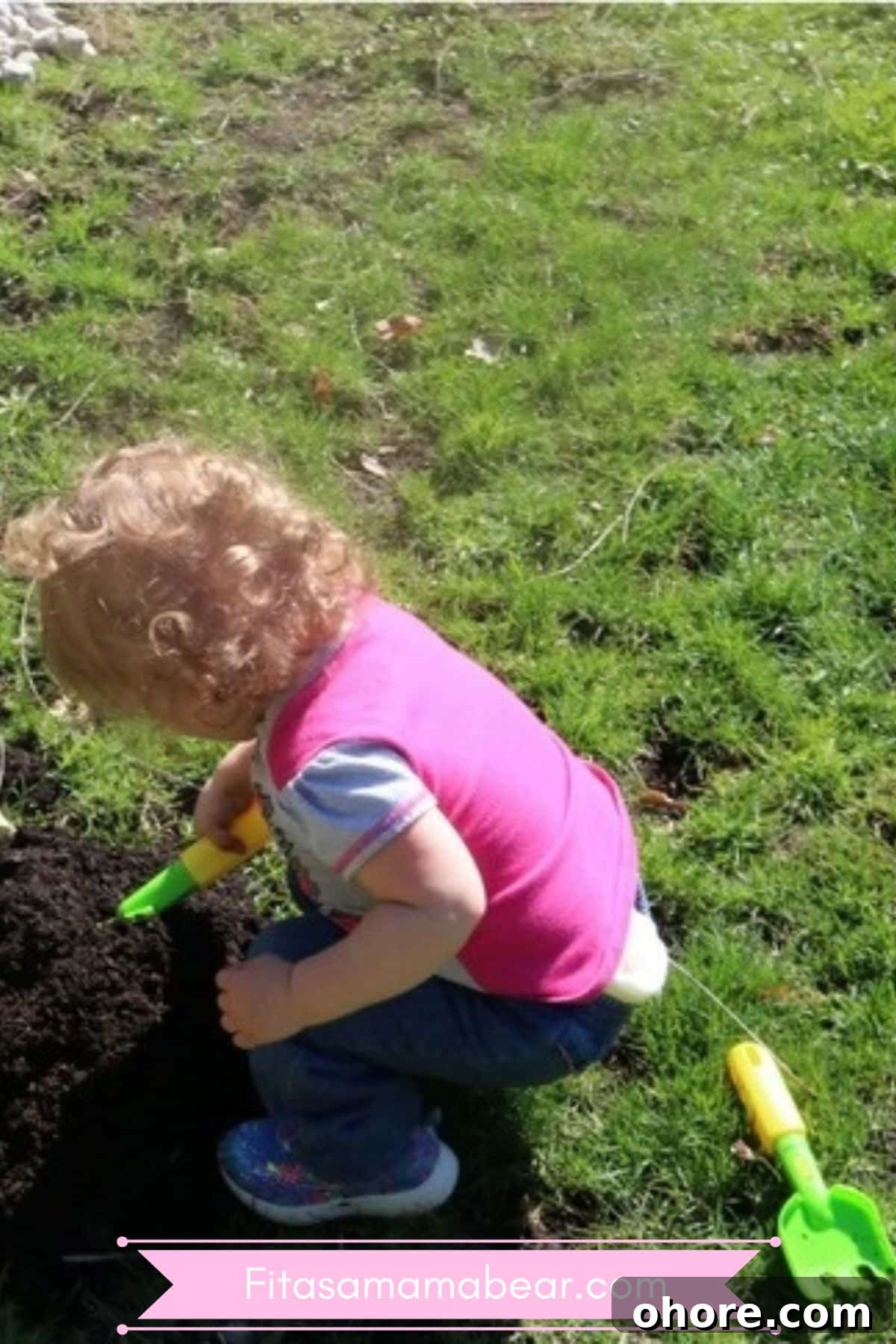
Outdoor play is one of the best health boosters: it supports the immune system, improves mood, burns energy and helps regulation. Simple outdoor ideas include visiting parks and splash pads, bike or scooter rides, bubbles, scavenger hunts, hula hoops, freeze tag, gardening and exploring nature. Even in colder weather, regular outdoor time yields big benefits.
How To Boost Kids’ Immune System
Children are exposed to many common bugs, especially in early years. There are practical steps parents can take to support immune health so illnesses are less severe and recovery is faster.
Food and Gut Health
Quality food is the foundation of a strong immune system. Reduce sugar, prioritize colorful fruits and vegetables, include probiotic foods or supplements, enjoy fermented products like sauerkraut or kimchi when possible, and use nutrient-rich bone broth to support gut lining and resilience. A healthy gut helps regulate immune responses, so nourishing gut flora through probiotics and fermented foods matters.
If making bone broth is challenging, shelf-stable options like bone broth powders can be a convenient alternative. Natural remedies such as elderberry syrup and nutrient-dense gummies can also provide additional support during cold and cough seasons.
Let Kids Get Dirty
Early exposure to outdoor microbes helps build immunity. Allowing children to play in dirt, explore nature and interact with their environment supports antibody development. Overusing sanitizers and preventing normal exposure can limit the immune system’s ability to adapt, so balance hygiene with real-world play.

In short, the pillars of raising healthy children are straightforward: focus on quality food, reduce sugar, encourage frequent physical activity (especially outdoors), support gut health and allow children to explore their world. Small, consistent steps add up—aim for progress, not perfection.
Save these tips for raising healthy children and come back when you need a reminder!