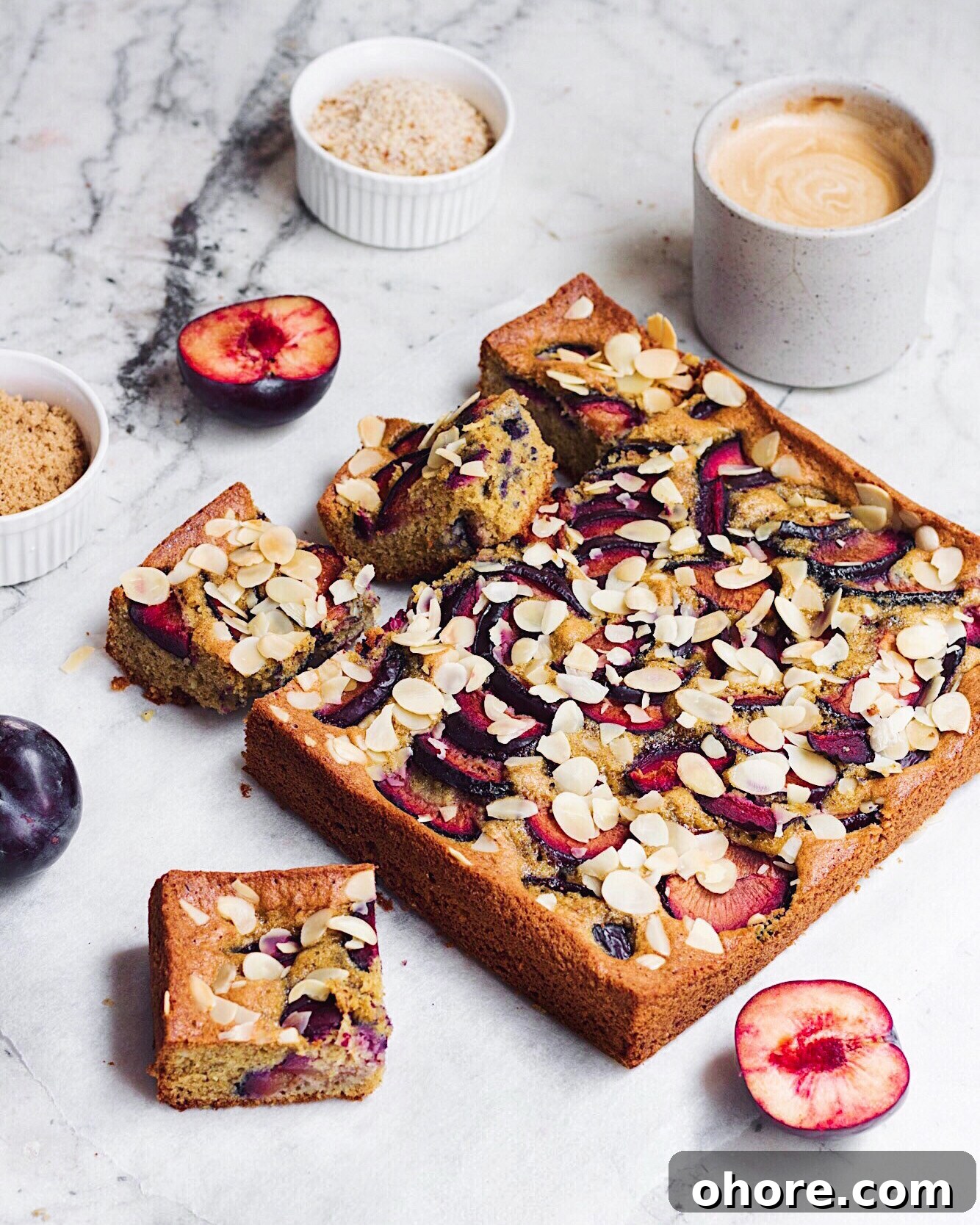
http://https://www.youtube.com/watch?v=Jto8ZinC0eM
One of the most common questions I receive is whether there are reliable egg substitutes for recipes. Of all the ingredients, eggs cause the most concern. While I always recommend using the original ingredients when possible, many people avoid eggs for health, cultural, or dietary reasons — and that shouldn’t prevent you from baking and enjoying desserts.
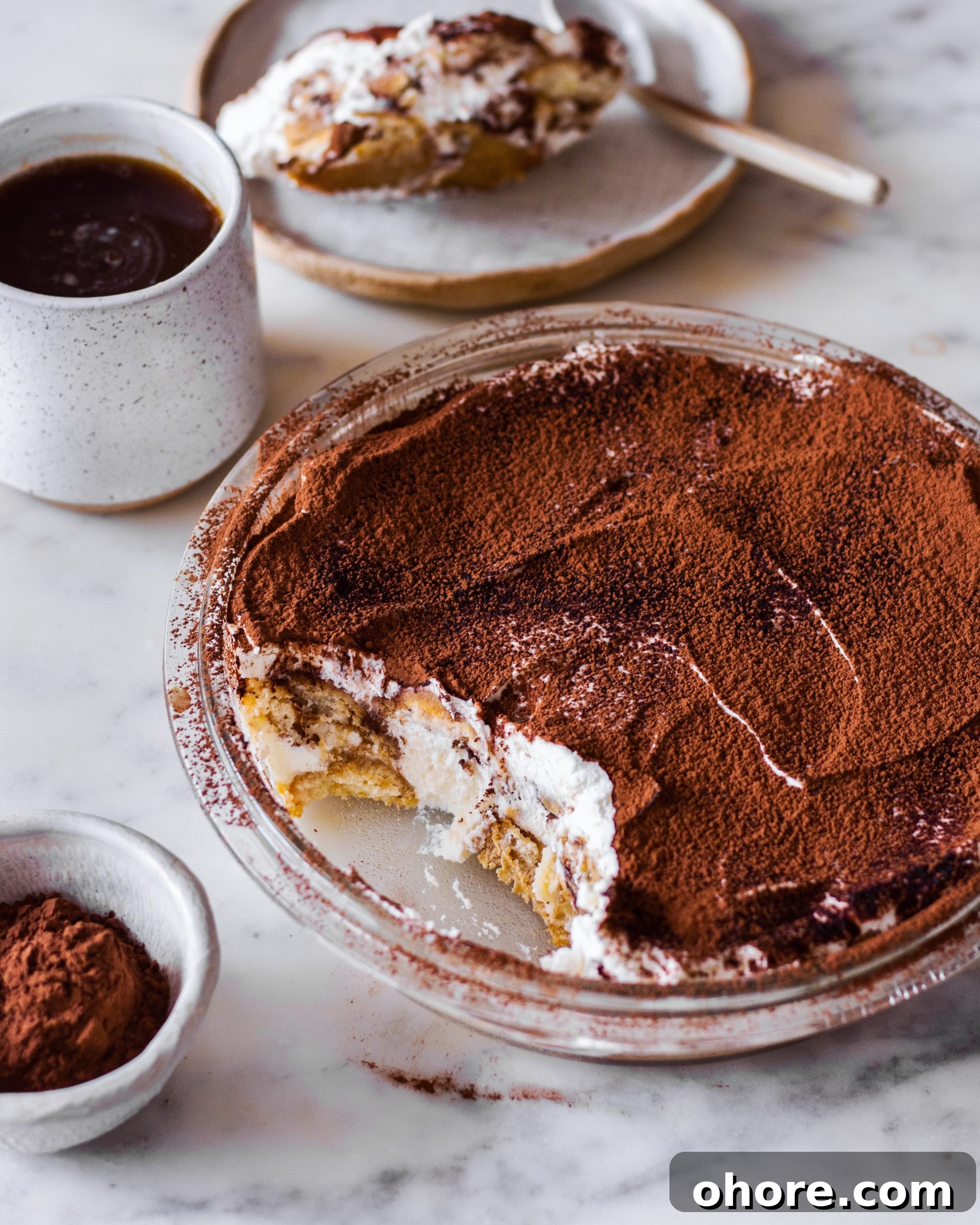
To be inclusive, I’ve developed a range of eggless recipes such as Eggless Banana Coconut Cake, Eggless Pistachio Cake, Eggless Tiramisu, and Eggless Mango Mousse. These desserts deliver the same satisfaction and texture you expect from egg-containing recipes while being fully egg-free.
Processed with VSCO with 10 preset
Why are eggs used in recipes?
Eggs are widely used in baking because of their versatility. They act as binders, leavening agents, and thickeners and help create structure in cakes, cookies, and many other desserts. Because the role of an egg differs depending on the recipe, selecting the right substitute is essential to achieve the desired texture, rise, and flavor.
Why use egg substitutes?
It’s unfair that one ingredient should limit what you can eat. The goal here is to present a variety of effective egg substitutes so you can enjoy your favorite baked goods without compromise. Before listing substitutes, it’s important to know how much to use to replace one egg — this keeps the balance of ingredients and preserves texture and flavor. Egg substitutes can be straightforward once you understand which option suits each type of recipe.
The rule of “4”
As a general guideline, many egg substitutes work well at about 1/4 cup (4 tablespoons) per egg. For some substitutes the volume is measured differently — the intent is to match the moisture and binding properties eggs normally provide. Certain options suit specific recipes better, so experiment to find what yields the best taste and texture for your baking.
Best egg substitutes
Below are six dependable egg substitutes that are easy to use and consistently successful in baking.
Bananas
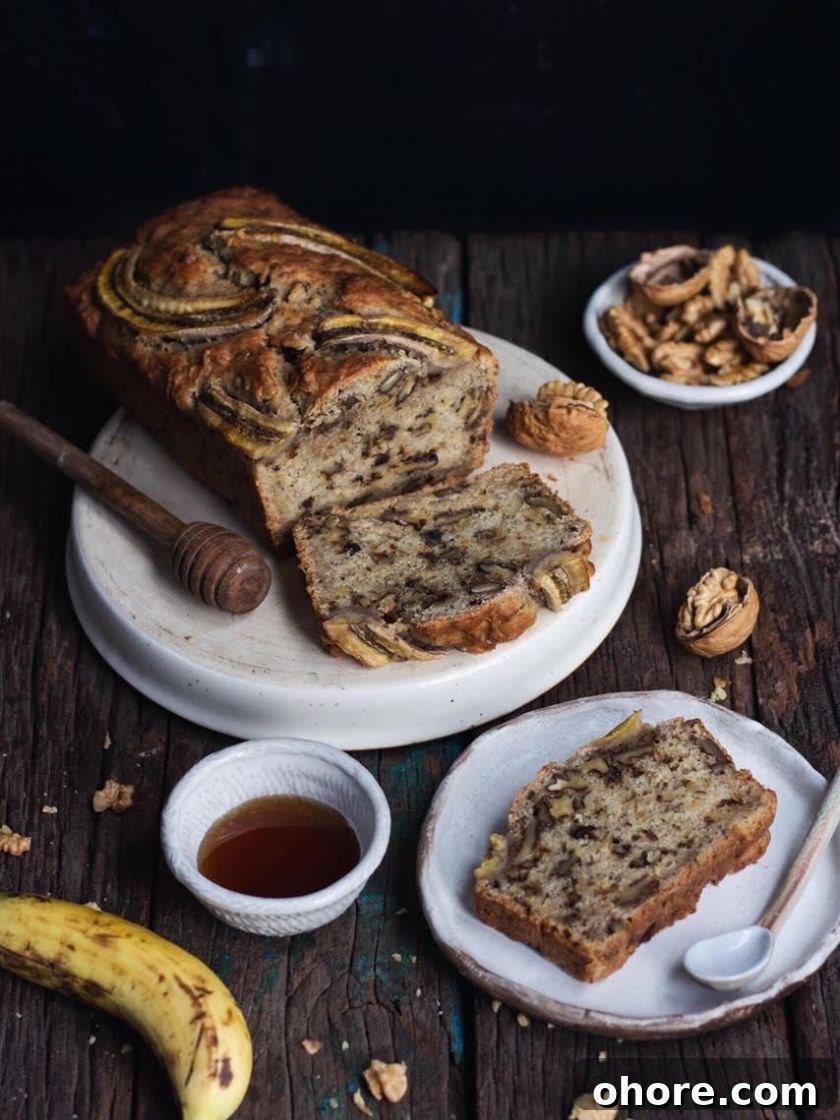
Mashed ripe bananas are a popular egg replacement. Use 1/4 cup of mashed banana to replace one egg. Bananas add moisture, structure, and natural sweetness, making them ideal in pancakes, muffins, quick breads, and brownies. Keep in mind their flavor is noticeable, so choose recipes where a banana note complements the other ingredients. Darker bananas yield stronger flavor and better sweetness.
Yogurt
Thick yogurt is an excellent egg substitute, especially in sponge cakes and other baked goods that benefit from added fat and moisture. Use 1/4 cup yogurt to replace one egg. If your yogurt is loose, strain it to remove excess whey; if it’s only slightly watery, you can use it as is. Yogurt helps make bakes tender and rich.
Yogurt tip
For extra lift, add a pinch of baking soda to the yogurt and let the mixture sit 5–10 minutes. The reaction creates bubbles that improve rise and lightness.
Sour cream tip
Sour cream can substitute yogurt in the same proportion (1/4 cup per egg). Because it has a higher fat content, it produces very moist, rich results.
Buttermilk tip
Buttermilk (or milk mixed with a little vinegar or lemon juice) works well in pancakes and waffles. It adds acidity and moisture that mimic some of the functions of egg.
Condensed milk
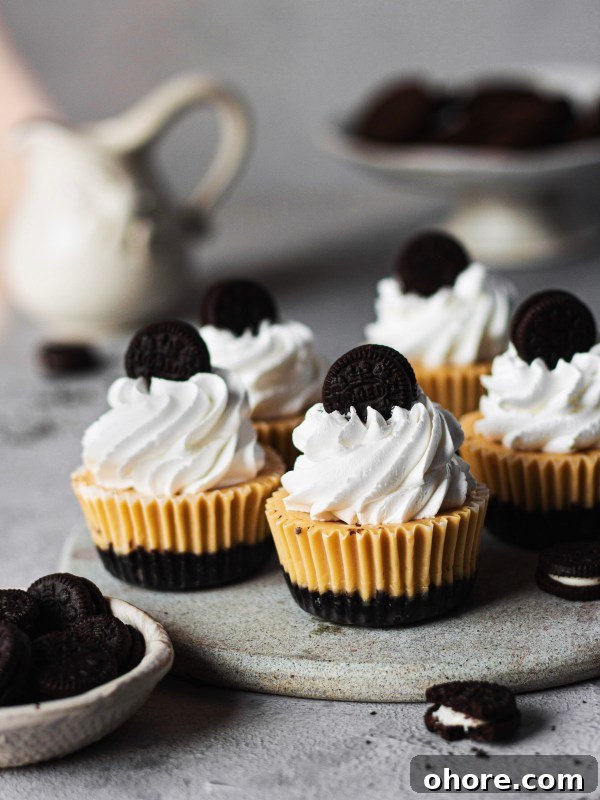
Sweetened condensed milk can replace one egg with 1/4 cup. It contributes moisture and structure but is sweet, so reduce other sugars in the recipe accordingly. Condensed milk is particularly useful in rich cakes, fillings, and certain custard-style desserts. A dairy-free sweetened condensed milk alternative is also available for vegan baking.
Flax egg
A flax egg is made by mixing ground flax meal and water. Combine 1 tablespoon ground flax meal with 3 tablespoons water and let it rest about 5 minutes until it forms a gel. Flax eggs add binding and a slightly nutty flavor while improving texture in quick breads, pancakes, muffins, and some cakes. If you only have whole flax seeds, grind them to make flax meal; freshly ground meal gives the best results.
Chia egg
Similar to flax, chia seeds form a gel when mixed with water. Use 1 tablespoon chia seeds with 3 tablespoons water to replace one egg. Chia eggs can take 5–10 minutes to thicken. They work well in brownies, cookies, and denser baked goods. Chia adds a slight texture and does not produce the same lightness as eggs in sponge cakes, so avoid it when you need very airy results.
Applesauce
Unsweetened applesauce is a mild, neutral-tasting egg substitute. Use 1/4 cup applesauce to replace one egg. If you use sweetened applesauce, reduce added sugar in the recipe. Homemade applesauce is easy: cook peeled, cored, diced apples with a little water until soft, then blend to a smooth consistency. Applesauce works well in muffins, quick breads, and cakes where extra moisture and a subtle fruit flavor are welcome.
If you want more eggless recipes and video tutorials, check out my YouTube channel for step-by-step guides and tips on using these substitutes successfully.