Disclaimer: This post contains affiliate links. As an Amazon Associate I earn from qualifying purchases.
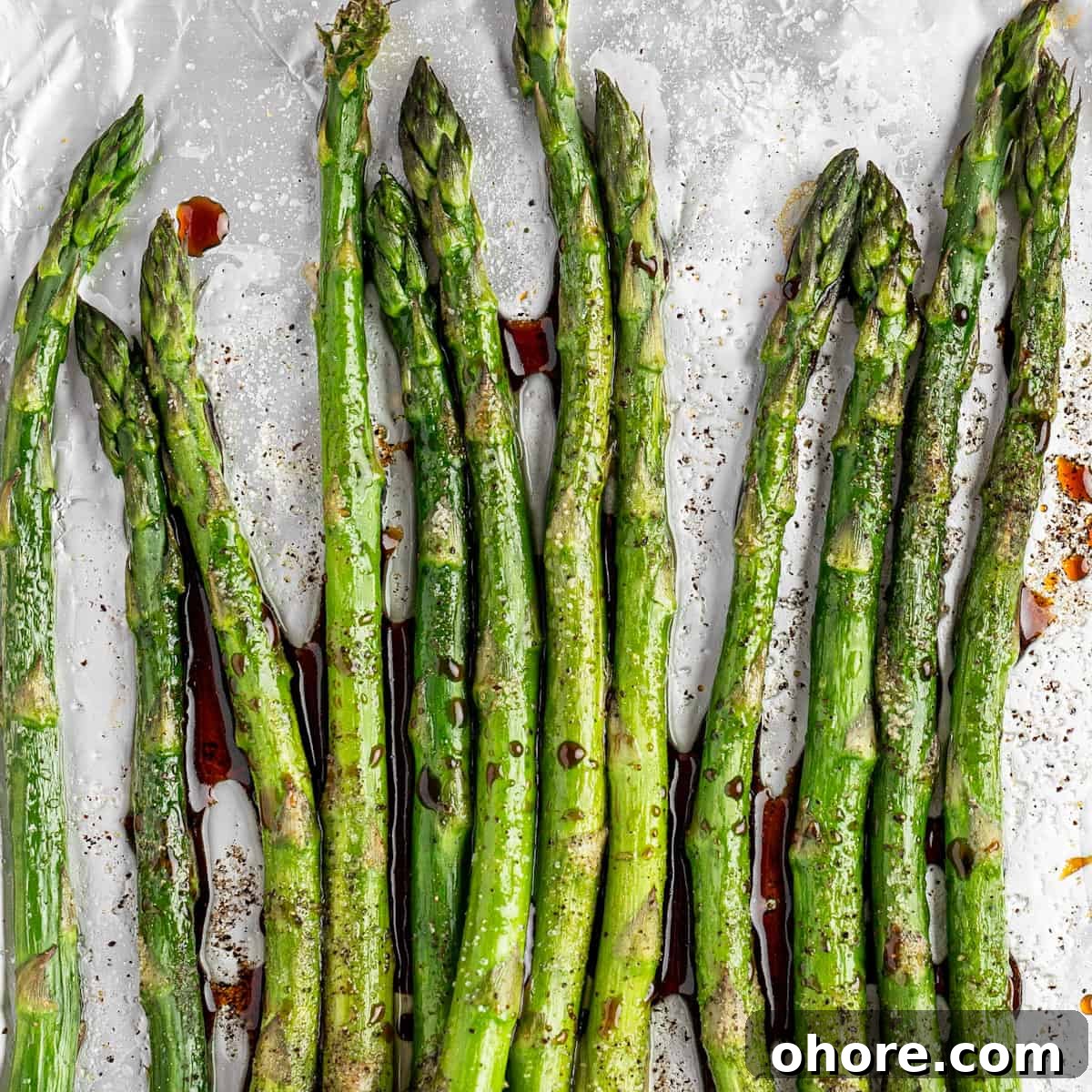
This balsamic-glazed asparagus is fast and simple to prepare. Tender roasted spears are finished with a thick balsamic reduction for a healthy, flavorful side.
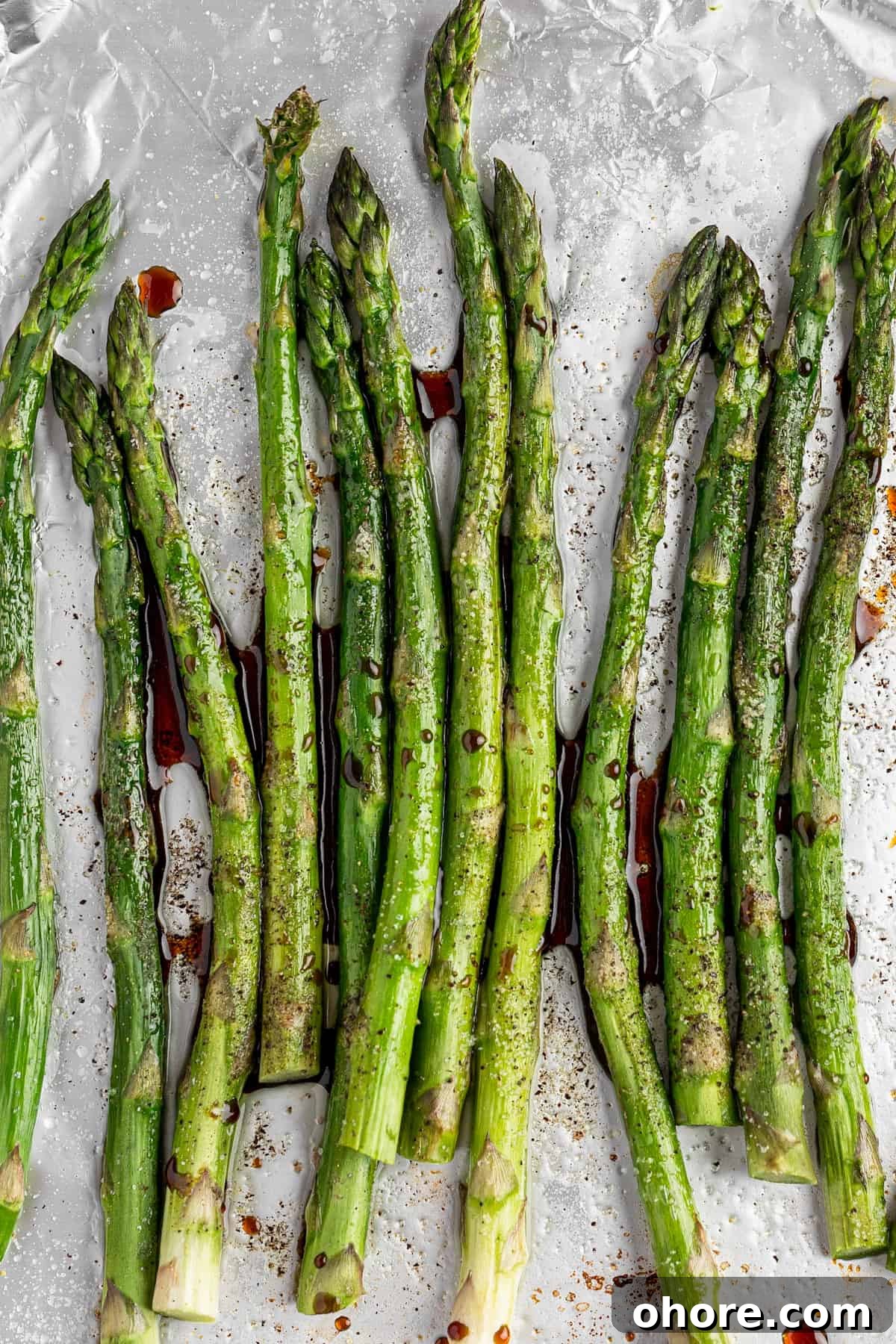
A balsamic reduction elevates asparagus with a sweet-tangy glaze. This reduction also pairs nicely with caprese salad and other roasted vegetables.
Recipe Highlights
- This balsamic asparagus is a tasty, healthy side dish.
- Ready in about 10 minutes of active time while your main cooks.
- Works well alongside almost any meal.
Ingredients
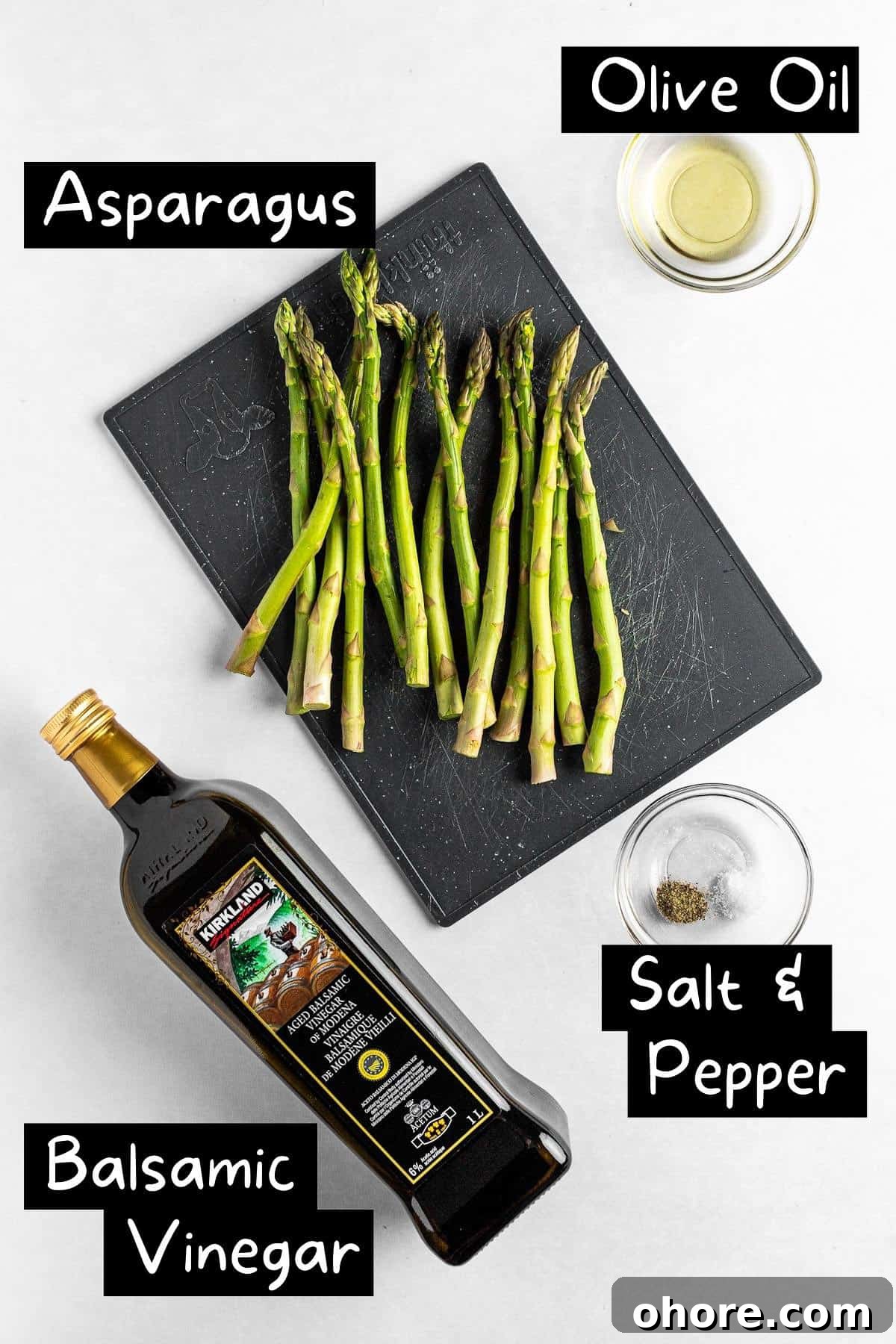
- Asparagus: Fresh spears. Use more if stalks are very thin so seasoning covers them.
- Balsamic vinegar: The vinegar defines the glaze, so choose a good-quality balsamic for the best flavor.
- Olive oil, salt & pepper: For seasoning before roasting.
Equipment
- Baking tray or sheet pan for roasting.
- Parchment paper or foil to line the tray for easy cleanup.
- Small saucepan to reduce the balsamic into a glaze.
Instructions
Step 1: Preheat the oven to 425°F (220°C). Line a baking tray with aluminum foil or parchment.
Step 2: Wash and dry the asparagus. Trim the woody ends.
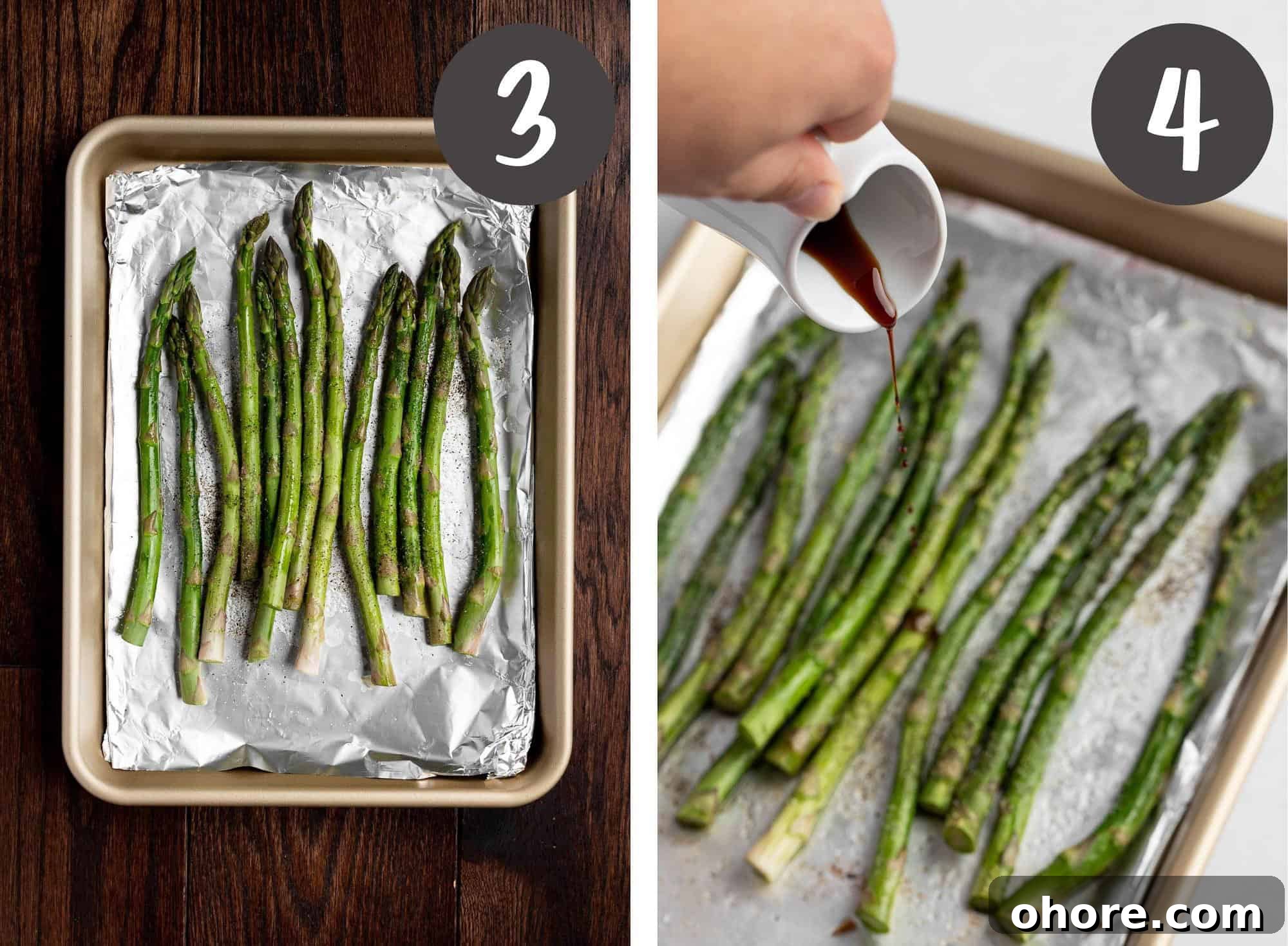
Step 3: Toss the spears with olive oil, salt and pepper. Arrange them in a single layer on the prepared tray and roast for 6 to 8 minutes, until tender but still slightly crisp.
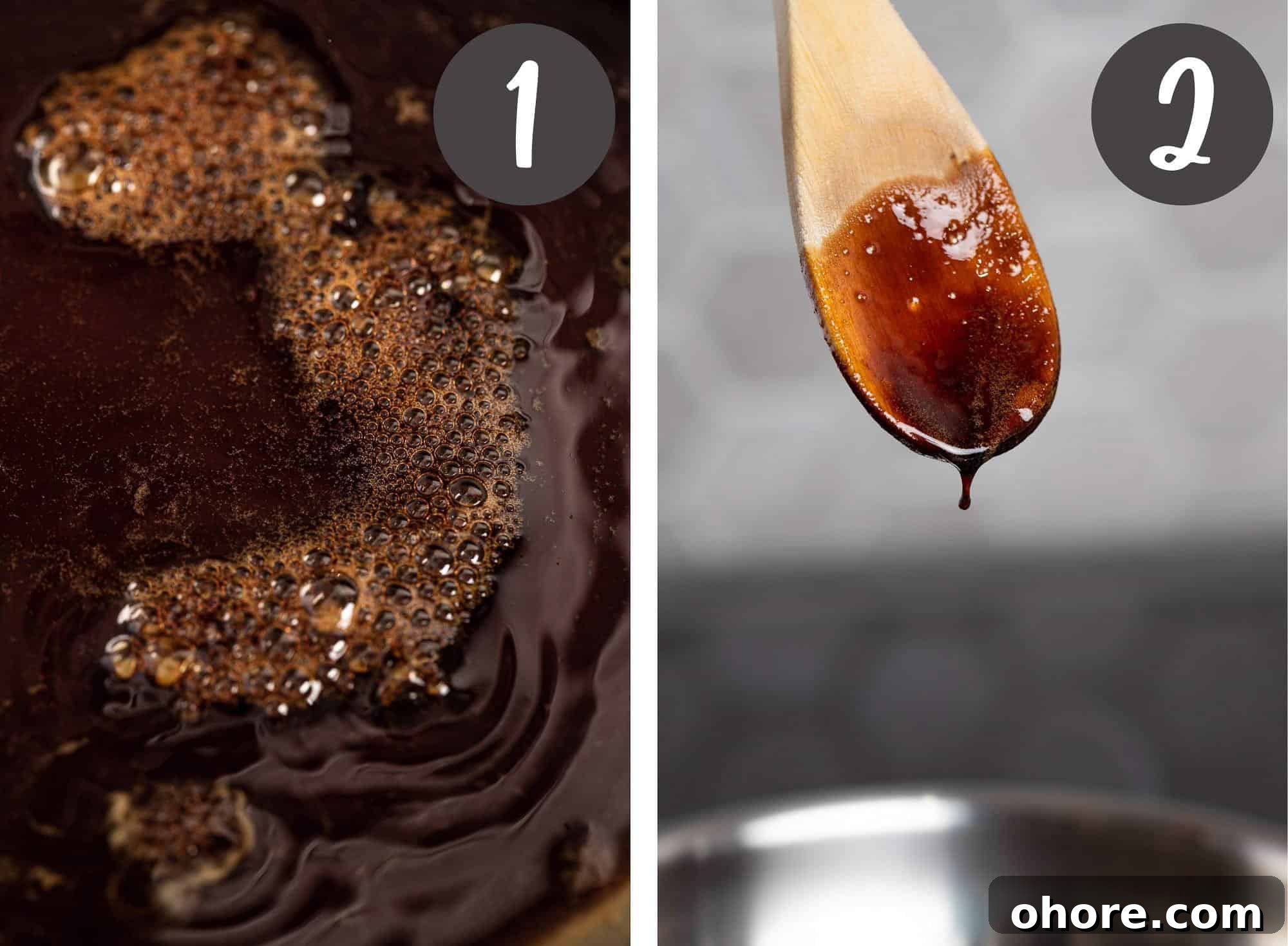
Step 4: While the asparagus roasts, pour the balsamic vinegar into a small saucepan. Bring to a low simmer over medium-high heat and reduce until the volume is about half and the vinegar coats the back of a spoon, about 5–10 minutes. Remove from heat and let cool slightly — it will thicken as it cools.
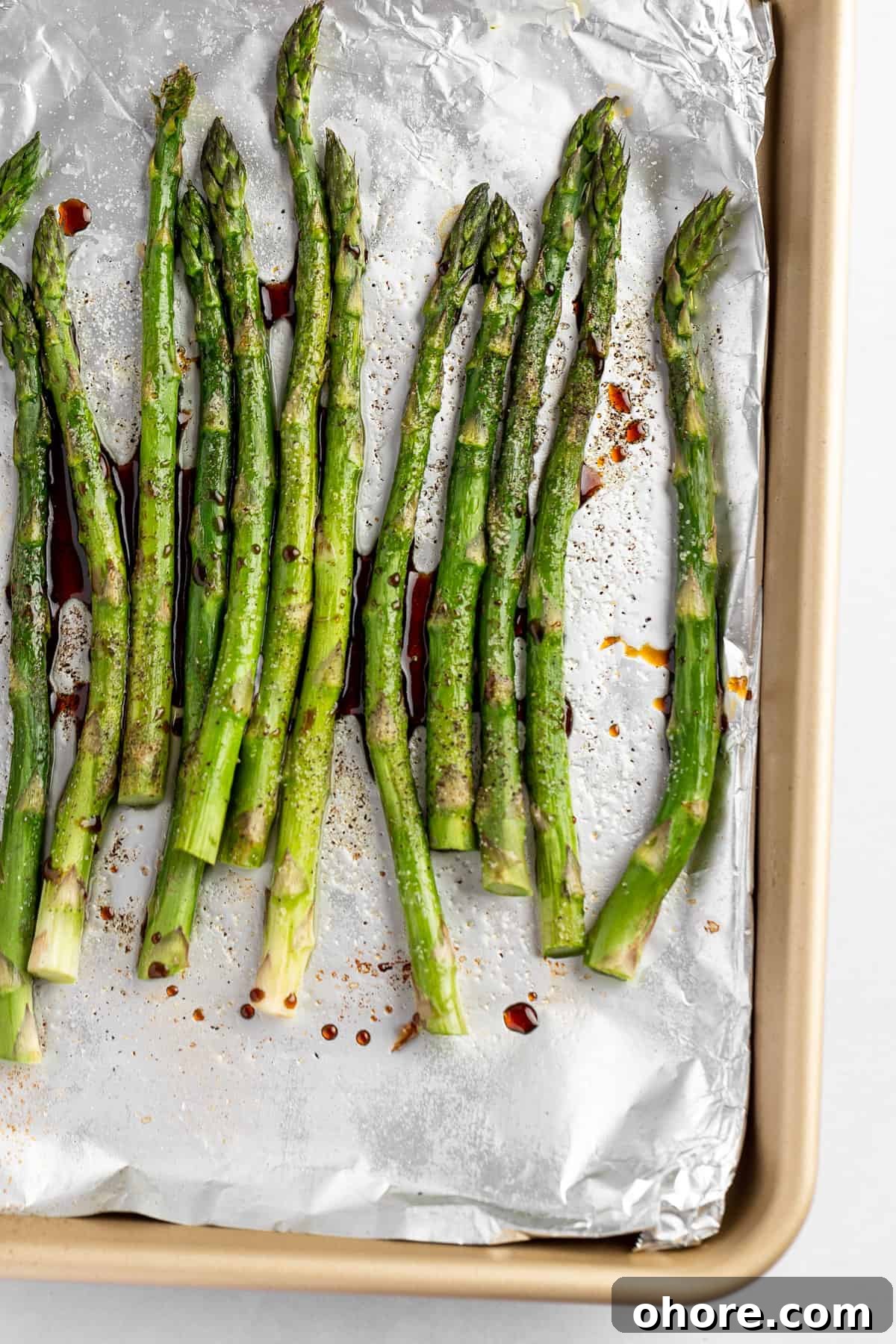
Step 5: Drizzle the warm balsamic glaze over the roasted asparagus and serve immediately.
Storage
- Roasted asparagus: Best served fresh, but leftovers keep in an airtight container in the refrigerator for up to 4 days.
- Balsamic glaze: Store in an airtight container at room temperature for a couple of days or in the refrigerator for up to a week. Warm gently before using if it becomes too thick.
Reheating
- Asparagus: Microwave for 20–30 seconds, or reheat in a skillet with a bit of olive oil over medium heat to restore crispness.
- Glaze: If very thick after chilling, let come to room temperature or warm for 5–15 seconds in the microwave to loosen it.
Expert Tips
- Wash the pan used for the glaze right away — cooled glaze becomes sticky and harder to clean.
- Remove asparagus from the hot tray when done to prevent carryover cooking.
- Thin spears cook faster; start checking a couple of minutes earlier.
- Asparagus is done when tender with a slight crunch. Overcooked asparagus becomes dull and stringy.
- Pour the glaze while it’s still slightly warm; it will thicken as it cools. If it solidifies, gently reheat until pourable.
Variations
The base recipe uses olive oil, salt and pepper, but you can customize with toppings and mix-ins:
- Breadcrumbs: Toasted panko for a crunchy finish.
- Nuts: Finely chopped toasted almonds, pecans, pistachios or walnuts add texture and flavor.
- Butter: Swap or combine olive oil with melted butter for a richer taste.
- Lemon: A squeeze of fresh lemon brightens the dish before serving.
- Cheese: Sprinkle grated Parmesan, Pecorino, feta or crumbled goat cheese before or after roasting.
- Herbs: Finish with fresh basil, parsley or chives for freshness.
FAQ
Chewy or stringy asparagus is usually a result of overcooking.
Store fresh asparagus upright in a jar with a couple inches of water at the base to keep the spears hydrated.
No — add the glaze only after roasting. If added before, the sugars can burn during roasting.
The glaze is lovely on roasted vegetables (Brussels sprouts, broccoli), pizza, salads like caprese, or as a finishing drizzle on cooked meats and grains.
📖 Recipe
Balsamic Glazed Asparagus
- Author: Ali
- Total Time: 15 minutes
- Yield: 2 servings
- Diet: Vegan
Description
This balsamic-glazed asparagus is quick and easy: roasted spears finished with a tangy, thick balsamic reduction for a healthy side dish.
Ingredients
- 12 asparagus spears
- 1 tbsp olive oil
- Salt & pepper to taste
- ½ cup balsamic vinegar
Instructions
- Preheat the oven to 425°F (220°C). Line a baking tray with foil or parchment.
- Trim the bottoms of the asparagus. Toss with olive oil, salt and pepper. Arrange in a single layer and roast 6–8 minutes until tender-crisp.
- While roasting, simmer the balsamic vinegar in a small saucepan until reduced by half and thick enough to coat a spoon, 5–10 minutes. Remove from heat and let cool slightly.
- Drizzle the warm glaze over the roasted asparagus and serve immediately.
Notes
- Storage: Leftover roasted asparagus keeps up to 4 days refrigerated in an airtight container. Store extra glaze separately for up to a week.
- The glaze will thicken as it cools. If necessary, gently reheat over low heat to loosen it before using.
- Prep Time: 5 minutes
- Cook Time: 10 minutes
- Category: Side Dish
- Method: Roasted
- Cuisine: American
Nutrition
- Serving Size: 1 serving
- Calories: 108
- Sugar: 6g
- Sodium: 20mg
- Fat: 7.2g
- Saturated Fat: 1g
- Carbohydrates: 9.2g
- Fiber: 1.8g
- Protein: 2.3g
- Cholesterol: 0mg