What is bread flour? How does it differ from all-purpose flour? I looked into it and found the primary difference is gluten.
Updated December 21, 2025 – Originally posted on September 21, 2009
When I first started making bread, the bread machine manual recommended using bread flour. That raised the question: what makes bread flour different from all-purpose flour? The answer comes down to gluten.
Gluten is a protein naturally present in wheat flour. Higher gluten content strengthens the dough, allowing it to trap the carbon dioxide produced by yeast. That trapped gas creates the structure and rise in bread.
If dough lacks sufficient strength, the gas escapes and the loaf will not rise as high. Bread flour is formulated with more gluten than most all-purpose flours, giving it greater elasticity and strength during fermentation and baking.
Typically, all-purpose flour contains about 9%–12% gluten, while bread flour generally ranges from 10%–13% gluten. Notice these ranges overlap.
If you already use all-purpose flour in your bread machine with good results, your particular brand likely falls near the higher end of that range.
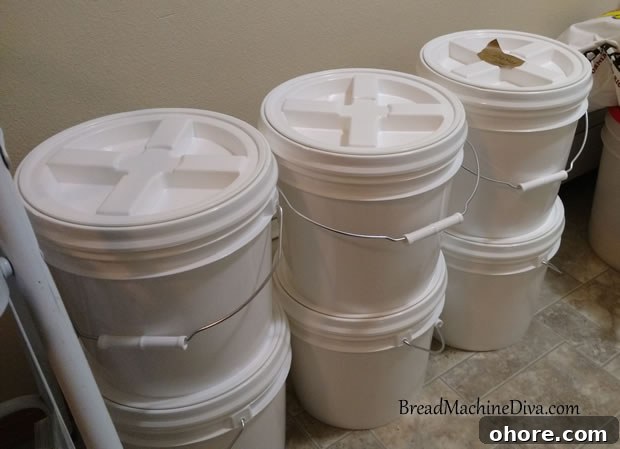
Storing a lot of flour is SO much easier with Gamma Lids!
I make most of the bread for our household using a bread machine. Because we use so much flour, buying in bulk and storing it properly matters. Using airtight containers and lids designed for long-term food storage keeps flour fresh and prevents pests.
What if You Only Have All-Purpose Flour?
Check the flour packaging or the manufacturer’s website to see the gluten or protein percentage. If the information isn’t available, test the flour by making an experimental loaf; the only likely downside is a loaf that doesn’t rise as tall.
You can use all-purpose flour in a bread machine even if its gluten content is lower—your bread may simply be less lofty than if you used bread flour.
Vital Wheat Gluten to the Rescue
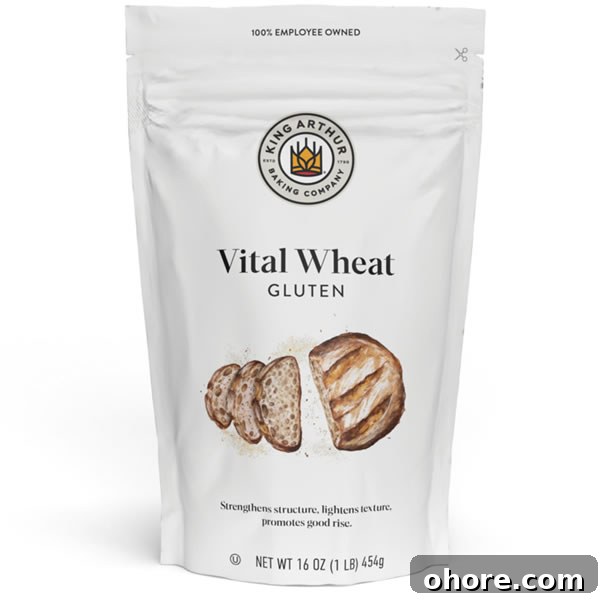
If your all-purpose flour lacks sufficient gluten, you can boost its strength with vital wheat gluten. Vital wheat gluten is concentrated gluten in powdered form and is sold in many grocery stores and online.
Add about one teaspoon of vital wheat gluten per cup of flour as a starting point. For example, add 4 teaspoons to 4 cups of flour. You may need to adjust slightly by trial and error. After adding vital wheat gluten, observe the dough during the initial kneading; you might need to add a small amount of extra liquid. If the loaf still falls short in rise, increase the gluten slightly on the next try.
Other Common Flours and Their Uses
Cake Flour has the lowest gluten content, around 5%–8%. It is often bleached, which slightly weakens starches and gluten and makes it ideal for tender cakes and delicate baked goods. Cake flour is not suitable for typical yeast bread.
Pastry Flour (sometimes called cookie flour) contains about 8%–9% gluten. It’s a good choice for pies, tarts, and many cookies, but not ideal for yeast bread. You can make a pastry-style substitute by mixing 1 1/3 cups all-purpose flour with 2/3 cup cake flour.
Self-Rising Flour includes added baking powder and salt and is used for quick breads, biscuits, muffins, and pancakes. To make your own, combine 1 cup all-purpose flour with 1 1/2 teaspoons baking powder and 1/4 teaspoon salt.
Whole-Wheat Flour (called wholemeal in some countries) is milled from the entire wheat kernel. It tends to be higher in protein but more challenging to form into strong gluten networks, so many whole-wheat recipes call for added vital wheat gluten or a blend with white flour to improve rise and texture.
Gluten-Free Flours are made from non-wheat sources such as almonds, buckwheat, sorghum, rice, and many others. Because they lack gluten, making traditional yeast breads with these flours requires alternative binding and leavening strategies; gluten-free baking is a different process and often yields a different texture than wheat-based bread.
In short, choose your flour based on the texture and rise you want: use bread flour for strong gluten and tall, chewy loaves; use all-purpose flour for general baking and loaves where a slightly lower rise is acceptable; and supplement lower-gluten flours with vital wheat gluten when you need extra strength.