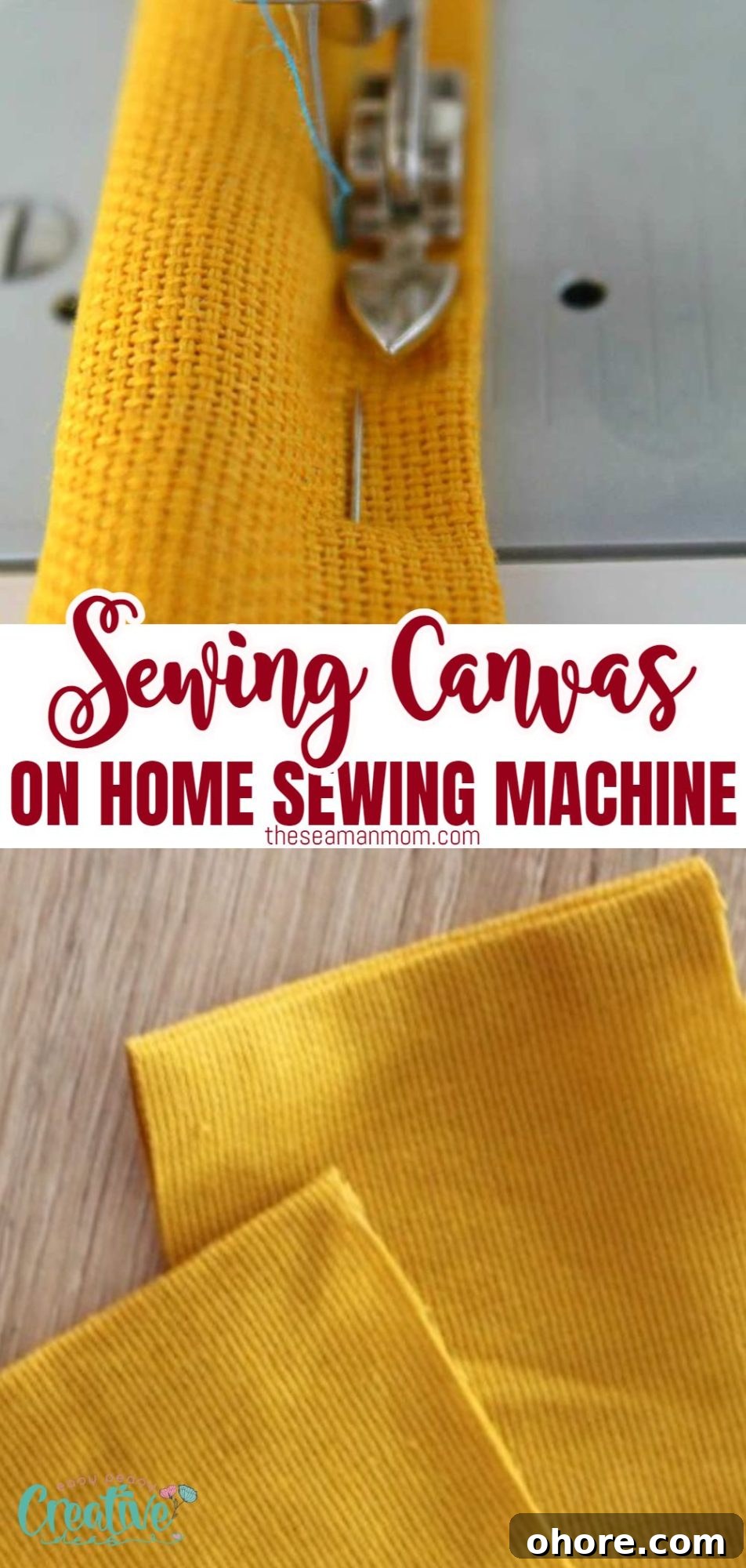
Discover practical, tested tips for sewing canvas successfully with a home sewing machine. These techniques will help you create durable, attractive projects for your home, wardrobe, and gifts.
Sewing canvas opens up many creative possibilities. This sturdy fabric is ideal for tote bags, cushions, upholstery accents and many other projects because it’s durable, easy to clean, and long-lasting. With the right approach and a few adjustments to your machine and supplies, you can sew canvas with confidence on a standard home sewing machine.
Below you’ll find clear, practical guidance on working with canvas: what it is, essential tools and materials, machine settings, and finishing tips that help your projects look professional while avoiding common frustrations.
What is canvas material?
Canvas is a heavy, tightly woven fabric designed for strength and durability. It’s commonly used for bags, home décor, outdoor gear and upholstery. Depending on its weight, canvas can be used for garments as well as accessories. Because canvas is thicker than typical apparel fabrics, it benefits from slightly different handling, tools and machine settings.
If you’re new to sewing canvas, take time to prepare: test settings on scrap pieces, choose appropriate needles and thread, and adjust machine pressure and tension as needed. These steps will save time and prevent broken needles, skipped stitches or puckering.
Tips and tricks for sewing canvas
Materials needed:
- Canvas fabric (choose weight appropriate for your project)
- Sewing machine (a heavy duty model helps, but a well-adjusted home machine will usually work)
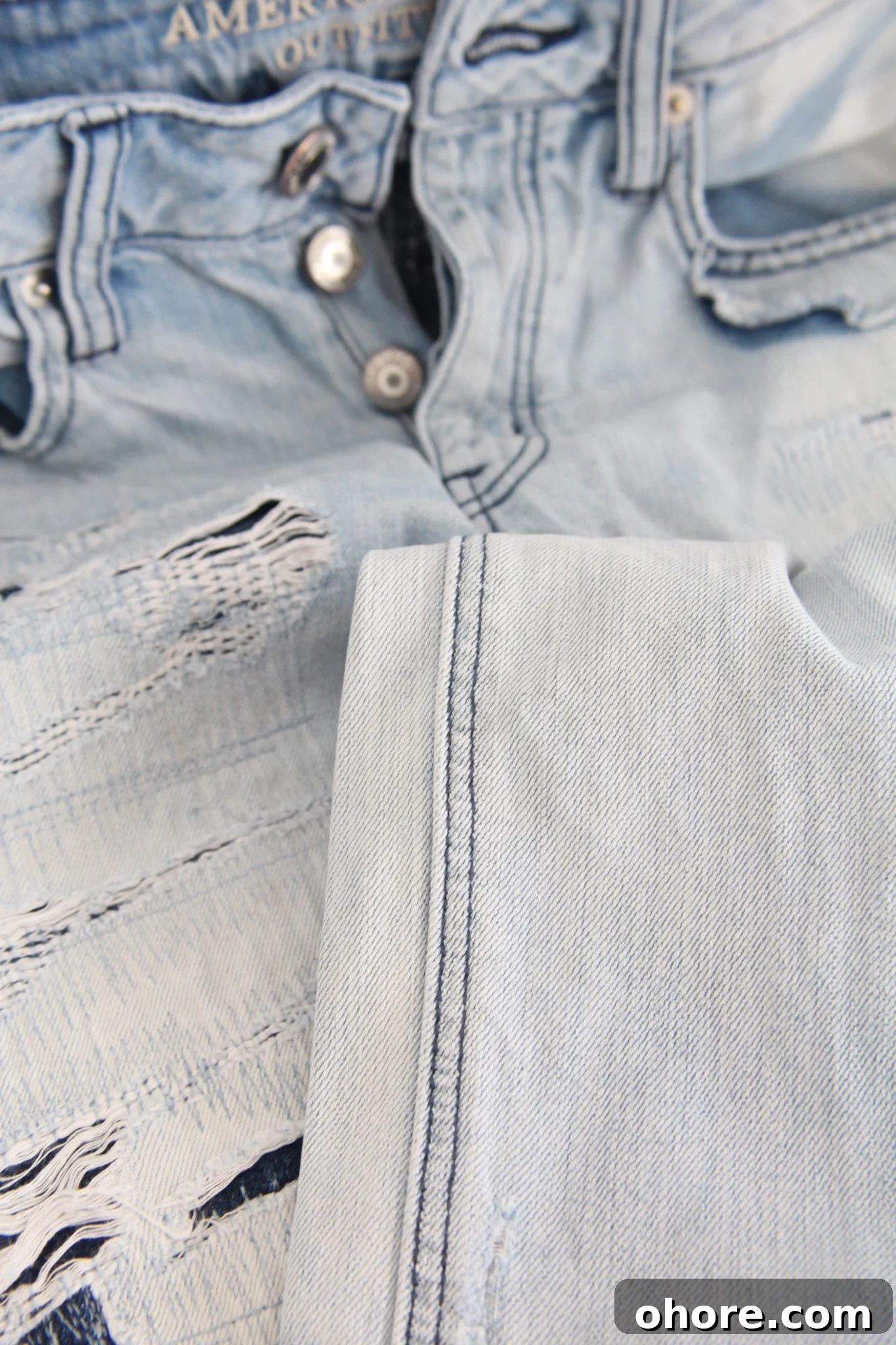
- Denim/jeans needles
- Heavy-duty thread (jeans, polyester-wrapped or upholstery thread)
- Sharp scissors or rotary cutter
- Walking foot (optional but helpful for even feeding)
How to sew canvas on a home sewing machine
Basic sewing techniques apply to canvas, but optimize your process with these key steps so your machine handles the fabric smoothly.
Prepping steps for sewing with a basic sewing machine
- Pre-wash canvas in warm water and air dry to reduce shrinkage and set dyes before cutting and sewing.
- Always test stitch on scrap canvas to dial in stitch length, needle size and tension before working on the actual piece.
- Consider a walking foot to help multiple or slippery layers feed evenly and reduce shifting or puckering.
Needle and thread tips
- Use a sturdy needle such as a 100/16 or 110/18 jeans/denim needle. Thinner needles will bend or break on heavy canvas.
- Choose heavy-duty thread—polyester, cotton-wrapped polyester or upholstery thread—for strength. Very thick upholstery threads may not run well in the bobbin of some home machines, so test first.
Machine adjustments
- Reduce presser foot pressure so thick fabric feeds more easily under the foot.
- If necessary, slightly loosen bobbin tension and adjust upper thread tension for balanced stitches when using heavy thread.
- Clean lint frequently—heavy thread can generate extra fibers that accumulate in the machine.
- Set a longer stitch length (around 3.0–3.5 mm) to make sewing through thick fabric and layered seams easier and neater.
Using clips and interfacing
- Use sewing clips or tape instead of pins when working with several layers or stiff interfacing; pins can be hard to push through thick canvas and can distort layers.
- If you add a stiff interfacing, apply it only up to the seam allowance where possible so your needle only pierces two layers at the seam, reducing bulk.
Additional sewing canvas tips
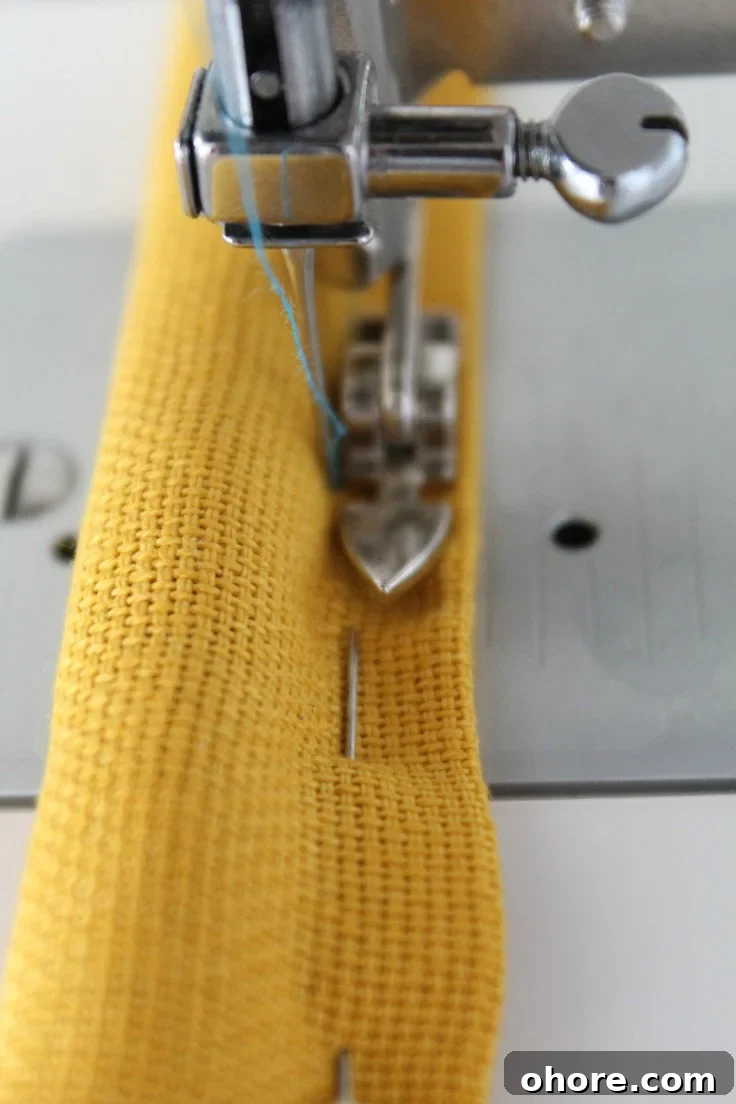
- Sew slowly over bulky areas; sometimes turn the handwheel to guide the needle through thick spots and avoid skipped stitches.
- Don’t stretch the fabric while stitching—let it feed naturally under the presser foot to prevent distortion.
- Backstitching can be hard on canvas. If your machine struggles, reinforce the seam by sewing a second pass forward rather than backstitching.
- To iron canvas, spritz with water, let it soak briefly, then press at a suitable heat while moving the iron often to avoid scorching.
- Store unused canvas rolled rather than folded to prevent deep creases that are difficult to remove.
Finishing touches for canvas projects
Topstitch seams for a polished, professional appearance and extra strength. Add labels with care instructions, and consider embellishments like buttons, embroidery or appliqué for a unique look. Edge finishes such as zigzag or overcast stitches will prevent fraying; use a serger if available or a zigzag on a regular machine.
Q&A about sewing canvas you might find useful
Can a regular sewing machine sew canvas?
Yes. A home sewing machine can sew canvas when you use the correct needle, thread, stitch length, and adjust presser foot pressure and tension. Test settings on scraps to ensure smooth results.
Can you hand sew canvas?
Hand sewing canvas is possible for small repairs or details. Use a strong thread (upholstery or doubled heavy cotton), a large needle and a thimble. Backstitch or secure with reinforcing stitches for durability.
What thread should I use for canvas sewing?
Use heavy-duty threads such as polyester, cotton-wrapped polyester, or upholstery thread to prevent breakage and provide strength for seams and topstitching.
What is the best sewing machine for sewing on canvas?
A heavy-duty sewing machine makes thick canvas tasks easier, but a standard home machine works fine if correctly prepared. If you sew canvas frequently or need to stitch many layers, consider a machine built for heavier work.
Does canvas fabric fray a lot?
Yes—canvas can fray along cut edges. Finish raw edges with a zigzag, overcast or serger stitch, or use binding where appropriate.
How to cut canvas material?
Use very sharp scissors or a rotary cutter for clean edges. Heavy-duty shears designed for thick fabrics will make cutting straighter, smoother lines easier.
How to square up canvas fabric?
Canvas can distort when cut. Find the warp and weft and square the fabric by trimming straight reference edges before laying out patterns or cutting pieces.
What projects can I sew with canvas?
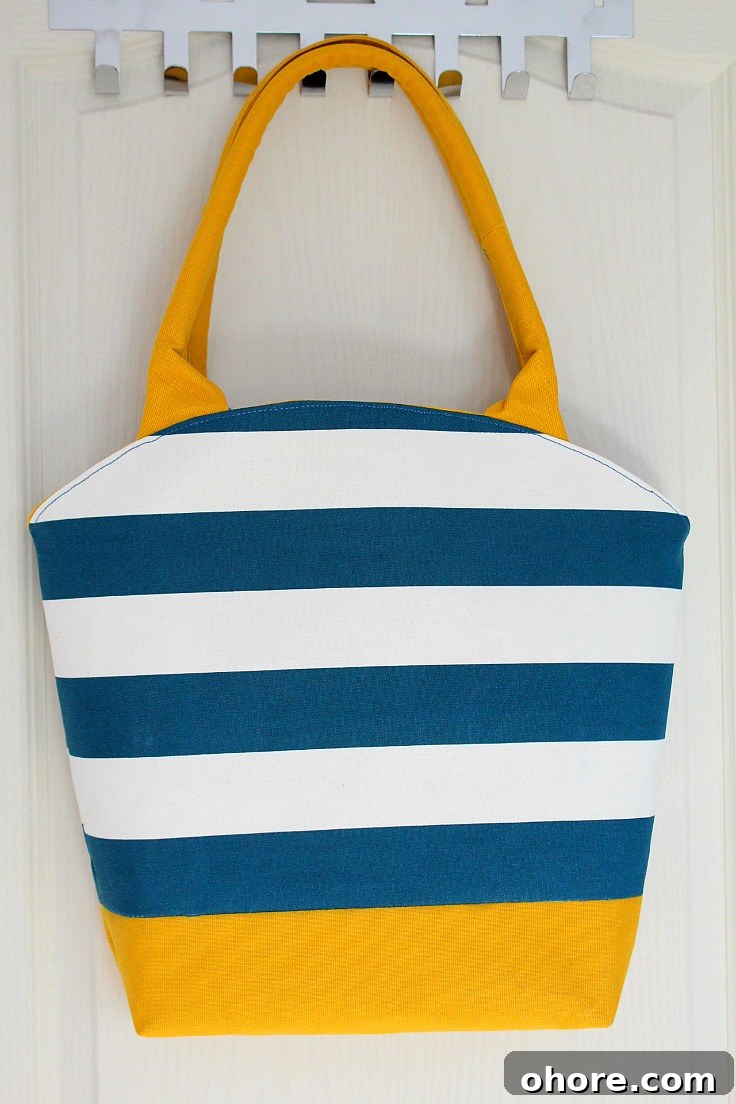
Canvas suits a wide range of projects: bags, backpacks, outdoor gear, boat covers, slipcovers, curtains, cushions, upholstery, and even garments like jackets or sturdy skirts when using medium-weight canvas.
What types of stitches can I use on canvas?
Start with a straight stitch for seams; zigzag or overcast stitches prevent fraying. Decorative stitches and binding can be used for finishing depending on the design.
What seam is best for canvas?
Flat-felled seams are ideal for strength and a tidy finish. Double topstitched seams or French seams are also good options depending on the project and desired appearance.
More sewing ideas you will love:
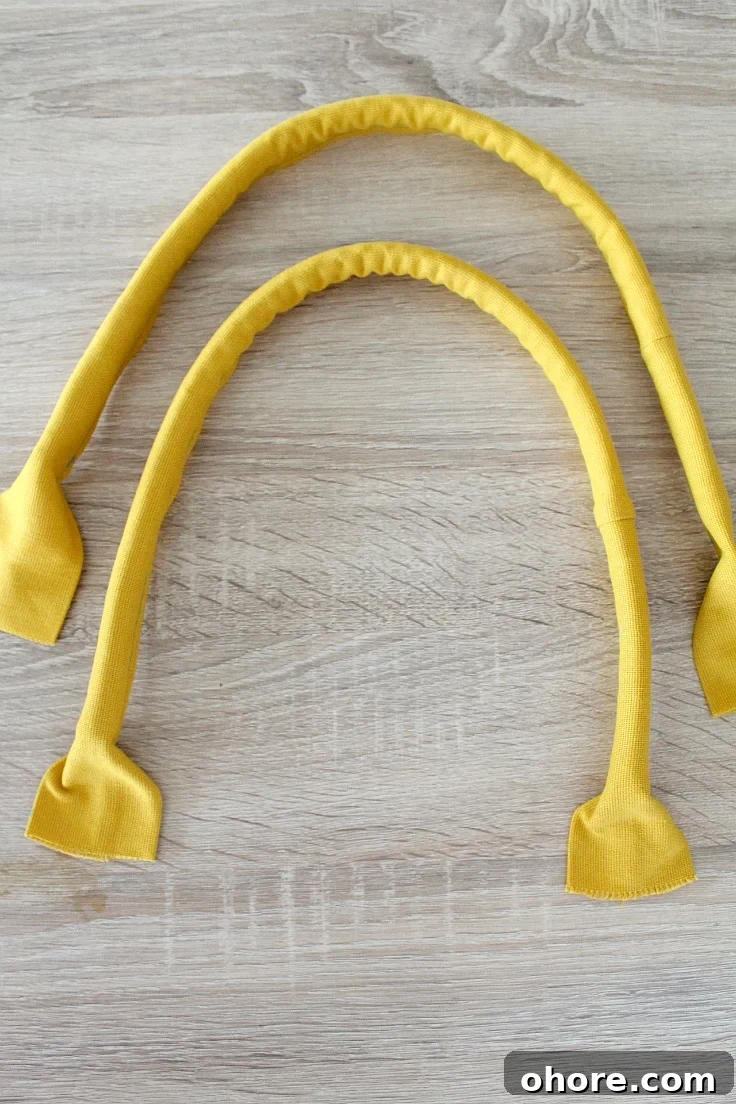
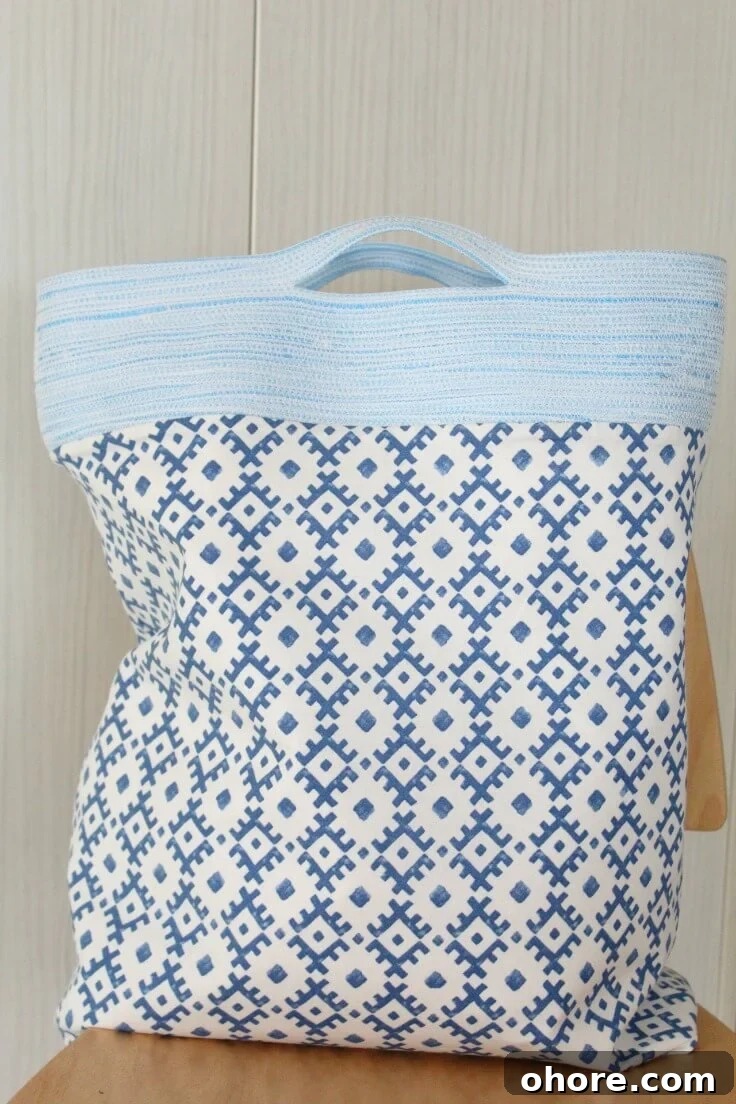
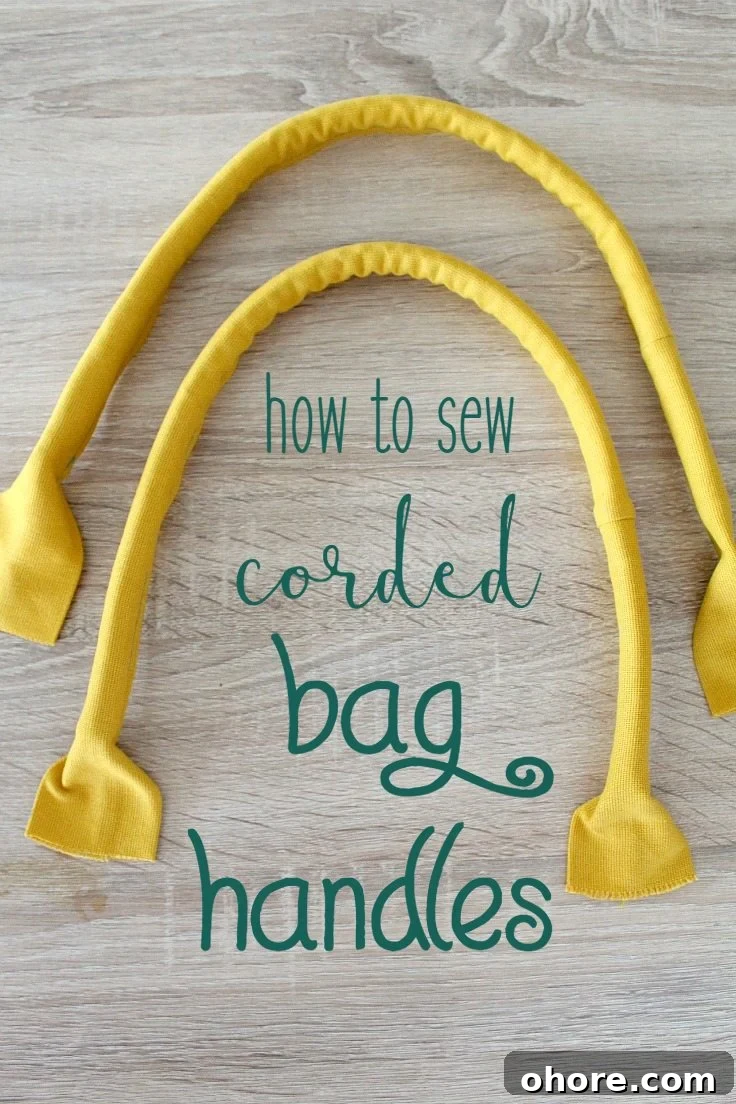
- How to make corded bag handles
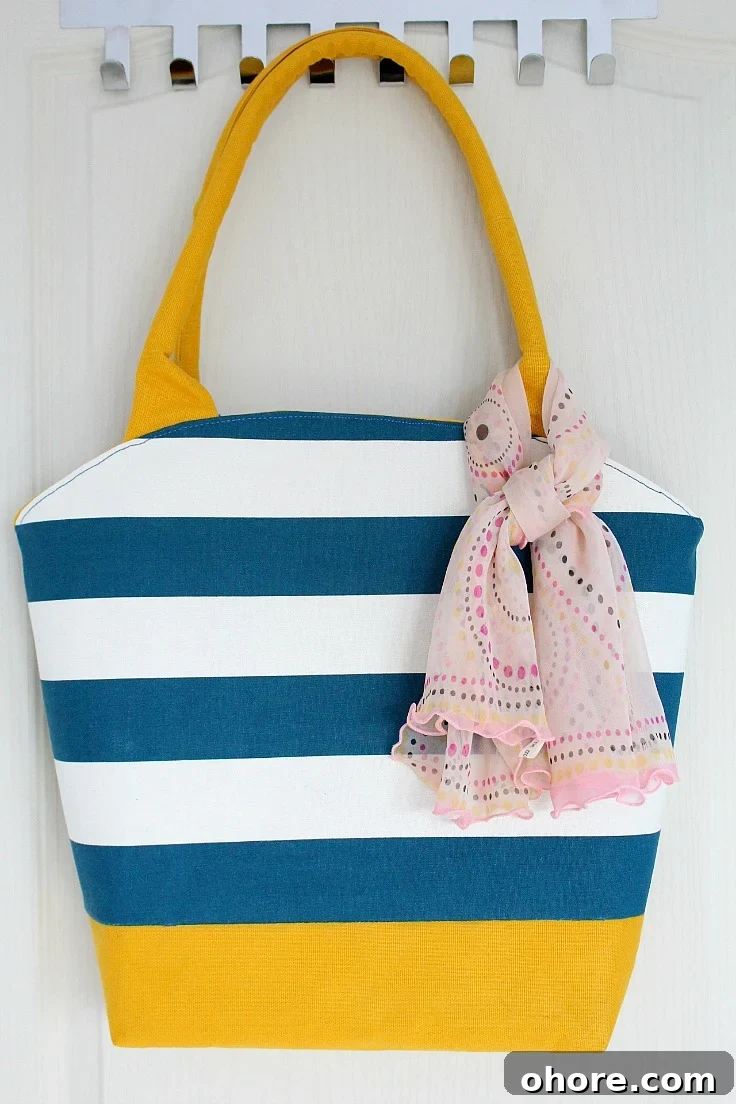
- Rounded top canvas bag sewing pattern
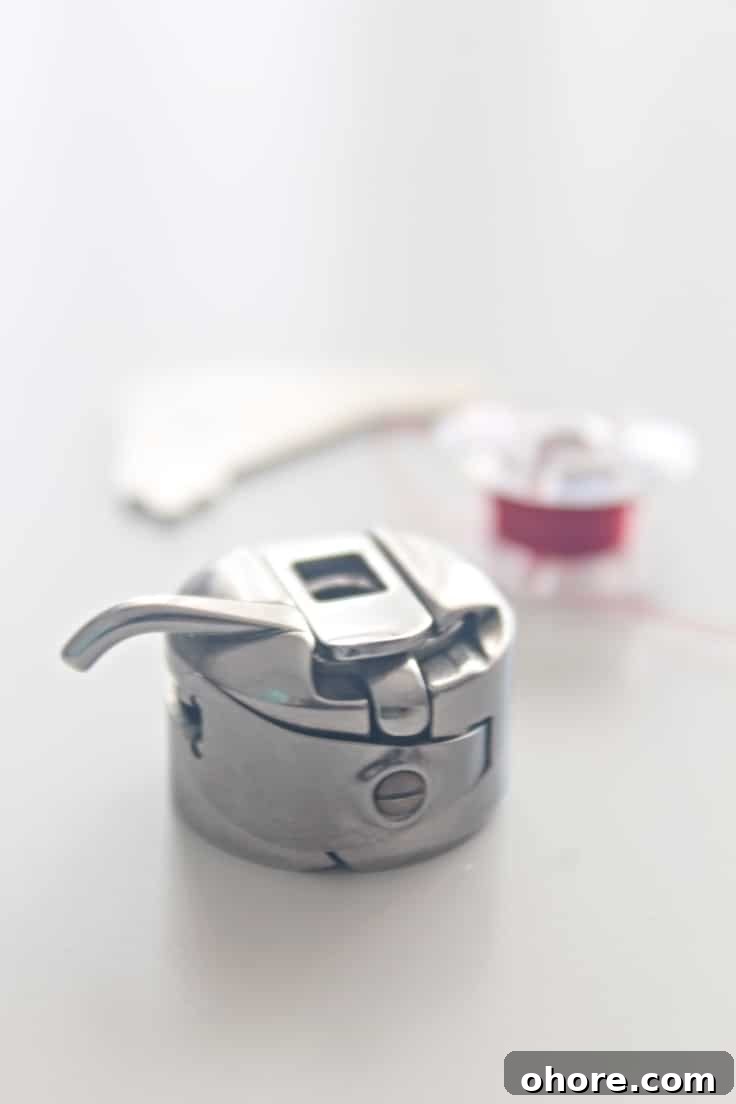
- How to adjust bobbin tension
- Reversible canvas tote bag tutorial
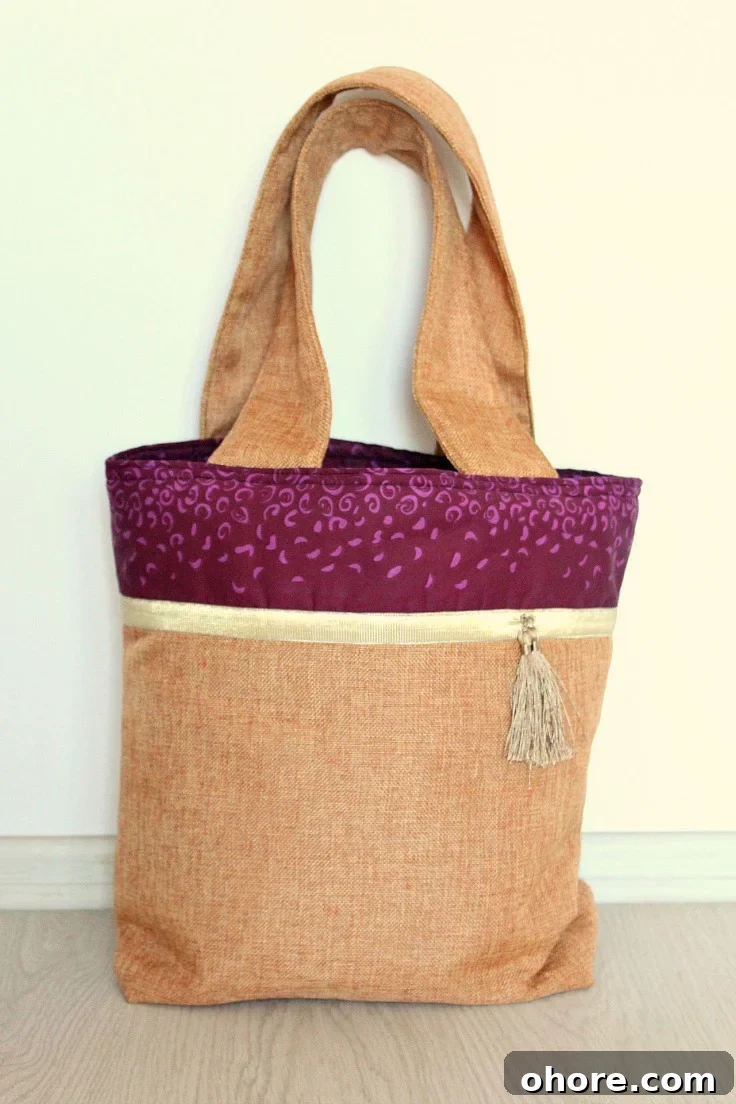
- How to sew a two-toned burlap tote bag
- How to sew a flat-felled seam
Sewing canvas can be both rewarding and challenging. By following these tips—prepping fabric, choosing proper needles and thread, adjusting machine settings, and finishing seams carefully—you’ll be able to tackle more complex canvas projects with confidence. Practice on scraps, take your time around bulky areas, and gradually build your skills.
I hope these straightforward tips help you create something great. If you try a canvas project and want to share how it turned out, leave a comment or note about your experience. Happy sewing!
Most popular sewing projects:
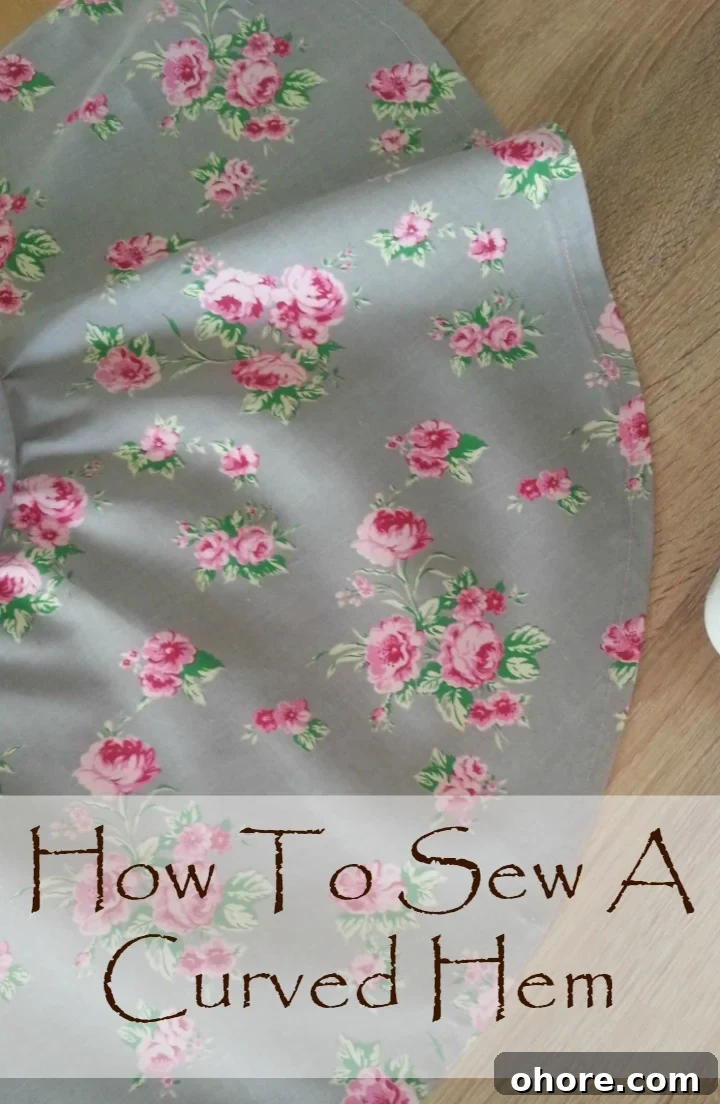
- Tips for sewing a round hem
- Corded bag handles
- Flutter sleeve dress pattern
- How to laminate cotton fabric