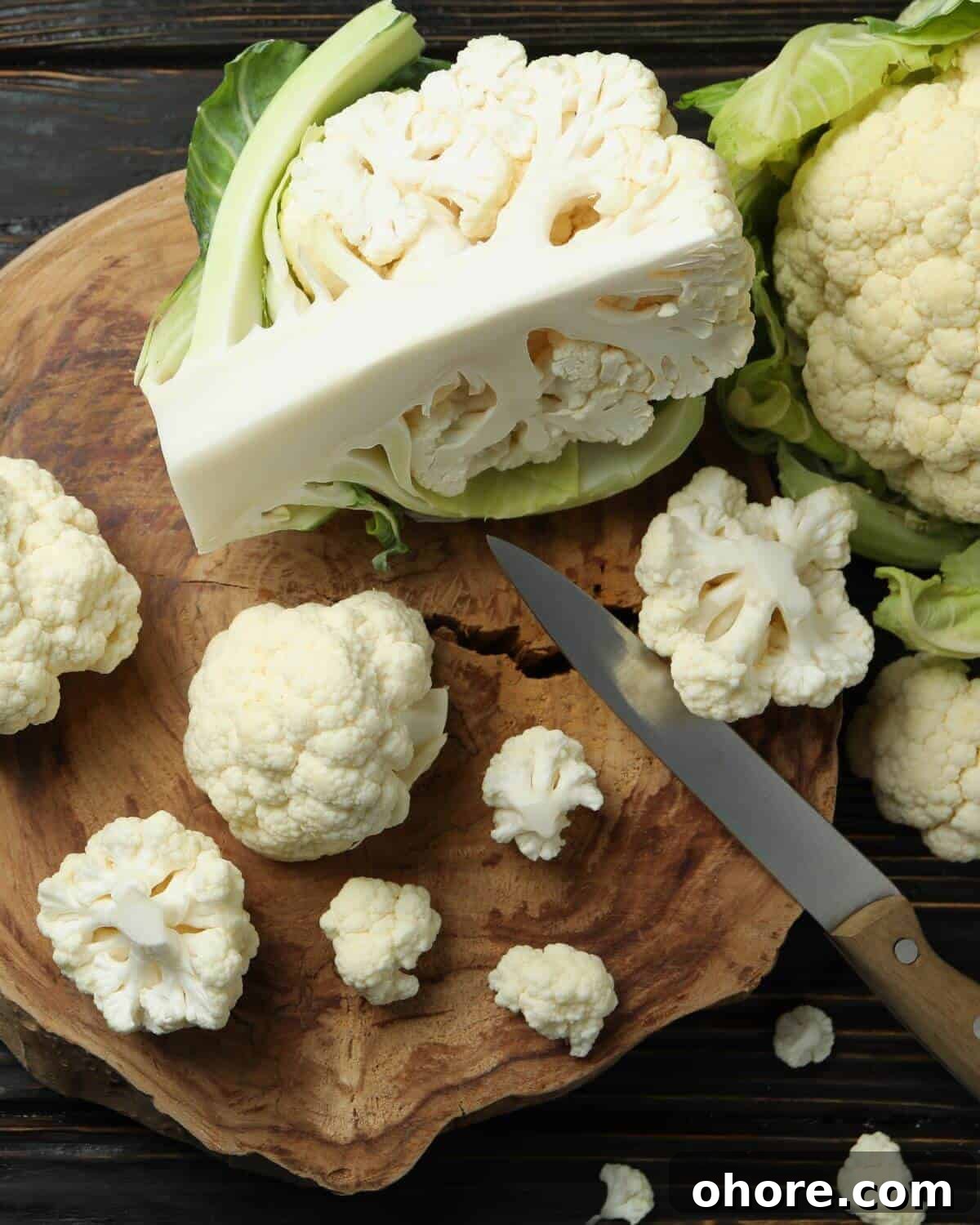
Learn how to clean cauliflower properly for the best flavor, safety, and nutrition. Cauliflower is a versatile vegetable used in many dishes, but it needs a few simple prepping steps before cooking or eating raw.
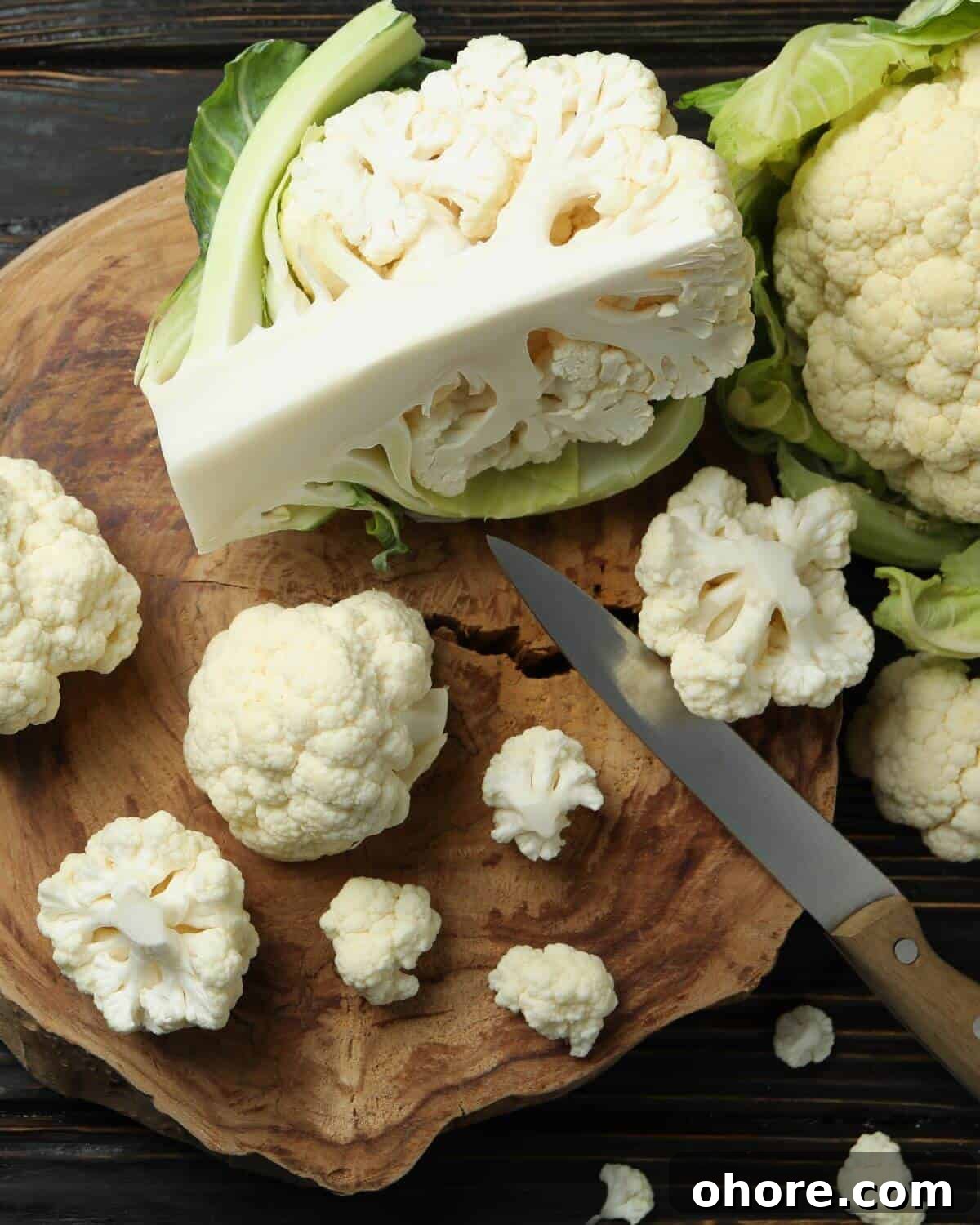
Cauliflower is an adaptable vegetable that can be roasted, steamed, boiled, blanched, or eaten raw. Cleaning it correctly removes dirt and small insects, preserves texture, and helps the florets take on seasonings and cooking methods more evenly.
Cauliflower is high in vitamins C and K and works well as a cooked side, a mashed substitute for potatoes, or a raw addition to salads and relishes.
What Is Cauliflower
Cauliflower belongs to the Brassica family, the same group that includes broccoli, kale, and cabbage. A head of cauliflower consists of a central stem with many small florets attached. These florets separate easily and are the edible portions most recipes call for.
Texture depends on preparation: raw or lightly steamed cauliflower is crisp, while boiling or roasting softens it.
Types of Cauliflower
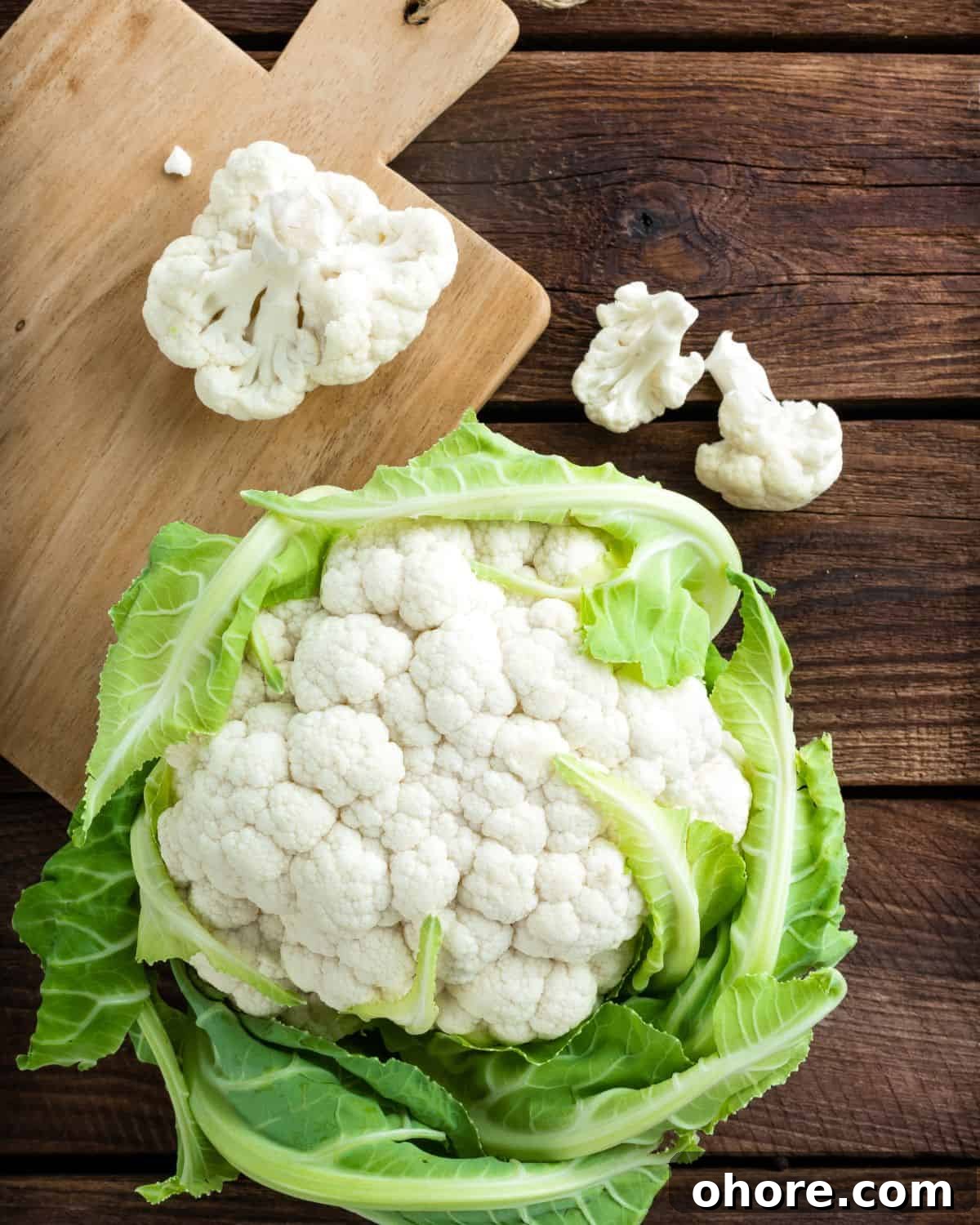
The classic white cauliflower is the most common and has a mild, slightly nutty flavor that pairs well with most seasonings. Roast it with olive oil and garlic or mash it for a lower-carb side dish.
Other varieties include orange, green, and purple cauliflower, each with a similar texture but slightly different flavor and color for presentation.
Benefits of Cauliflower
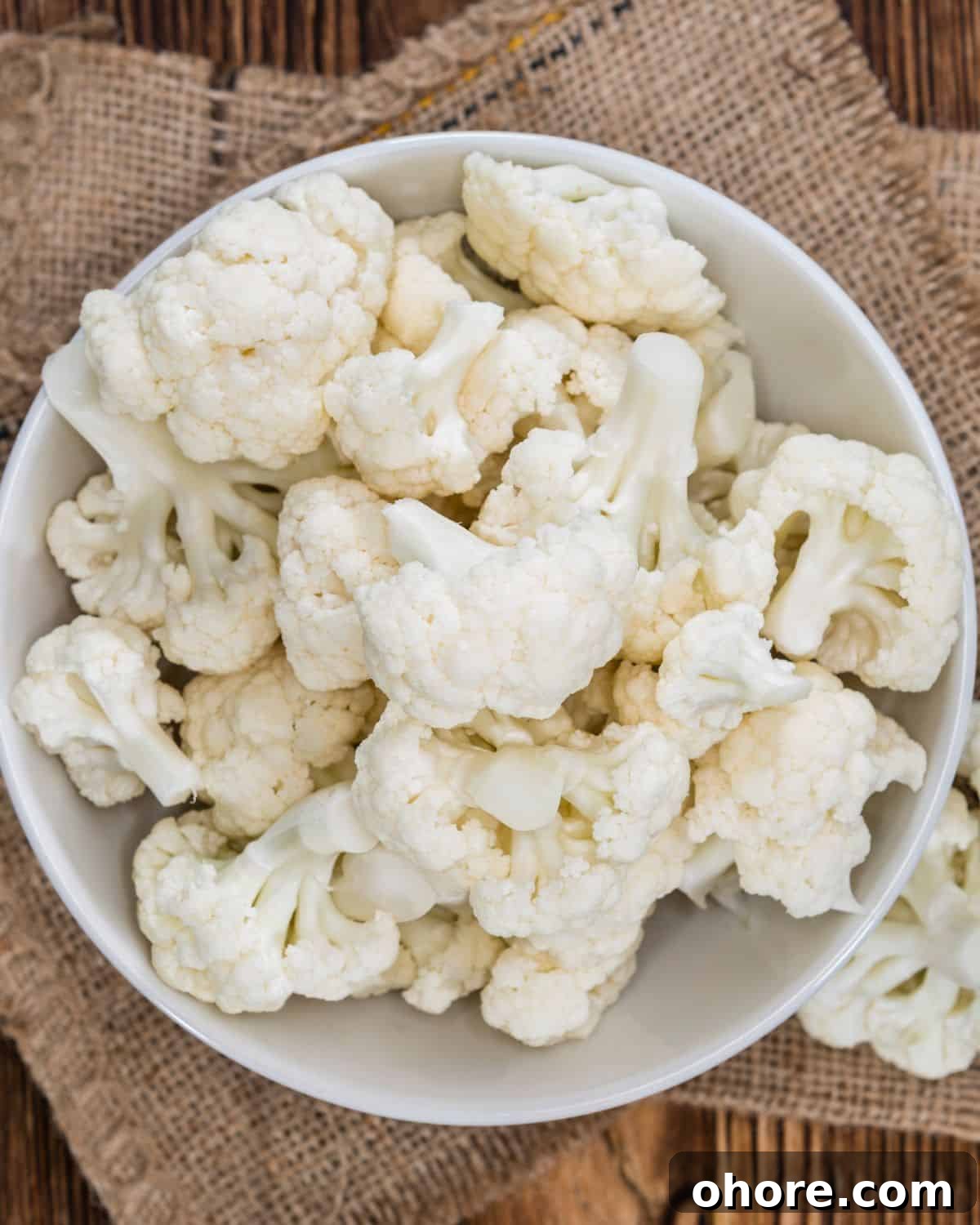
Cauliflower is an excellent source of vitamin C, which supports the immune system and skin health. It also contains B vitamins that help with metabolism and cell function.
Rich in antioxidants, cauliflower may offer anti-inflammatory benefits and contributes fiber and key minerals to a balanced diet.
How to Clean Cauliflower and Cut It
STEP 1: REMOVE LEAVES
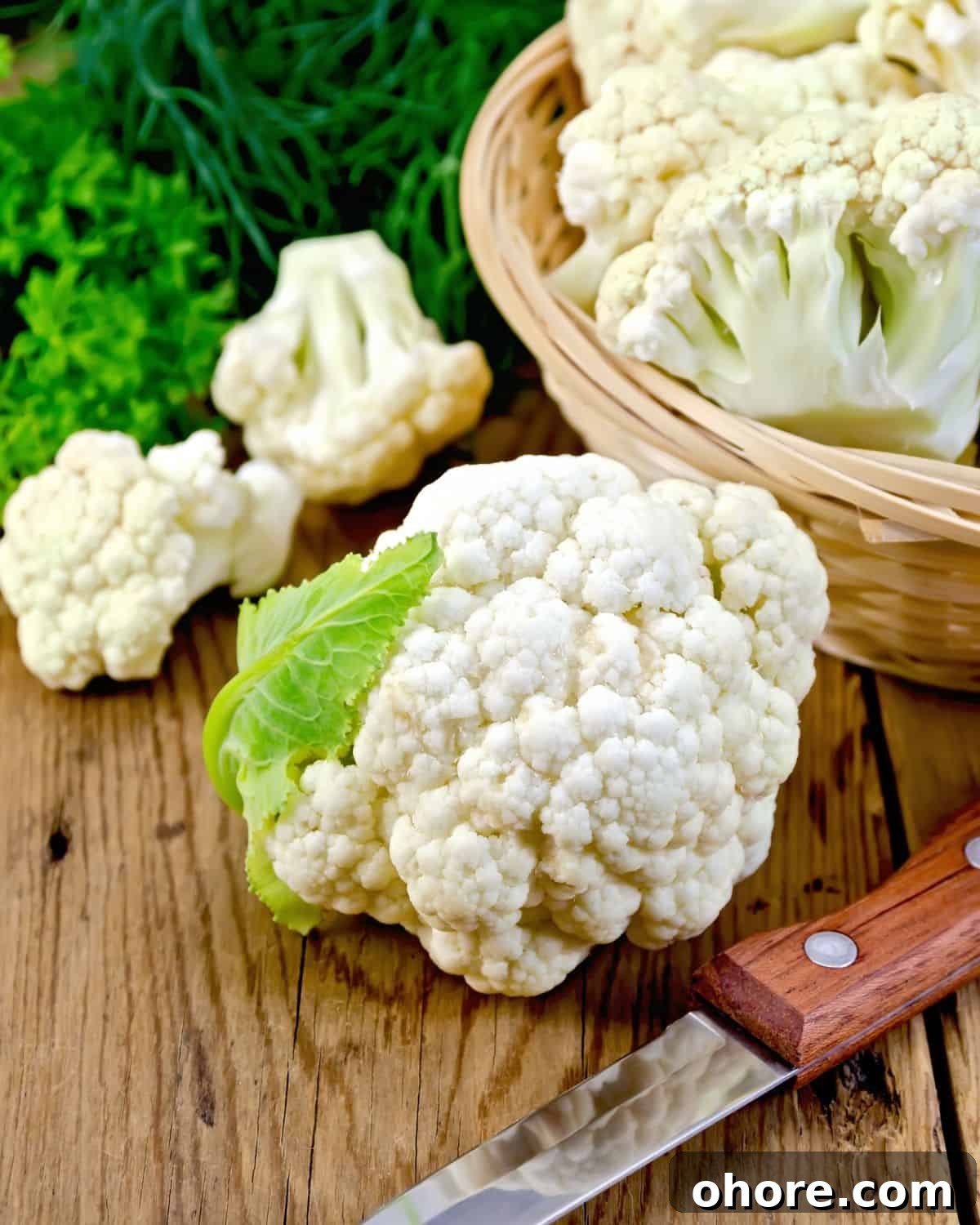
Pull away and discard the large outer leaves at the base of the cauliflower to expose the stem and crown.
STEP 2: CUT
Trim the stem and cut the head in half through the crown, then place each half cut-side down and slice again to create quarters.
STEP 3: REMOVE CORE
Lay a quarter on the cutting board and angle your knife to remove the tough core. Repeat for each quarter. This makes it easier to separate the florets.
STEP 4: SEPARATE
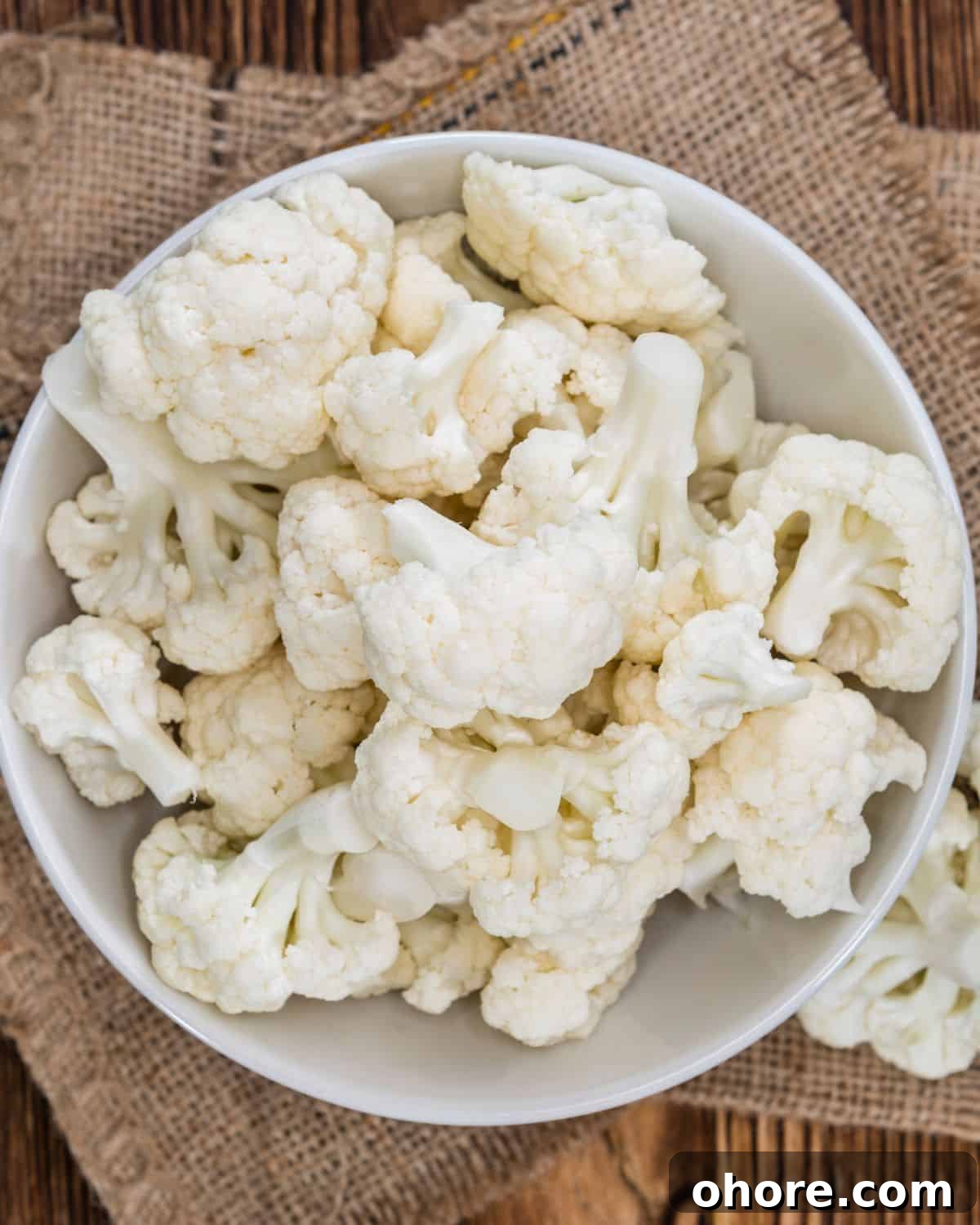
Use your hands to break the quarters into bite-sized florets. Trim any thick stalks so the pieces are uniform for even cooking. If needed, use your knife to chop larger pieces.
STEP 5: RINSE
Place the florets in a colander and rinse under cold running water, gently rubbing to remove dirt and any hidden insects trapped in the crevices.
STEP 6: PREPARE TO BLANCH
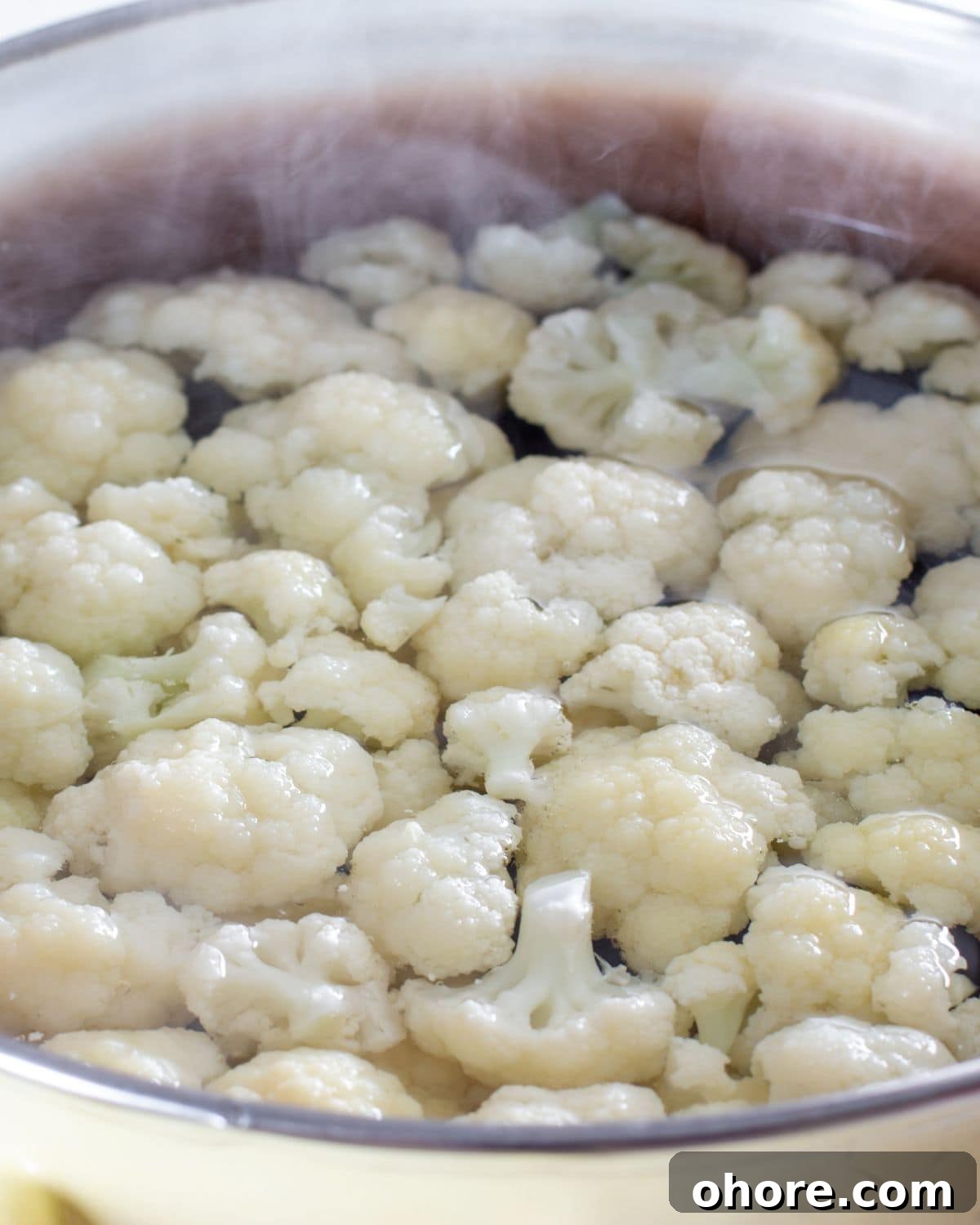
If blanching, fill a large pot with water, add a tablespoon of salt, and bring it to a rolling boil. Prepare a bowl of ice water to stop the cooking immediately after blanching.
STEP 7: ADD FLORETS
Drop the florets into the boiling water and cook for 1–2 minutes, just until they turn bright and begin to soften. This short blanch preserves texture and color.
STEP 8: TRANSFER FLORETS
Use a slotted spoon to transfer the florets straight into the ice bath to halt the cooking process.
STEP 9: DRY
Drain and dry the cauliflower thoroughly with a clean kitchen towel or paper towels. Dry florets roast better and store more reliably. Use immediately or refrigerate in an airtight container for later use.
Frequently Asked Questions
Wash cauliflower after you cut it into smaller pieces so water can reach crevices and remove dirt more effectively.
Yes — cauliflower is delicious raw in salads, crudité platters, or slaws and requires minimal preparation beyond washing and cutting.
Absolutely. The stems are edible and can be used in soups, stocks, grated into salads, or cooked along with florets.
Expert Tips for How to Clean Cauliflower and Cut It
- Flash-freeze: After blanching and drying, spread florets on a tray in a single layer and freeze until solid, then transfer to a sealed bag for long-term storage.
- Drying: Use a clean kitchen towel or a piece of cheesecloth to remove excess moisture if you need the florets dry for roasting or freezing.
- Recommended tools: a sharp chef’s knife, a sturdy cutting board, a colander, a slotted spoon, and a large pot for blanching.
More Ingredient Tutorials
- How to Properly Store and Thaw Frozen Beef
- Cookie Baking 101
- Easy Peel Cooked Eggs (5 Ways)
Cauliflower Recipes to Try
- Cheese Baked Cauliflower
- Roasted Sweet and Spicy Cauliflower
- Air Fried Cauliflower