
Sitting down together at the dinner table is the single most important parenting act of my day. It isn’t primarily about the food we serve, but about the connection—the simple act of facing one another, listening, and pausing together. Sharing a meal creates closeness in a way few other routines do.
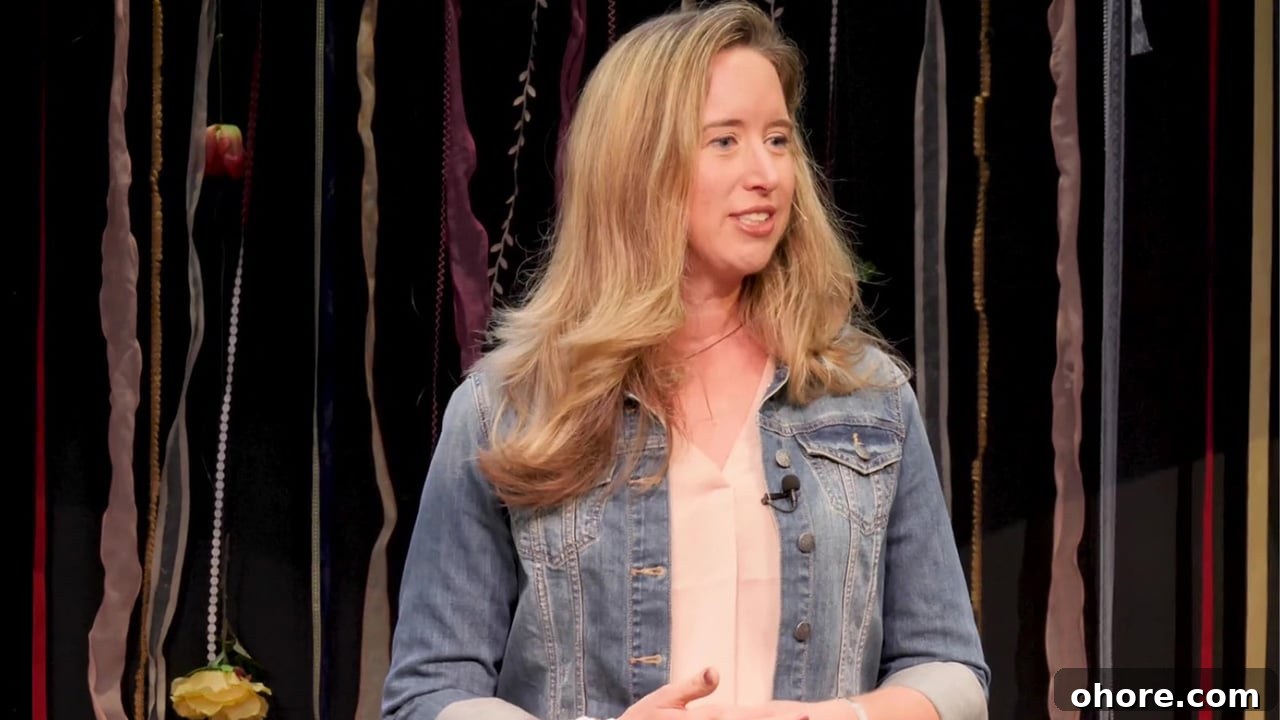
Too often when we talk about healthy eating we focus only on food choices. In a talk I gave to a group of mothers, I suggested that those choices are often symptoms of a broader food culture in our homes. If we want different results at the plate, we need to examine the everyday habits and expectations that shape how and why we eat.
One challenge in modern American life is that there’s little cultural guidance about when, where, how, or even why we should eat. Eating on the go has become routine: in cars, at desks, standing in lines, in front of screens. Restaurants serve breakfast all day and drive-thrus operate late into the night. We snack out of boredom, habit, or indecision. That anytime-anywhere mindset pushes us toward portable, shelf-stable, low-prep foods—choices that rarely maximize nutrition.
But if we limit our thinking to the final act of choosing a meal, we miss the broader benefits that mealtime offers. Instead of starting with “what should we eat,” begin earlier in the chain: decide when you will eat (and when you won’t), which locations are for eating (and which are not), how you will eat (and how you won’t), and the reasons behind those decisions. Once those parameters are set, the question of what to eat tends to resolve itself more healthfully.
For example, when your household decides that meals are eaten sitting at a table—not at a desk or coffee table—at set times, with utensils, and often together, it becomes easier to place nourishing foods on plates. And those occasional breaks from the rules—snacking during a road trip, finger foods for a picnic, or watching a special event on TV—become memorable treats instead of default behaviors. Making exceptions rare turns them into special, fun moments.
If you’ve been frustrated by repeated poor food choices in your family, try shifting the focus to the culture around food rather than the choices alone. Changing routines and expectations can remove many of the obstacles that make unhealthy options the easiest path. This wider perspective not only improves personal eating habits but can strengthen family rhythms and relationships.
The video I shared is longer than my usual talks, and it still only scratches the surface of the conversation. I don’t often write about food, but I do eat—and I feed others. Establishing a healthy food culture at home makes daily decisions simpler and contributes to a more balanced, abundant life.
Further reading
- 5 Life Habits for Healthy Skin
- How to Clean Your Fridge Inside & Out
- 22 Ways to Go Organic on a Budget
- If It Can Rot, Eat It