Editor’s Note:
I updated this recipe to improve dough handling, roll shape, and pull-apart texture. The original version below will still work, but I now prefer a revised method with easier shaping, better rise, and more golden tops. If you want the latest version, look for my updated gluten-free dinner rolls recipe.
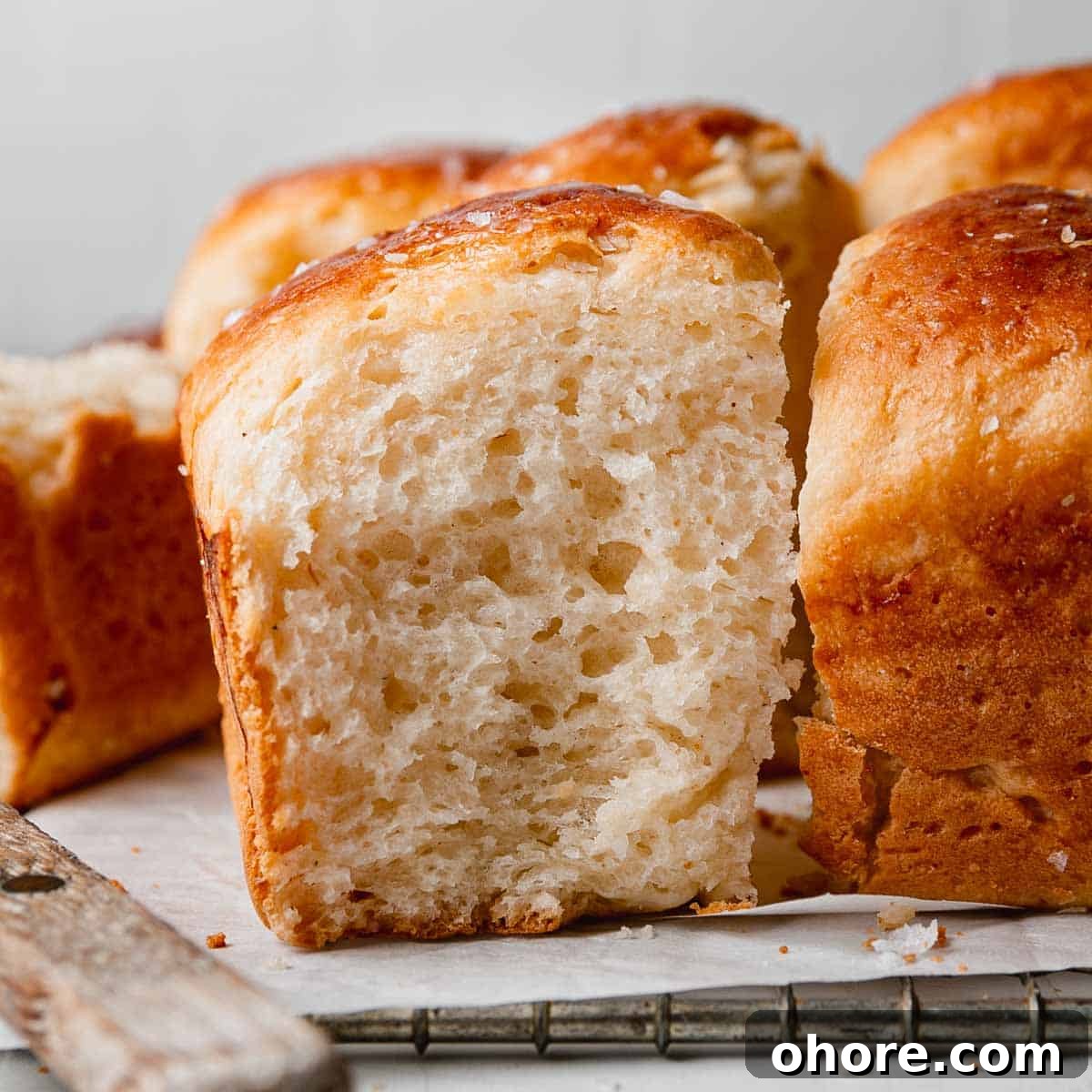
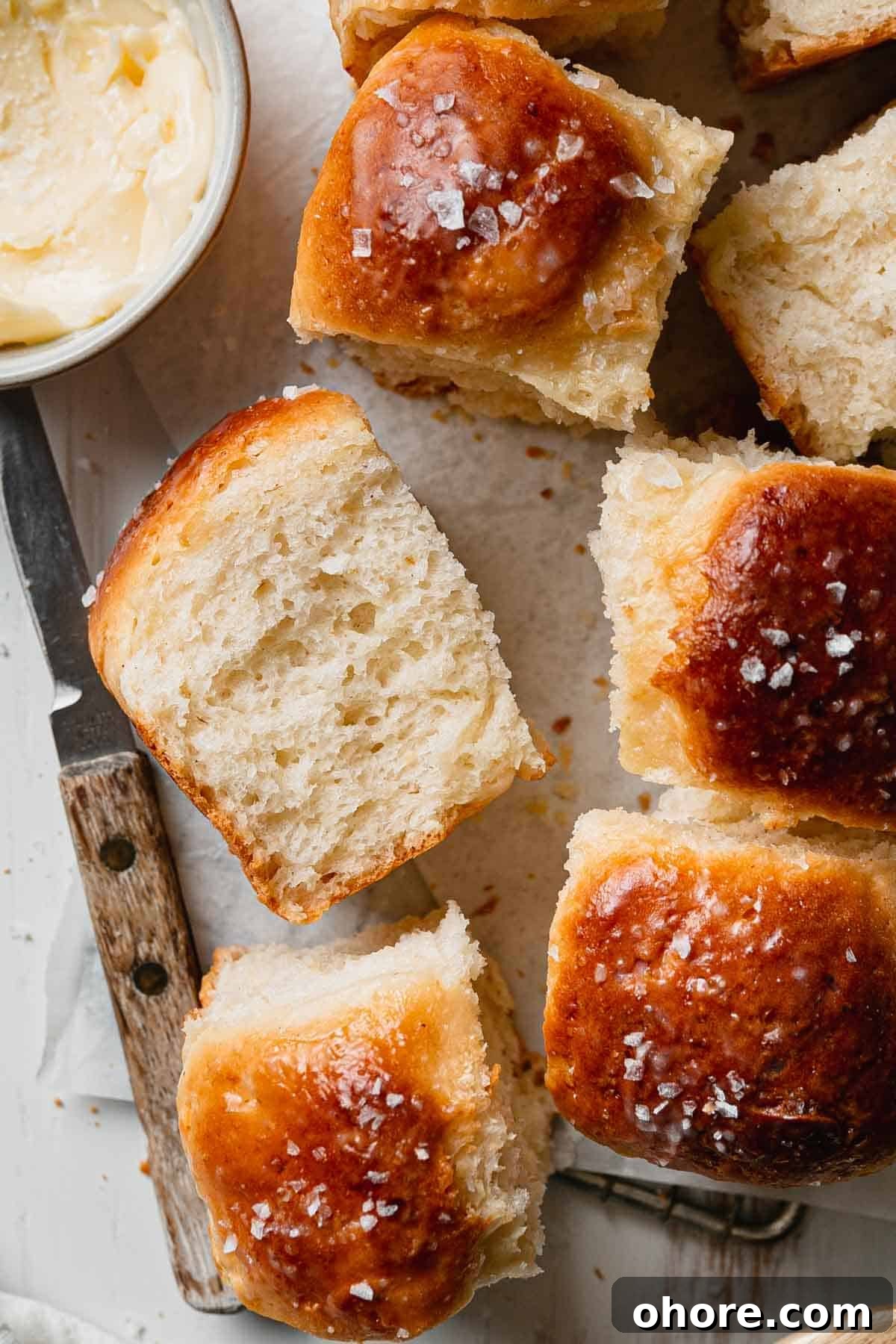
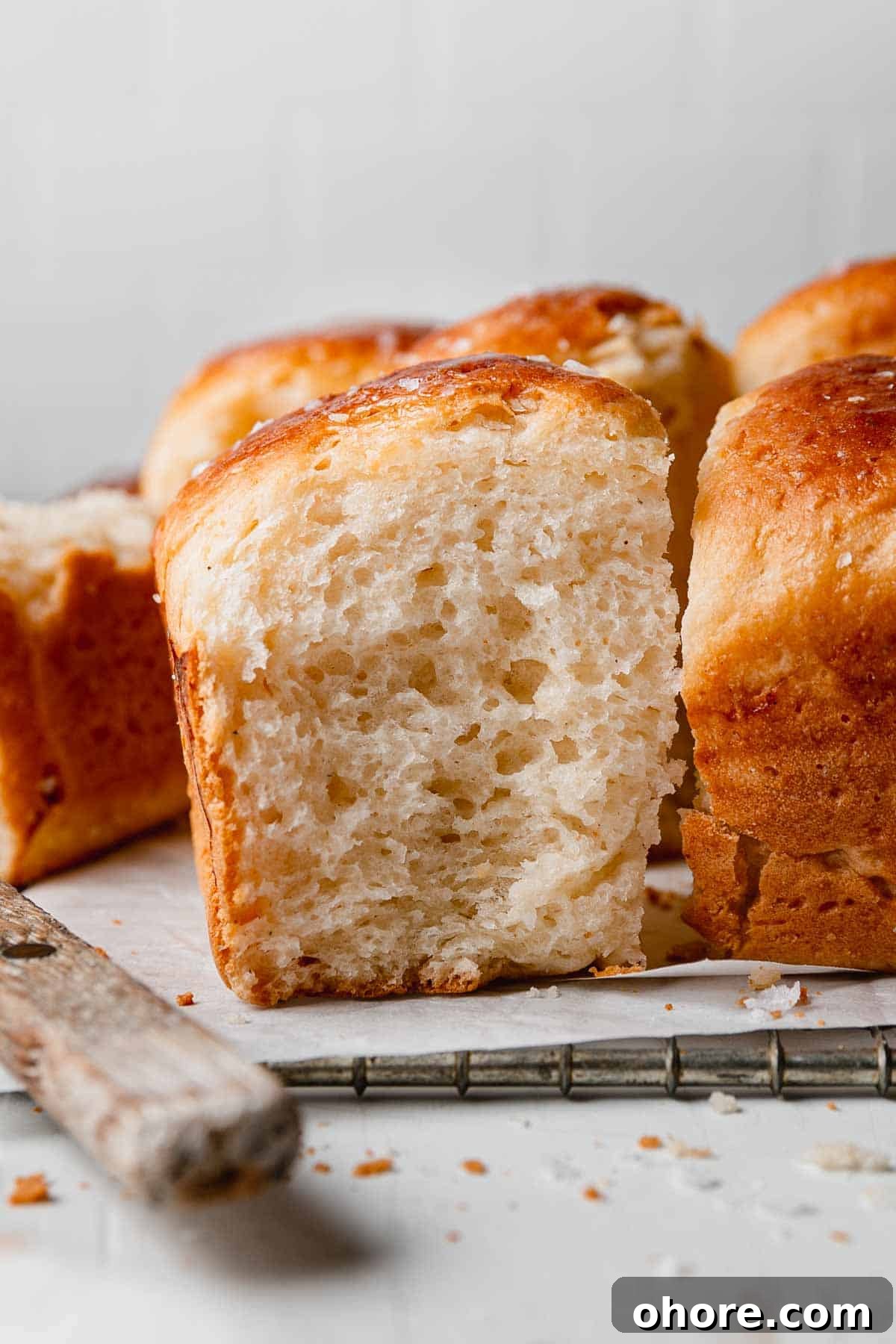
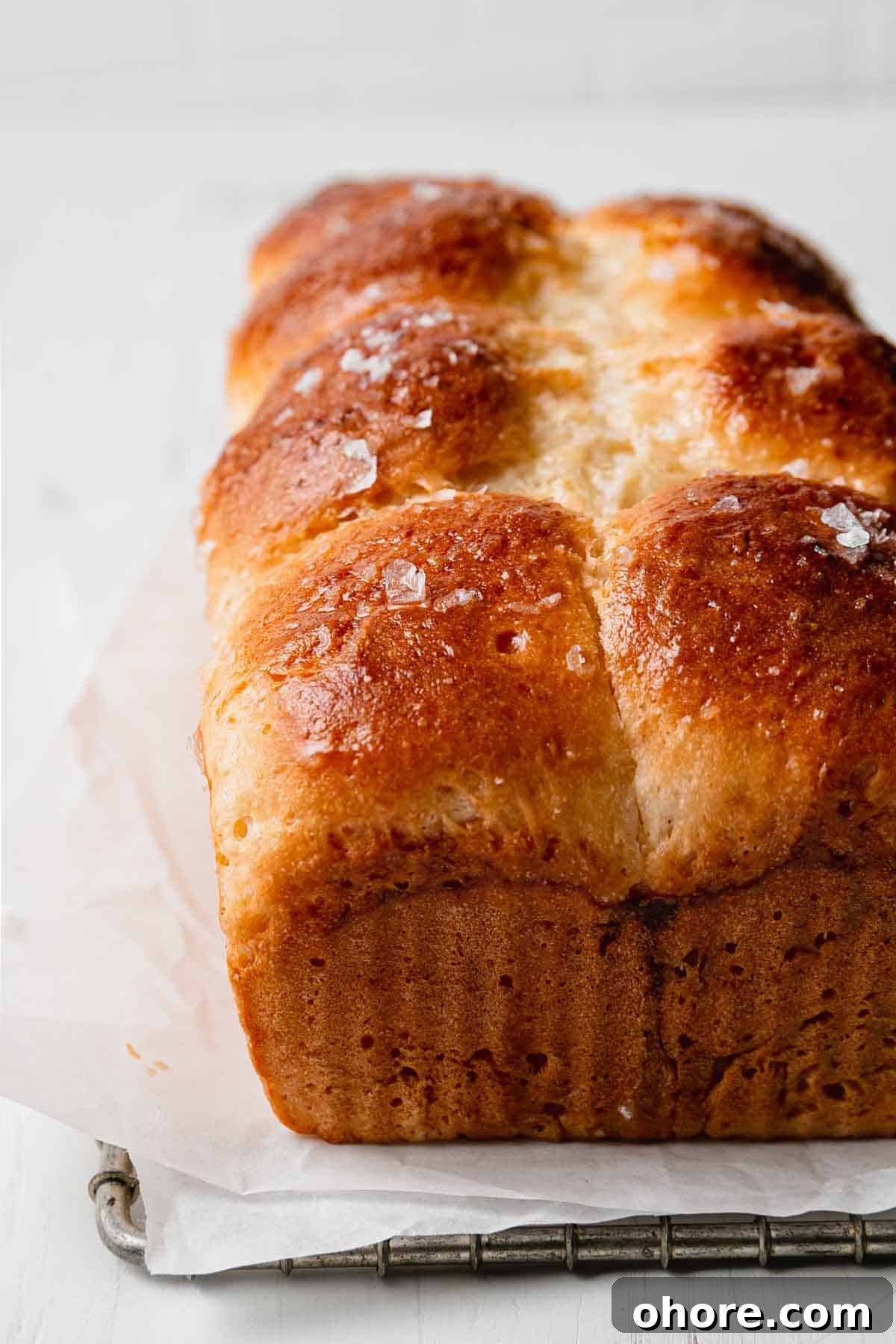
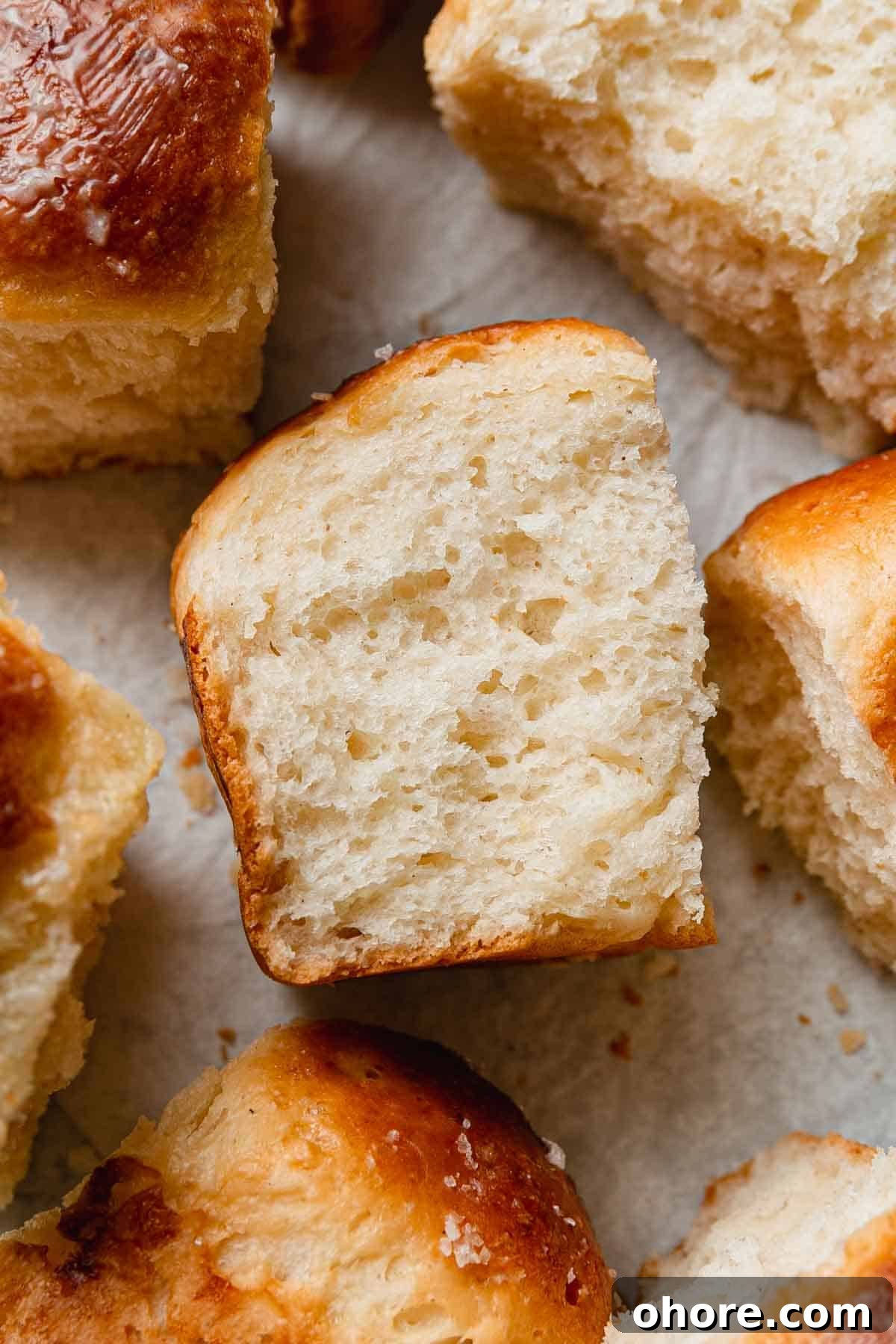
If you want gluten-free dinner rolls that are soft, light, and remind you of classic yeast rolls, this recipe delivers. These pull-apart rolls are airy and tender thanks to a specialty gluten-free flour.
Why You Need This Recipe
A soft, fluffy dinner roll is the perfect companion for holidays like Thanksgiving or Easter and for comforting Sunday suppers. Warm rolls brushed with softened butter are comfort food at its best.
Gluten-free baking can make achieving that tender, airy roll difficult. Over time I tested many variations and finally found a combination that produces a roll very close to the real thing. Here are a few reasons you’ll appreciate this recipe:
- Simple to make—easier in some ways than traditional rolls.
- Uses a short list of accessible ingredients.
- From start to finish in about two hours—quick for a yeast bread.
- Make-ahead options for busy holiday prep.
- Dairy-free substitutions are included.
- Best of all: the flavor and texture closely resemble conventional dinner rolls.
Secret Ingredient – Caputo Fioreglut Gluten-free Flour
The most important element for achieving an authentic roll is choosing the right gluten-free flour. For this recipe I use Caputo Fioreglut. It consistently produces superior texture and rise in gluten-free yeast breads compared with many other blends.
Caputo Fioreglut contains gluten-free wheat starch, which adds structure and a familiar wheat-like flavor and aroma that many gluten-free flours lack. The product is certified gluten-free and suitable for people with celiac disease or gluten intolerance, but it should be avoided by anyone with a wheat allergy because it contains wheat starch.
About Gluten-Free Wheat Starch
Gluten-free wheat starch helps improve texture and structure in baked goods while adding a wheat-like taste. It tests below the accepted gluten threshold and is commonly used in certified gluten-free products. Still, avoid it if you have a wheat allergy.
Can You Use Other Gluten-free Flours?
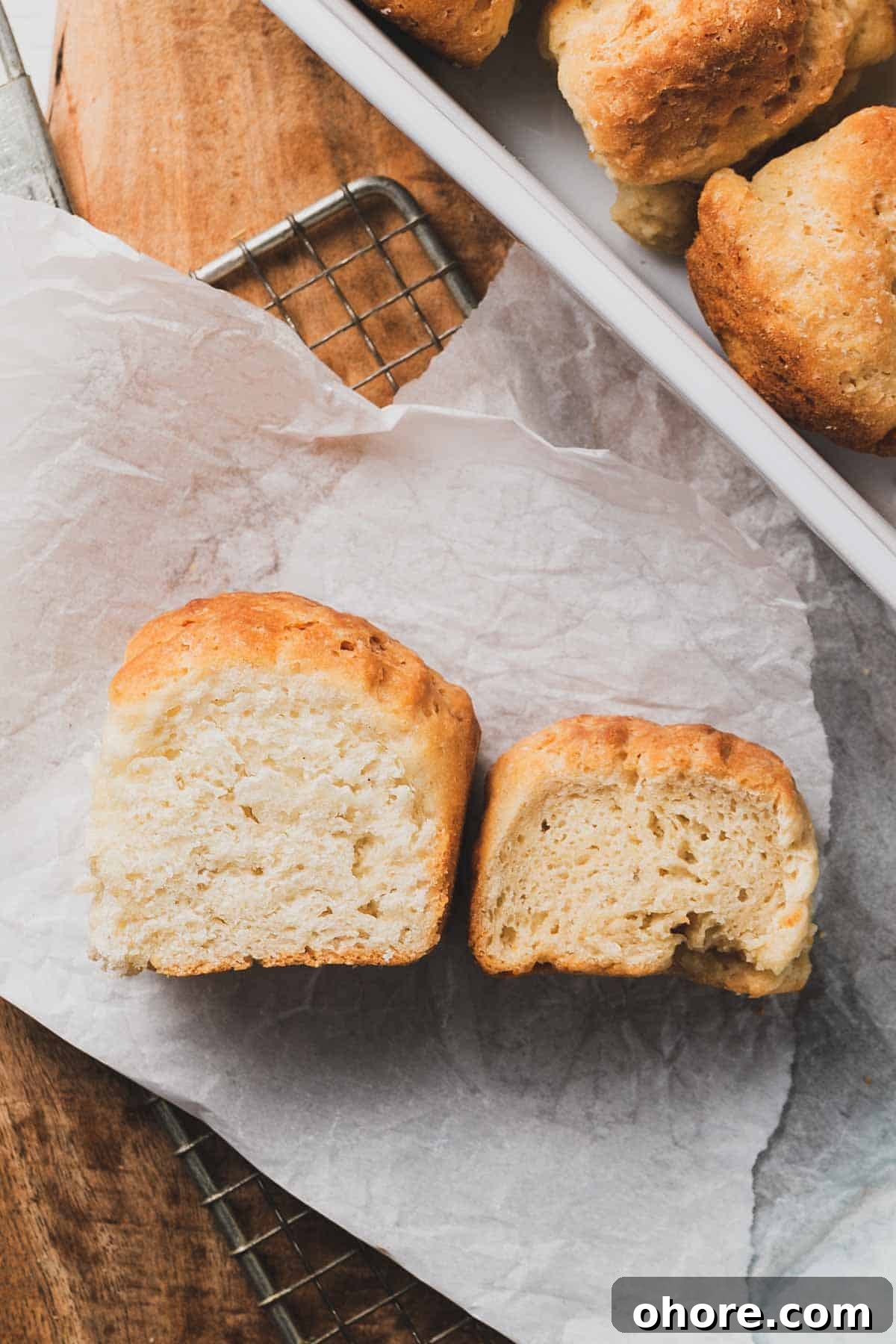
Yes, the recipe will generally work with other blends, but results differ. Rolls made with Caputo Fioreglut rise higher and are noticeably airier and more tender. Other blends such as Namaste Perfect Flour Blend, Cup4Cup, or Bob’s Red Mill 1:1 produced denser rolls in my tests. For the closest match to traditional rolls, I recommend using Caputo Fioreglut.
Ingredients Needed
Besides the recommended flour and optional psyllium husks, the rest of the ingredients are common pantry items.
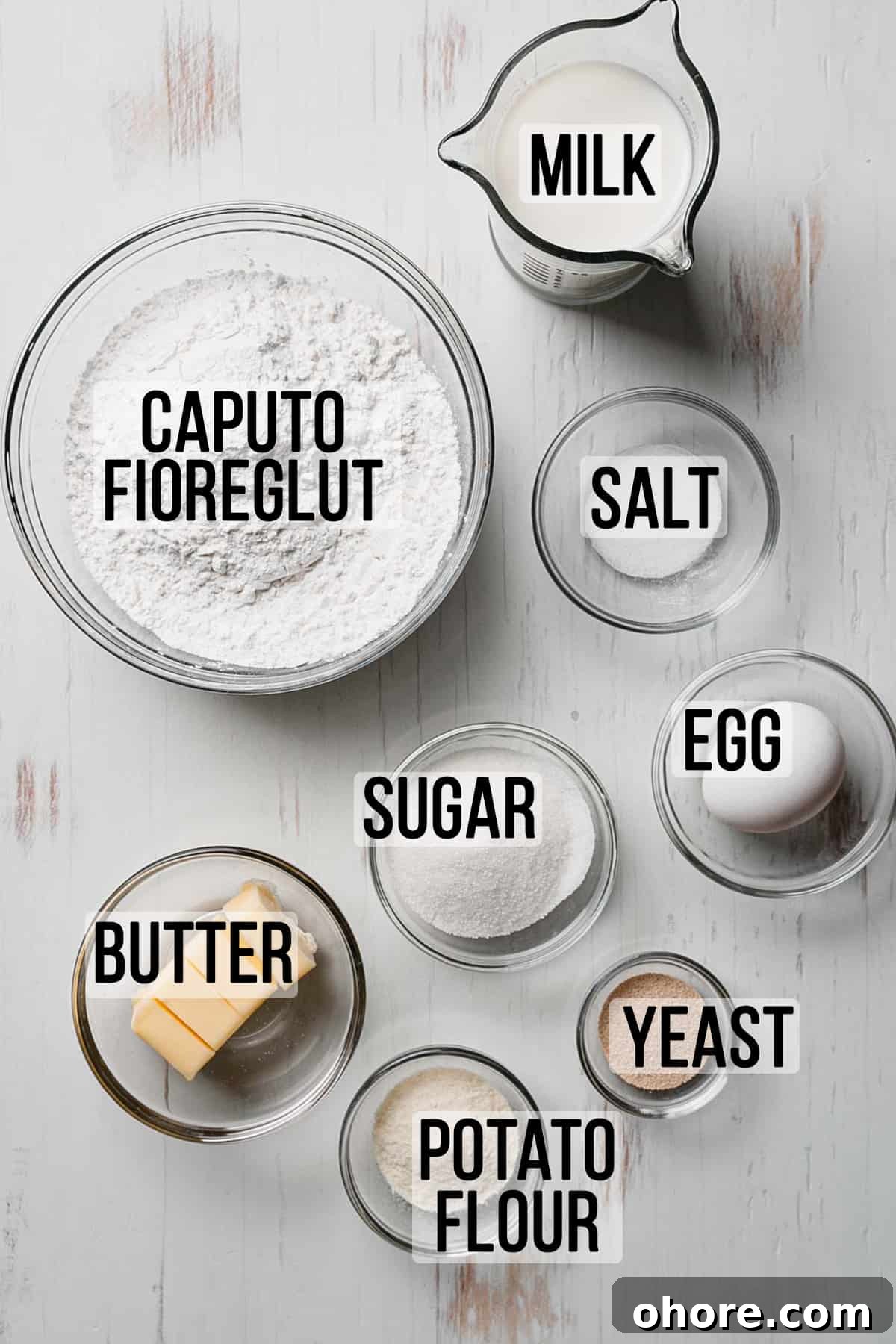
- Caputo Fioreglut flour: The recommended flour for the best texture and rise.
- Instant (Rapid-Rise) yeast: This can be added directly to the dry mix. If using active dry yeast, dissolve it first in warm milk.
- Potato flour: Adds tenderness; plain instant mashed potato flakes can substitute, or omit and use extra Fioreglut.
- Psyllium husk: Helps the dough hold moisture and improves structure; whole husks are preferred.
- Milk: Use 2% or whole milk; non-dairy options work for dairy-free rolls.
- Butter: Salted or unsalted; vegan butter works for dairy-free versions.
- Large egg: Adds structure. For an egg-free alternative, a flax egg may work though I haven’t fully tested it.
- Salt and sugar: Both are necessary for flavor and yeast activity.
Notes About Yeast:
- If using active dry yeast instead of instant, dissolve it in the warm milk for 5 minutes before mixing.
- Use fresh yeast; if it’s older than a few months or past its expiration, replace it for reliable rise.
Gluten Free and Dairy Free Dinner Rolls
To make dairy-free rolls, substitute vegan butter and use a non-dairy milk such as almond or soy. The rest of the method remains the same.
Equipment Needed
- Stand mixer: Recommended for ease; the dough is thick and a hand mixer may struggle. The recipe can be mixed by hand but requires effort.
- Kitchen scale: Weighing ingredients yields the most consistent results.
- Loaf pan: A standard 8.5 x 4.5-inch loaf pan works well; an 8-inch square pan is an option but yields slightly squat rolls.
- Digital thermometer: Useful for checking milk temperature for yeast activation (120–130°F).
- Cookie scoop: Helps portion dough evenly for consistent rolls.
- Parchment paper: Optional, for easy removal from the pan.
How to Make Gluten-free Dinner Rolls
These rolls are straightforward: whisk the dry ingredients, mix in warmed milk and butter, add the egg, portion, shape gently, proof, and bake.
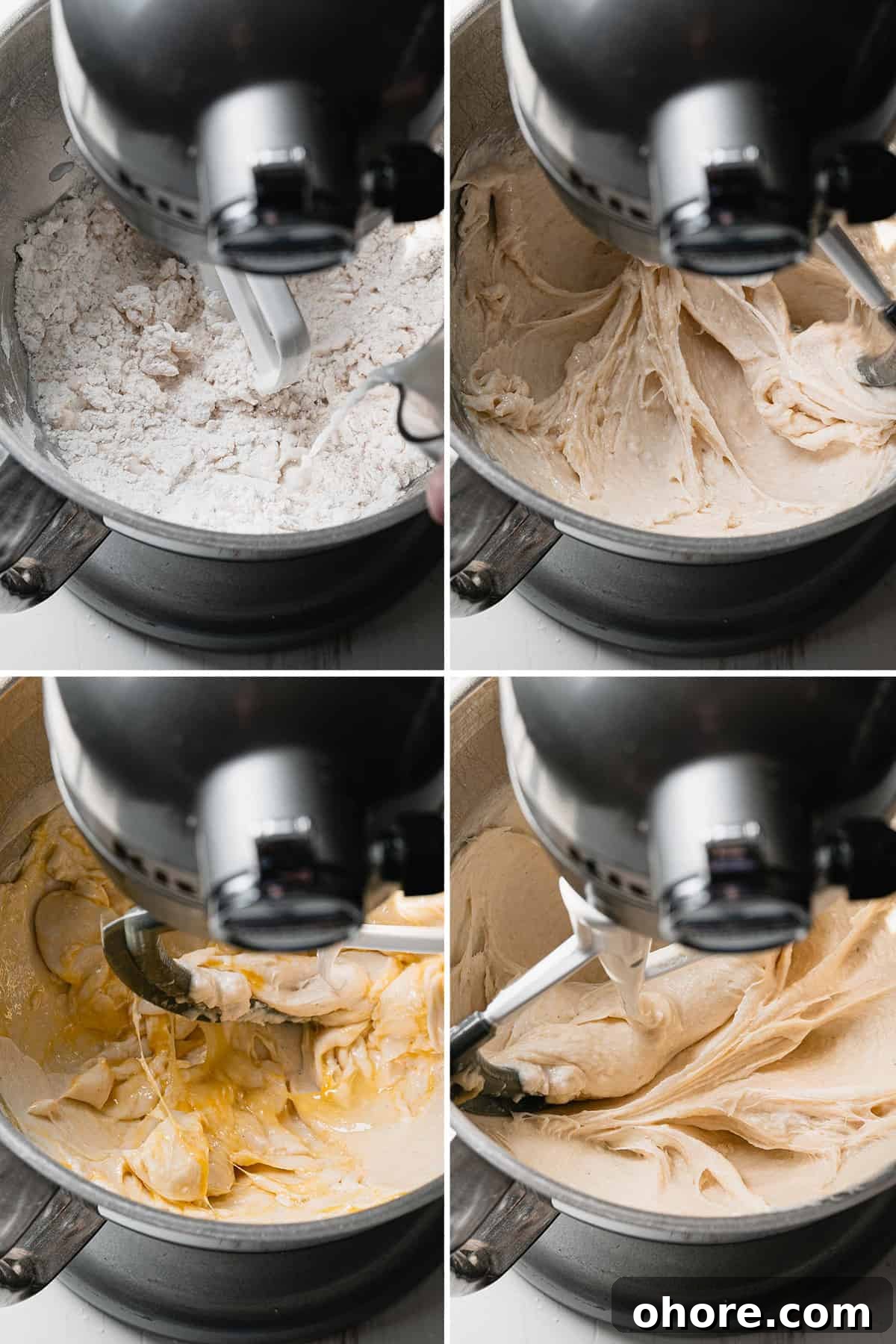
- Step 1: Whisk dry ingredients in the stand mixer bowl and fit the paddle attachment.
- Step 2: Warm milk and butter to 120–130°F. With the mixer on low, stream them into the dry mix, then blend in the room-temperature egg.
- Step 3: Mix on medium speed for 2 minutes. The dough will be thick and batter-like—do not add extra flour.
- Step 4: Let the batter rest 5–10 minutes so the psyllium can absorb moisture, which eases shaping.
- Step 5: Portion with a large cookie scoop into eight heaping 1/4-cup portions for a loaf pan (or nine for an 8-inch pan).
- Step 6: Grease your hands and gently roll each portion into a smooth ball. Place balls in the prepared greased pan.
- Step 7: Cover and proof in a warm spot for about 1 hour, or until approximately doubled.
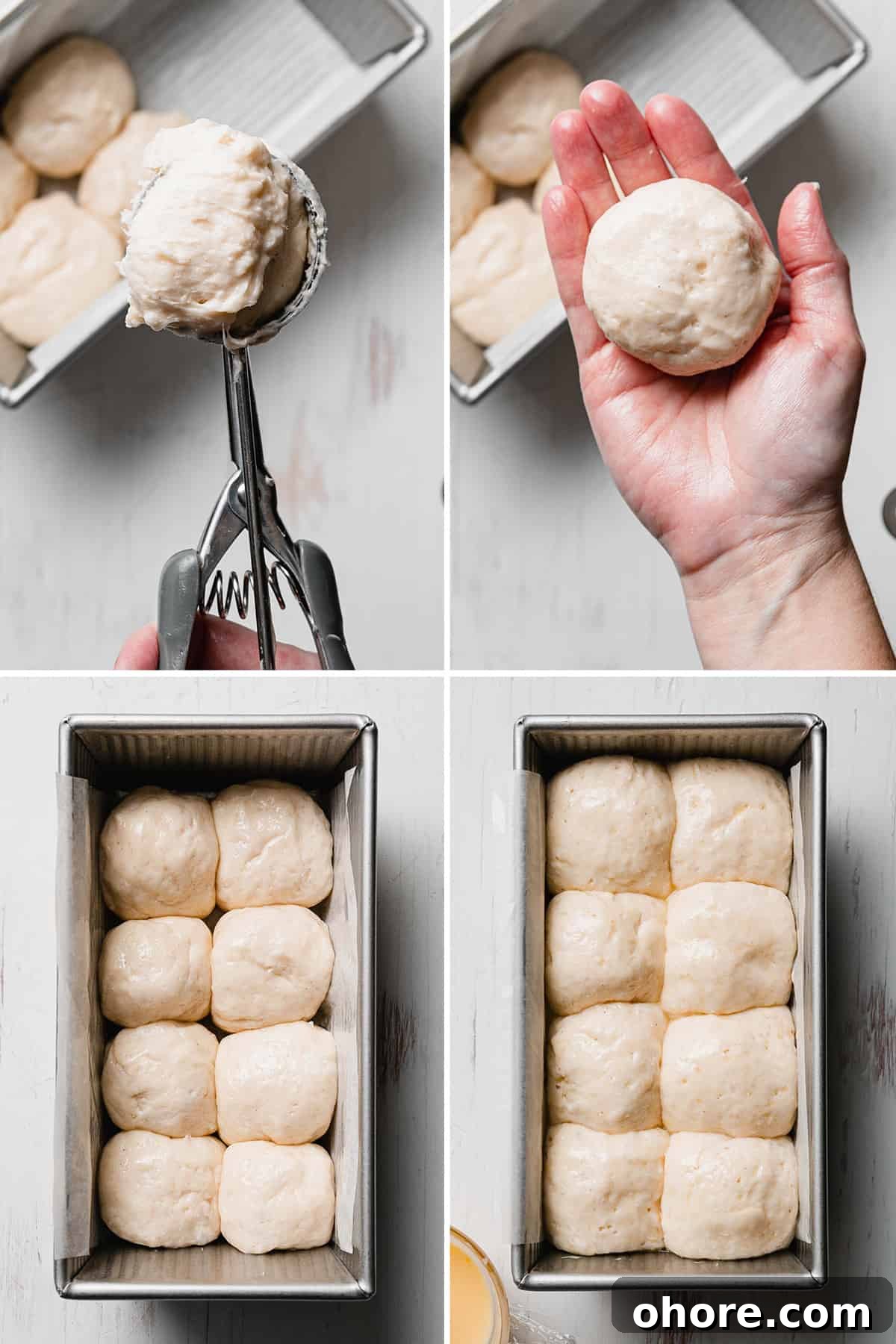
Pan tip: Place the portions snugly in the pan before rising so they expand upward rather than outward, creating taller, better-looking rolls.
Proofing tip: If your kitchen is cool, proof the pan in the microwave with a cup of recently boiled water inside. Close the door and leave the rolls to rise in the warm, humid space until doubled.
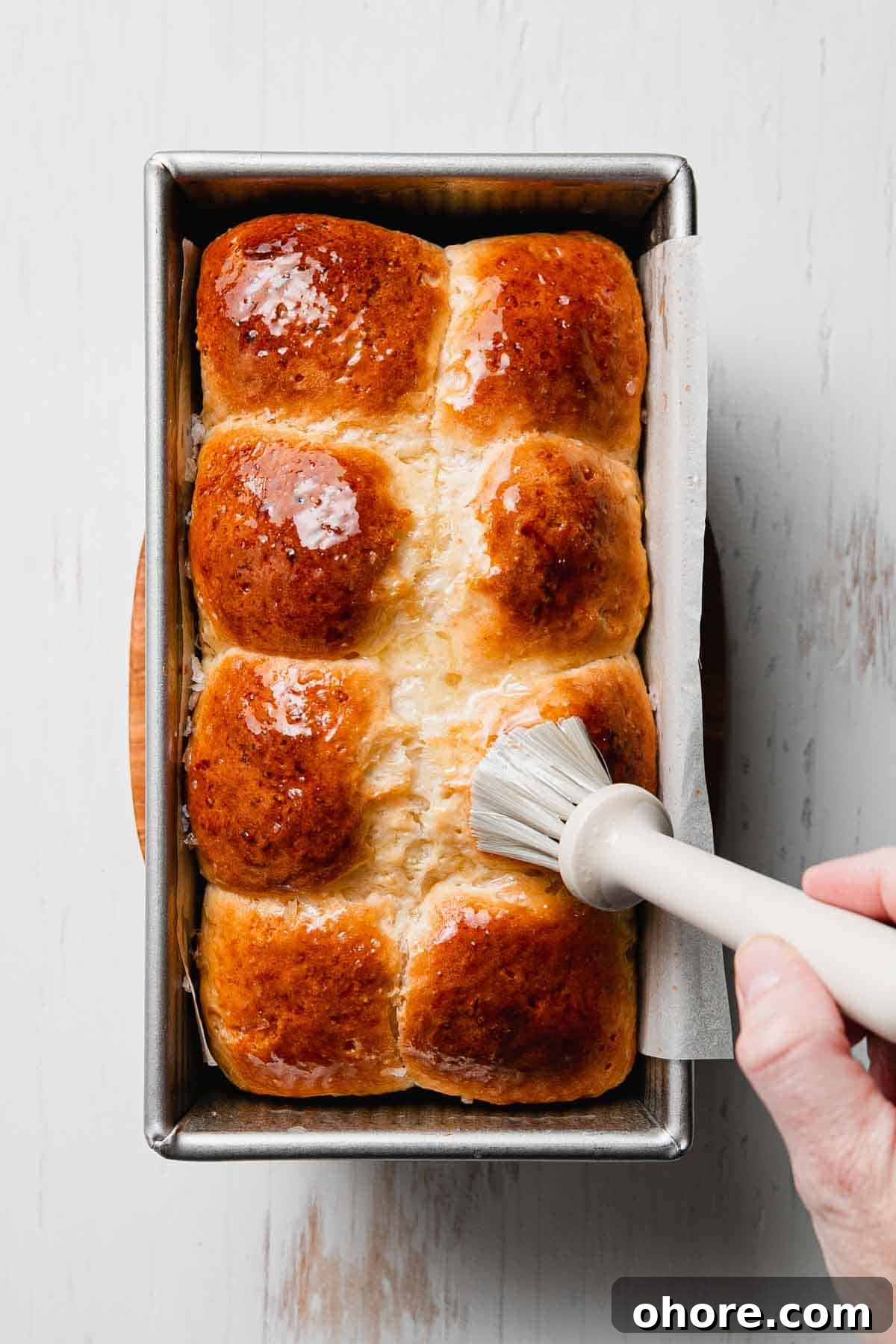
- Step 8: Preheat oven to 350°F. Remove cover, brush the tops with an egg wash (1 egg + 1 tablespoon milk), and bake 30–35 minutes, until golden and 190°F at the center.
- Step 9: Brush warm rolls with melted butter and sprinkle sea salt if desired. Serve warm.
These rolls are best fresh from the oven, but there are convenient make-ahead options.
How to Make Ahead
Plan ahead for holidays by using one of these methods to have warm rolls without last-minute stress.
Bake Ahead
Bake up to one day in advance. Cool completely and store at room temperature wrapped tightly. Rewarm in a 350°F oven for 15–30 minutes until heated through, then brush with butter.
Refrigerate Unbaked Rolls
After the first rise, wrap the pan tightly and refrigerate up to one day. Allow the rolls to come to room temperature for an hour or two before baking.
Freeze Unbaked Rolls
Let the shaped rolls rise, then freeze the whole pan wrapped tightly. Thaw for at least four hours at room temperature or overnight in the refrigerator, then bake as directed.
How to Store
Store leftovers in an airtight container for up to three days. Rewarm in the oven or microwave to restore softness.
Top Recipe Tips
- Dough tips:
- Use the recommended flour for best results.
- The batter will be thick and sticky—this is normal. Don’t add extra flour.
- Temperatures matter: milk/butter 120–130°F and egg at room temperature help activate the yeast.
- Use fresh instant or rapid-rise yeast.
- Weigh ingredients when possible for greater consistency.
- Use the suggested pan size to encourage upward rise.
- Shaping tips:
- Let the batter rest 5–10 minutes before shaping so the psyllium can hydrate.
- Grease your hands to prevent sticking and shape gently—the dough is more batter-like than traditional dough.
- If the dough is too sticky to shape, scoop portions directly into the pan and smooth the tops with a greased hand.
I hope these gluten-free yeast rolls become a favorite addition to your next holiday meal. They pair well with many seasonal dishes and are a satisfying, soft bread option for any special dinner.
More Gluten-Free Yeast Breads
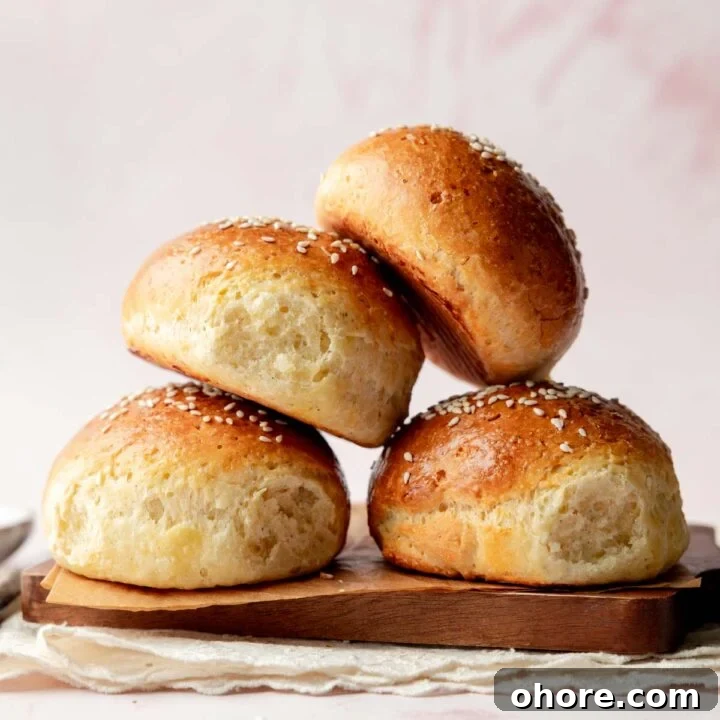
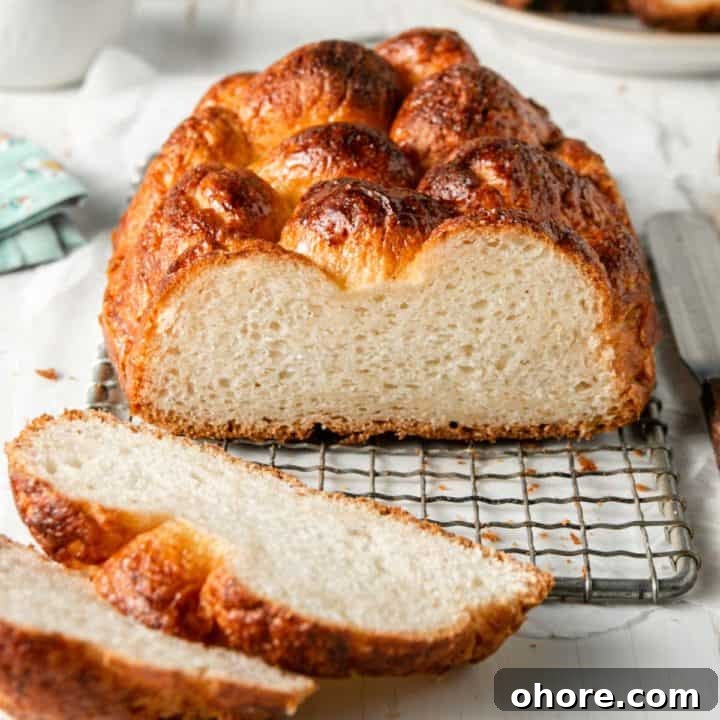
If you enjoy working with this flour, there are other yeast recipes that work well—hamburger buns, brioche, bagels, and more. These recipes use similar techniques and the same flour to produce excellent results.
 Gluten-Free Hamburger Buns
-
Gluten-Free Deep Dish Pizza
-
Gluten-Free Brioche
-
Gluten-Free Hawaiian Rolls


Recipe
Gluten-free Yeast Dinner Rolls
Katie Olesen
Ingredients
- 2 cups Caputo Fioreglut gluten-free flour blend (other flours not recommended)
- 1/4 cup granulated sugar
- 1 tablespoon potato flour (or 2 tbsp instant mashed potato flakes, or equal amount Fioreglut)
- 1 tablespoon whole psyllium husks
- 1 1/4 teaspoons instant or rapid-rise yeast
- 3/4 teaspoon kosher salt
- 1 cup milk, warmed to 120–130°F (plus 1 tbsp for egg wash)
- 4 tablespoons butter, melted (plus extra for brushing)
- 1 large egg, room temperature (plus 1 egg for egg wash)
Instructions
- Grease a standard 8.5 x 4.5-inch loaf pan or an 8-inch square pan; line with parchment if desired.
- Whisk flour, sugar, potato flour, psyllium husks, salt, and yeast in the mixer bowl.
- Measure the milk, add the butter to the measuring cup, and warm to 120–130°F.
- With the mixer on low, slowly stream in the warm milk and butter, then blend in the egg.
- Mix on medium speed for 2 minutes, scraping down the bowl as needed. The dough will resemble a thick cake batter; do not add more flour.
- Let the batter rest 5–10 minutes before shaping to allow the psyllium to hydrate.
- Portion into eight heaping 1/4-cup scoops (nine for an 8-inch pan). Grease your hands and gently roll each portion into a smooth ball, placing them in the prepared pan. If very sticky, scoop directly into the pan and smooth the tops with a greased hand.
- Cover and let rise in a warm spot for about 1 hour, until roughly doubled.
- Preheat oven to 350°F. Whisk 1 egg with 1 tablespoon milk and lightly brush the tops. Bake 30–35 minutes until golden brown and 190°F in the center.
- Brush with melted butter after baking and sprinkle sea salt if desired. Serve warm.
Notes
- Weigh ingredients if possible for accuracy.
- The batter will be thick and sticky—this is normal; do not add extra flour.
- Keep milk/butter between 120–130°F and use a room-temperature egg to help yeast activity.
- Use fresh instant or rapid-rise yeast for best results.
- Store leftover rolls in an airtight container up to three days and rewarm before serving.
Estimated Nutrition
Carbohydrates: 31 g • Protein: 6 g • Fat: 8 g
*Nutrition is an estimate and should be used as a guideline only.