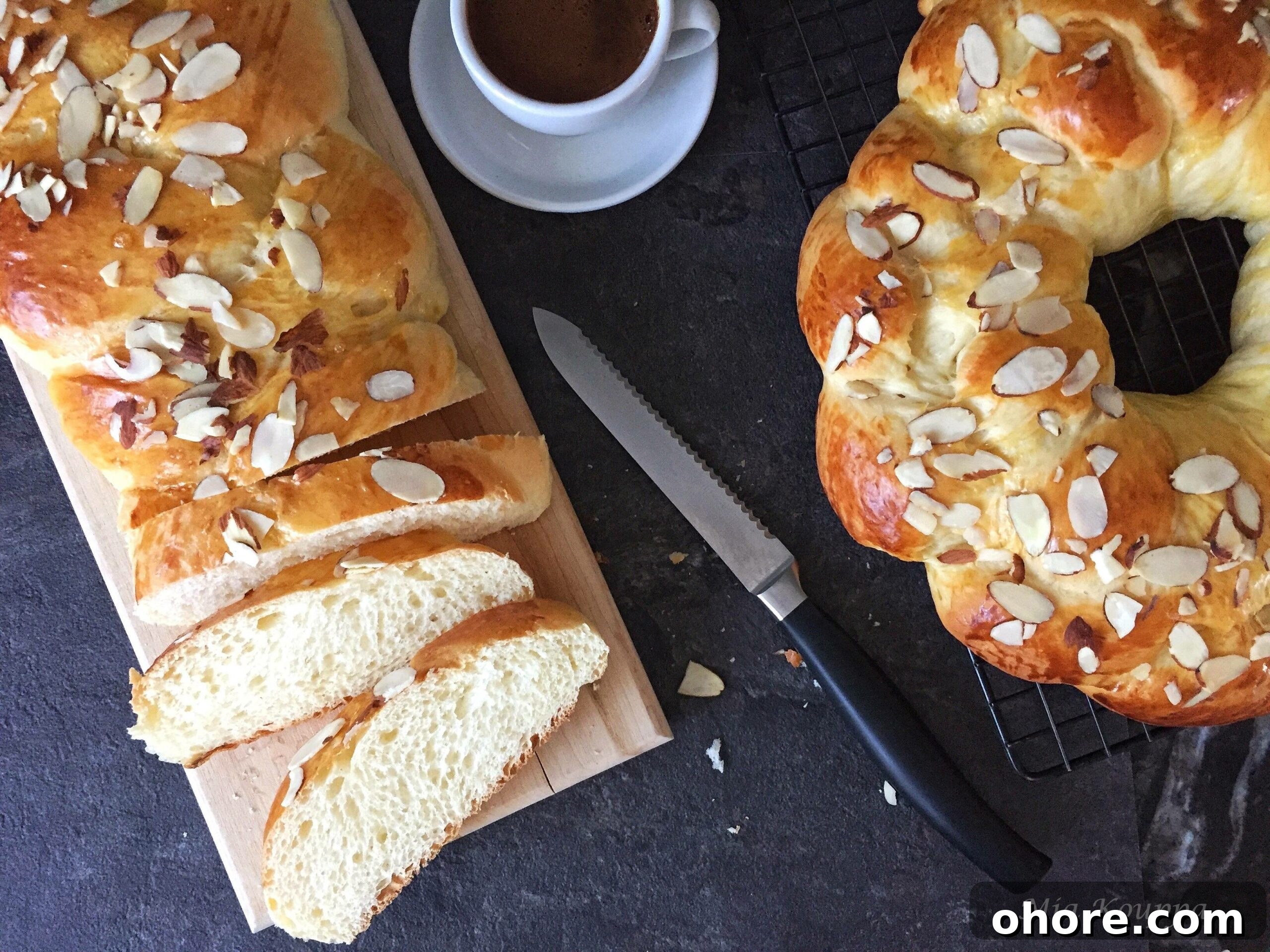
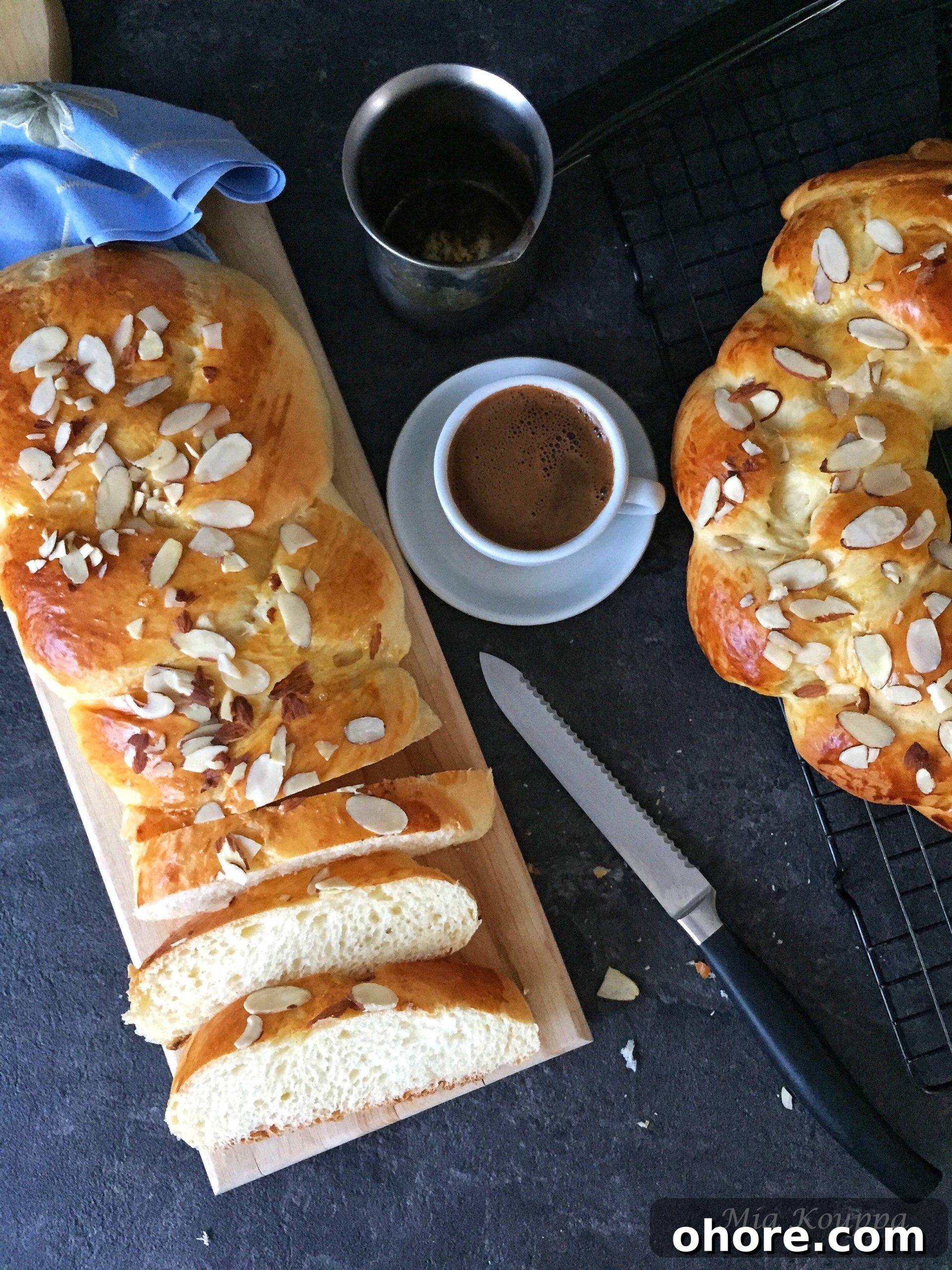
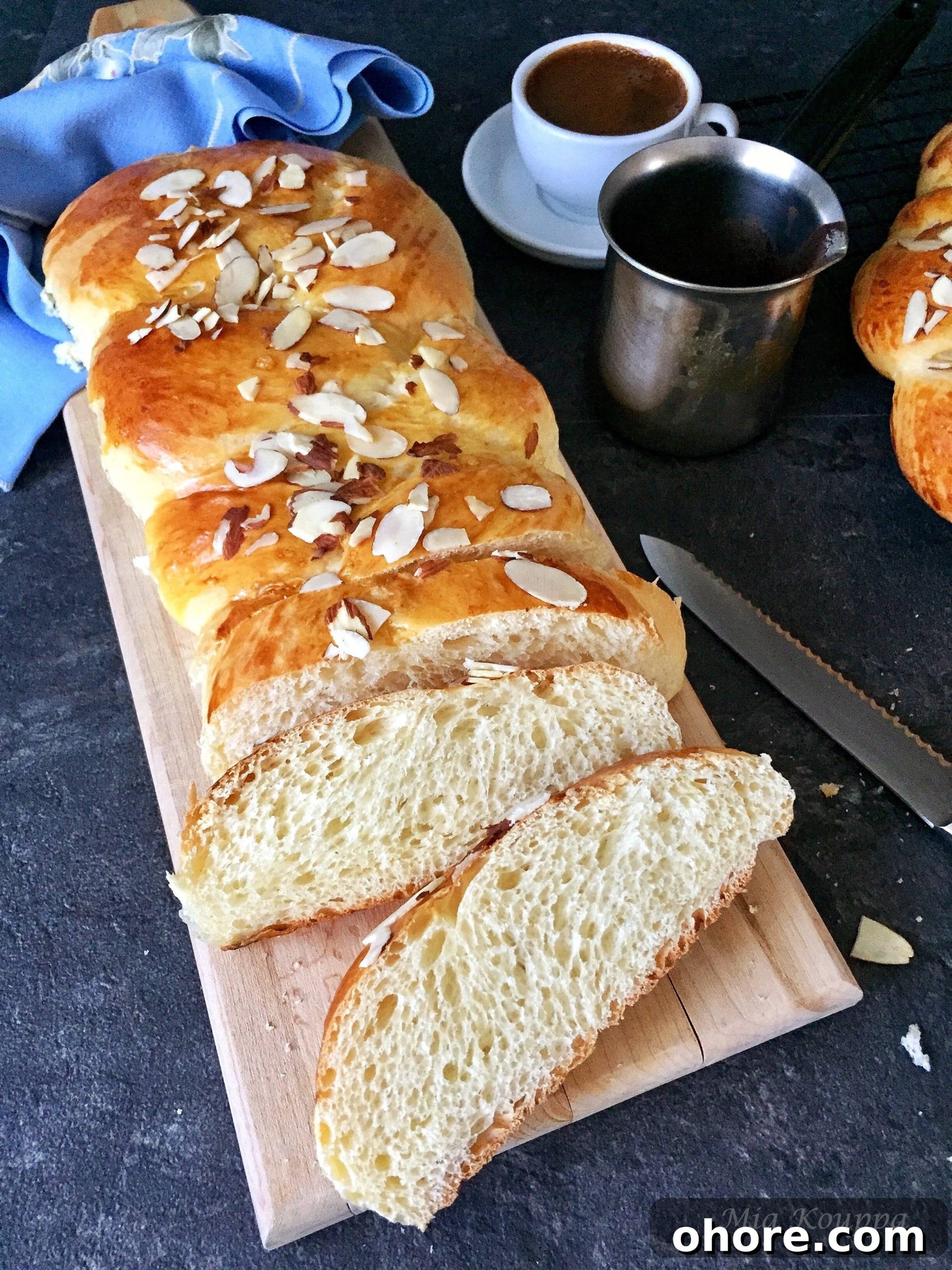
The fluffiest, most delicious Greek tsoureki—made especially for Easter. This traditional sweet Easter bread is flavored with masticha and mahlepi and braided before baking. A clear, reliable recipe you’ll return to year after year.
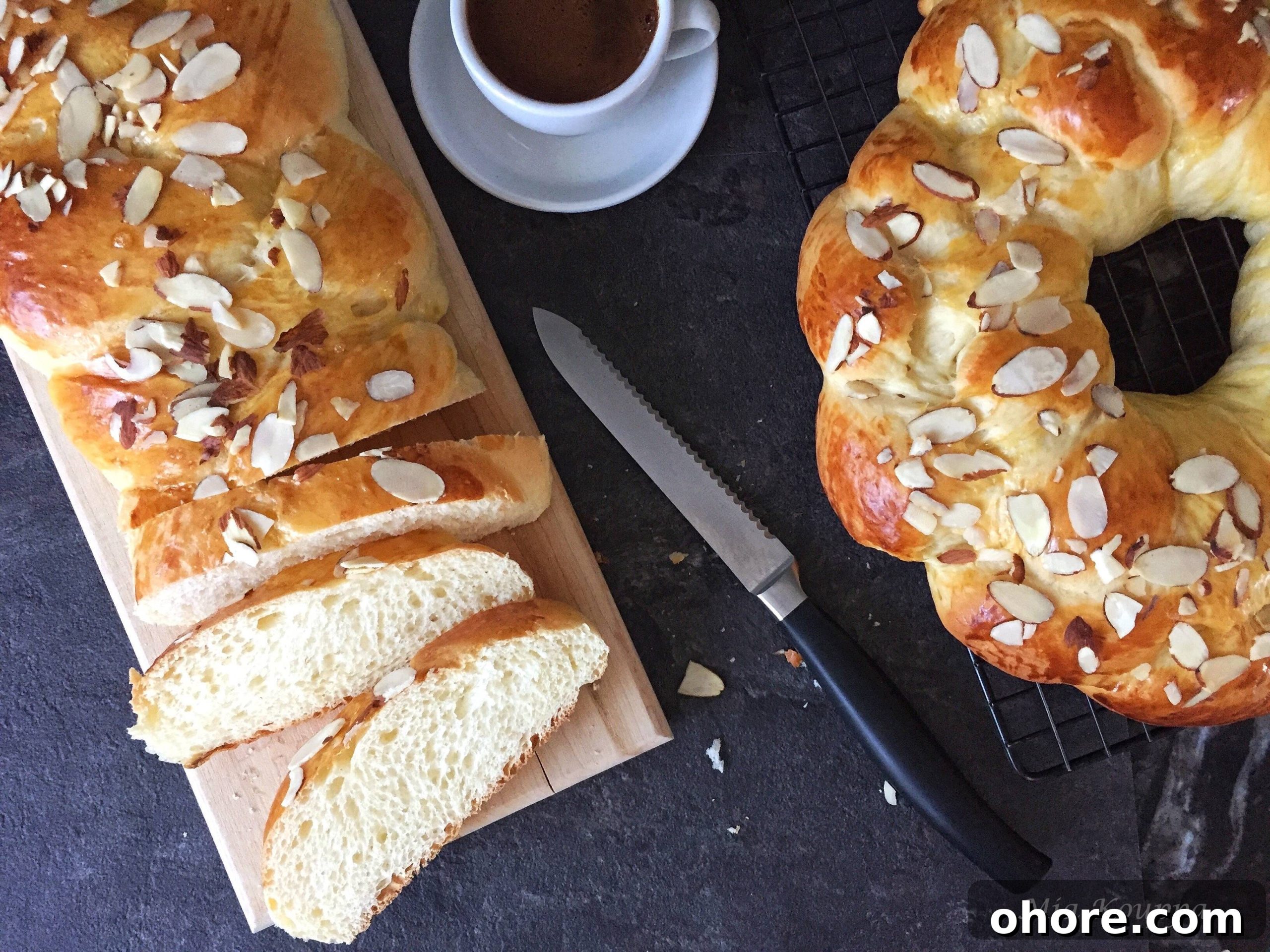
For many Greek families, Pascha (Orthodox Easter) is the most important time of year. The season includes fasting during Great Lent, preparing traditional dishes, and celebrating with recipes passed down through generations. Alongside Lazarakia buns for Lazarus Saturday and galatopita for Easter Sunday, tsoureki is an essential part of the holiday table.
Why this recipe is great
It’s reliable
Numerous home bakers tell me they finally succeeded with tsourekia using this method. The recipe is written clearly, with practical tips and step-by-step instructions. Follow it and you’ll get consistent results, even if you’re not an experienced baker.
Perfect texture
This tsoureki is soft, tender and feather-light—definitely not dry. Proper hydration, gentle mixing and the right rising times deliver the characteristic fluffy crumb.
Balanced flavor
Mahlepi and mastiha are the signature aromatics here. They lend a unique, nuanced fragrance so the bread tastes distinctly like tsoureki—not just sweet bread. The sweetness is restrained, allowing those aromatics to shine.
Makes six loaves
This recipe yields six braided loaves—enough to share with family and friends. Tsoureki freezes very well if you need to store extras; see ideas below for using leftover bread.
Key ingredients
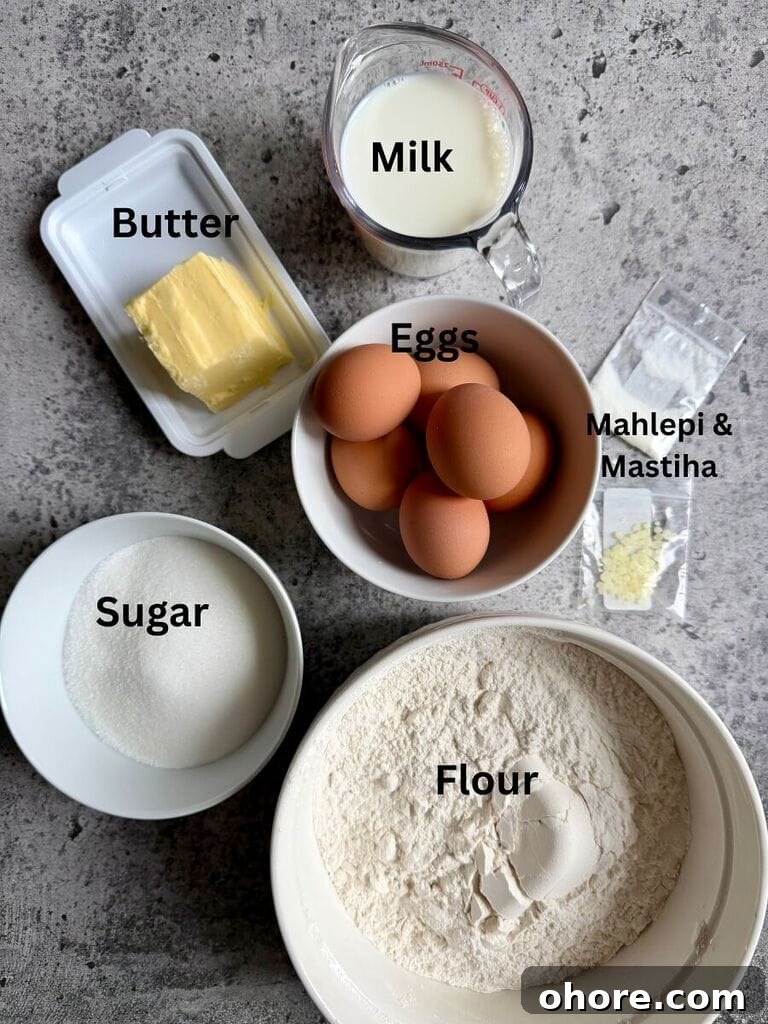
Flour — Use high-gluten or good quality all-purpose flour for the best structure.
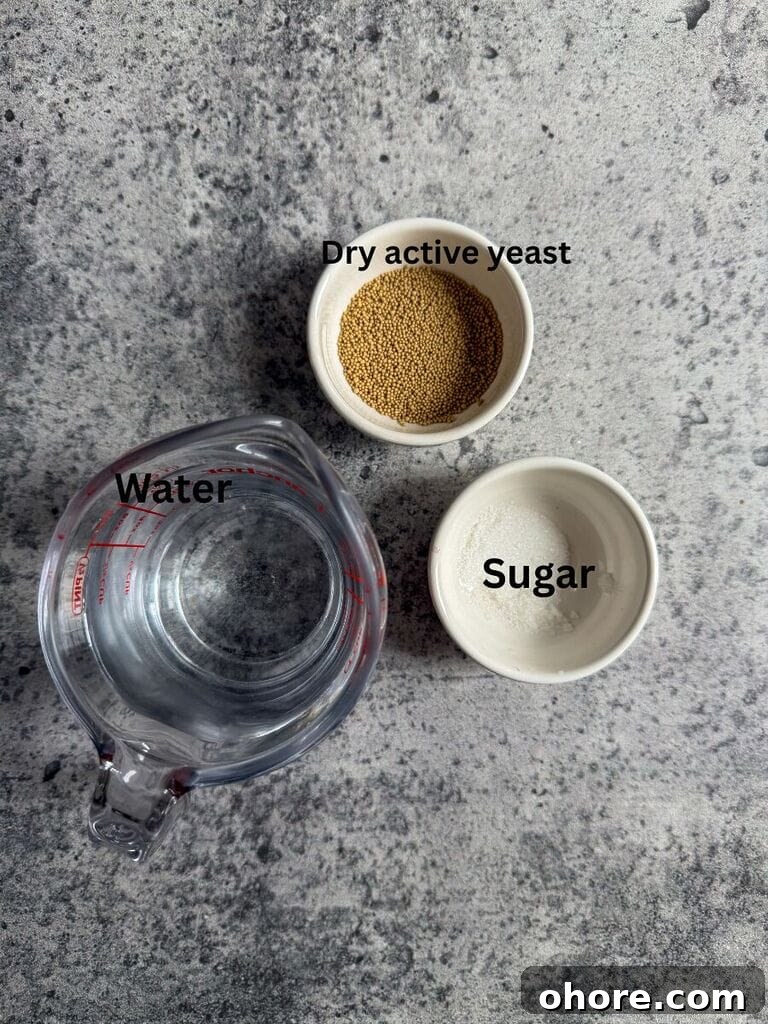
Active dry yeast — Check the expiration date and activate properly to ensure a good rise.
Eggs — Large eggs are used in the dough and egg yolks are reserved for the glossy egg wash.
Sugar — Granulated sugar sweetens the dough. Adjust if you prefer a sweeter loaf.
Butter — Unsalted butter adds richness and tenderness.
Milk — Lukewarm whole milk gives the best texture; 2% also works. Avoid skim.
Masticha (mastiha) — Resin from the mastic tree (Chios) with a distinctive, slightly piney-sweet aroma.
Mahlepi — Ground seed of a cherry stone with a warm, nutty, aromatic flavor essential to authentic tsoureki.
Sesame seeds or sliced almonds — For topping the loaves; sesame is a great nut-free option.
How to make it
Step 1
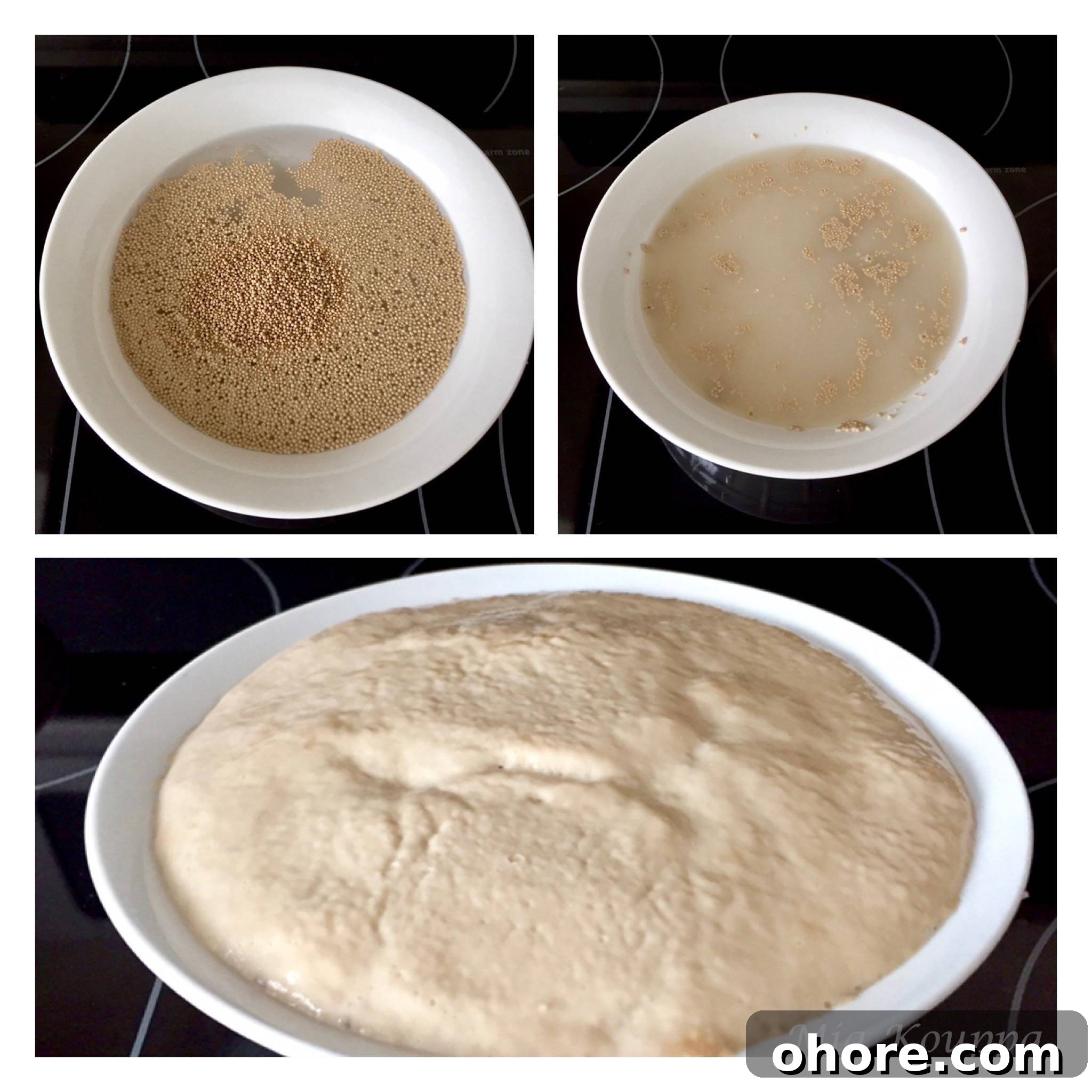
Combine warm water and a little sugar, sprinkle in the active dry yeast and stir gently. Let sit for about 30 minutes until bubbly and foamy—this confirms the yeast is active.
Step 2
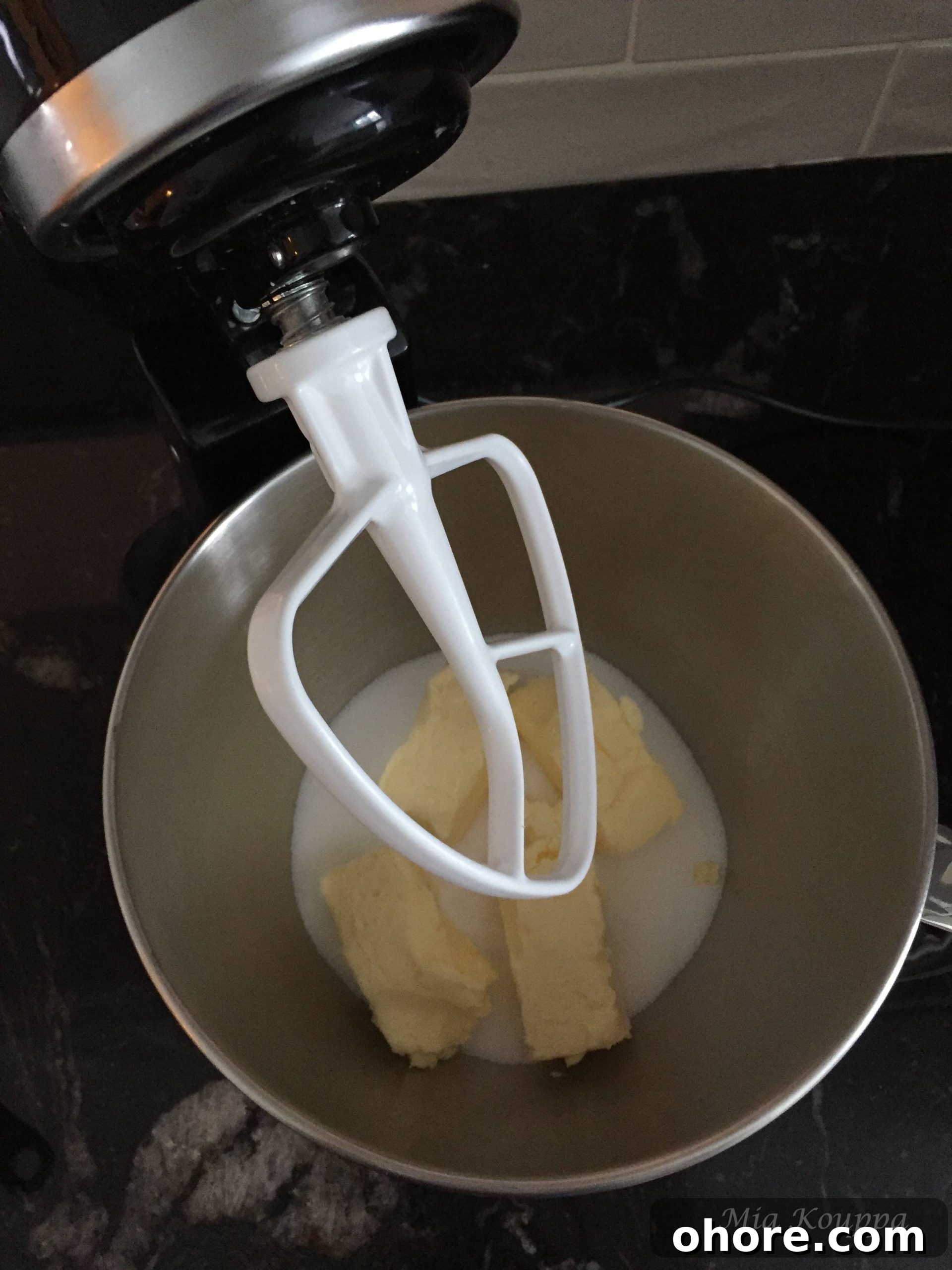
In a mixer beat the sugar and butter until pale and fluffy, about 3–5 minutes. Stop once the mixture is light.
Step 3
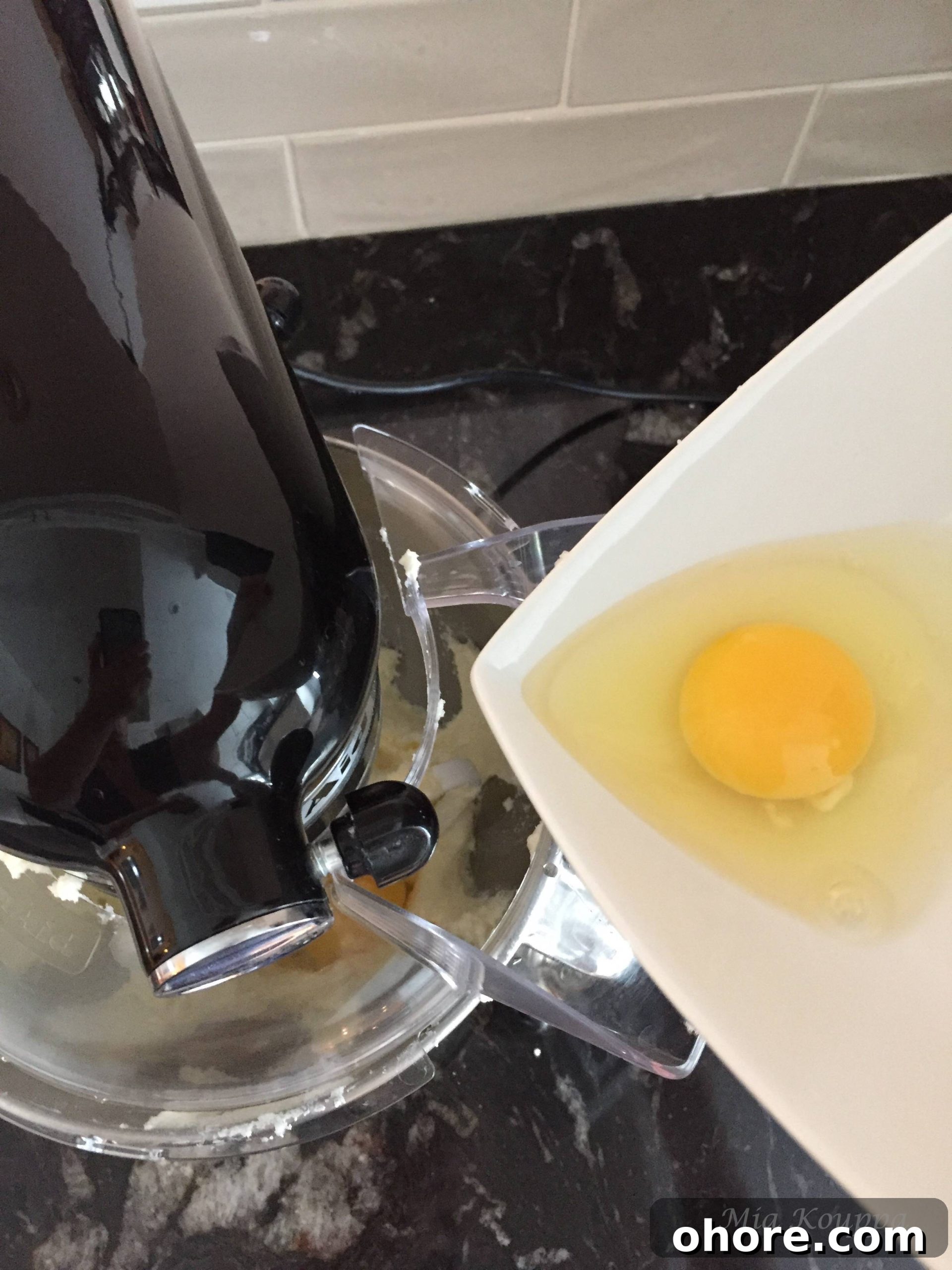
Add eggs one at a time, mixing after each. Reduce speed and add lukewarm milk, crushed mastiha, ground mahlepi and the risen yeast mixture. Mix until combined.
Step 4
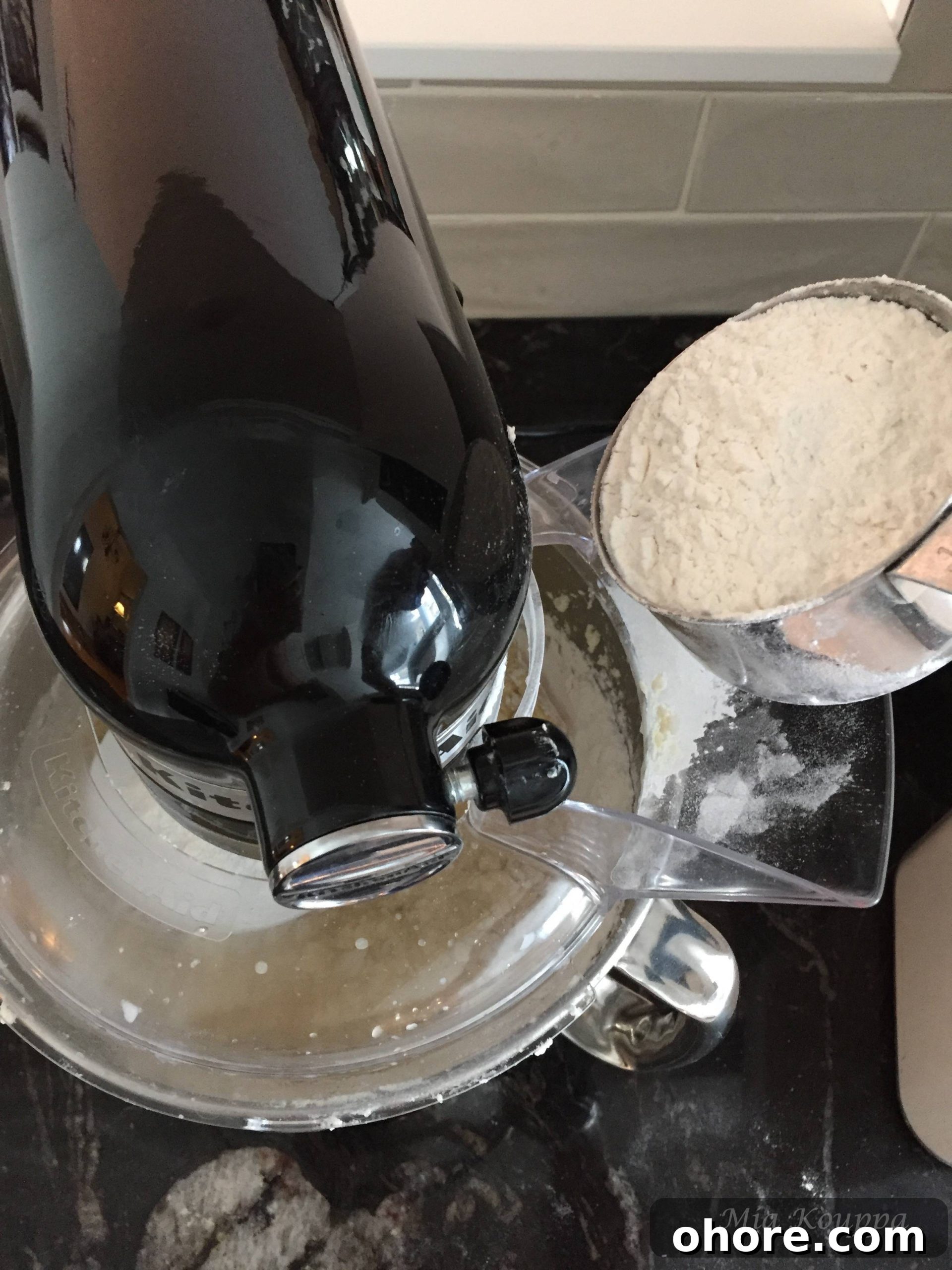
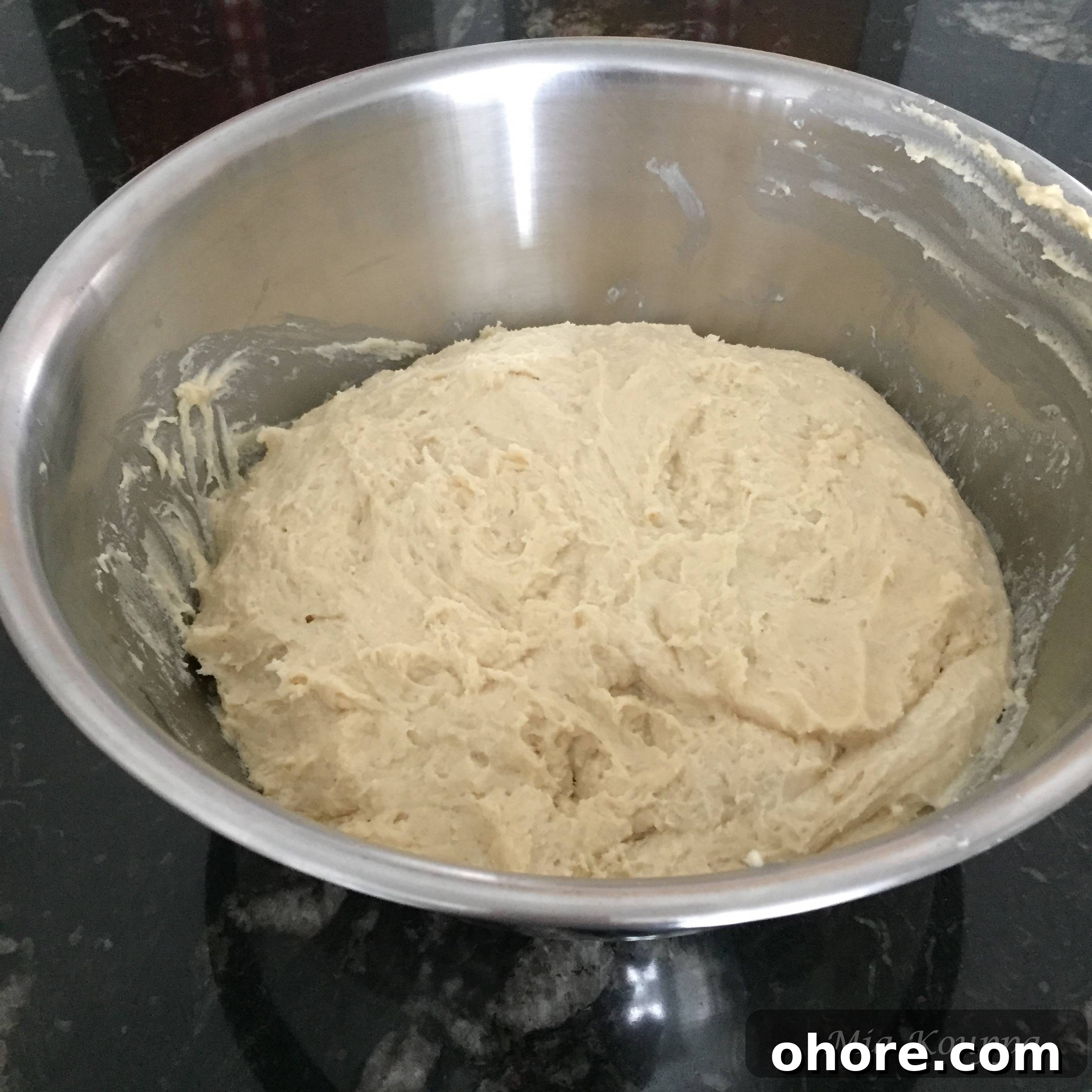
Add flour one cup at a time, mixing until just combined after each addition. Use a stand mixer with a dough hook or knead by hand. You’ll use about 8 cups of flour. The dough should be soft, stretchy and slightly sticky.
Step 5
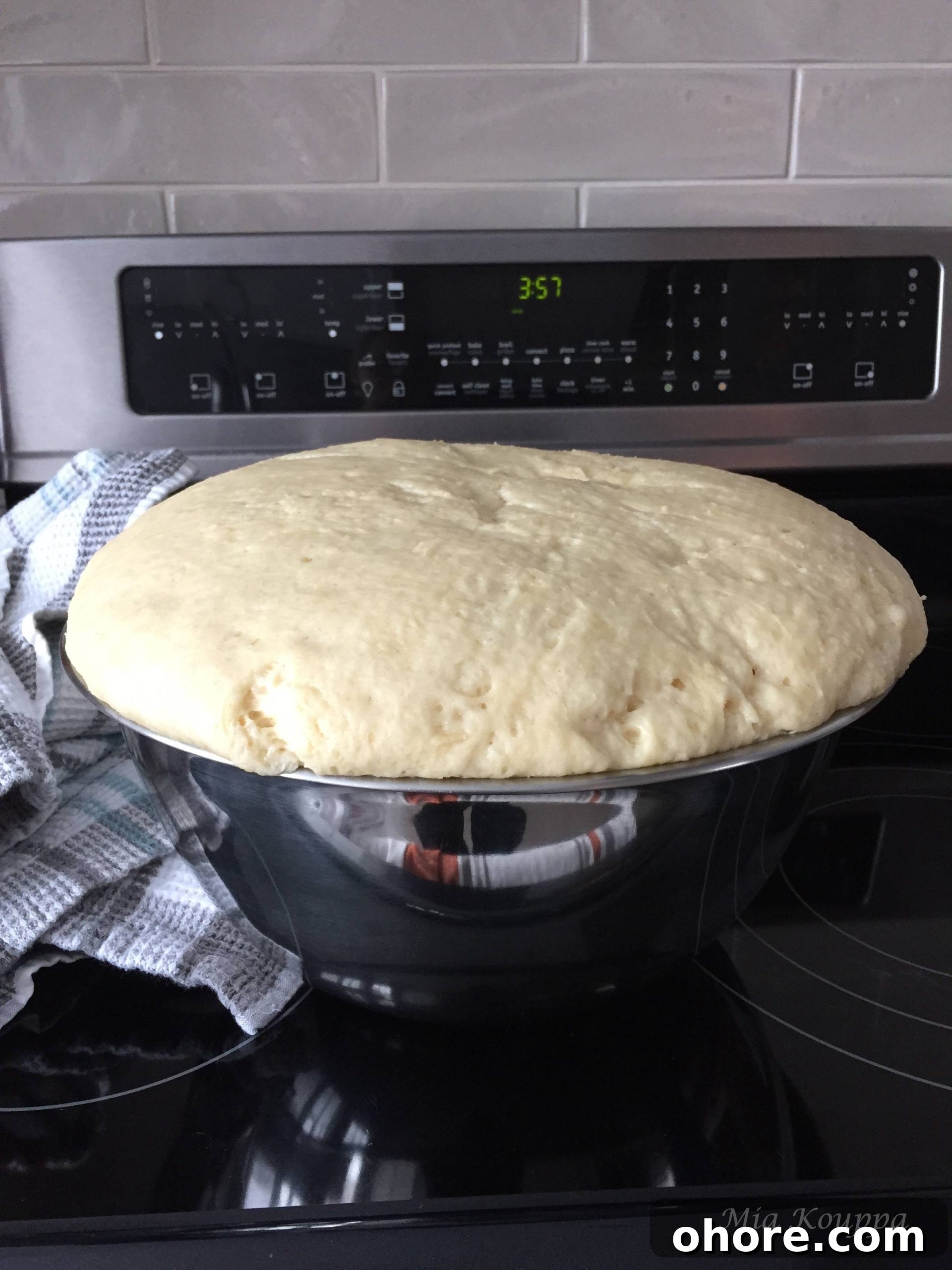
Place the dough in a large bowl, cover with towels and let rise in a warm place until doubled. This can take 3–4 hours depending on room temperature.
Step 6
Punch down the risen dough. It will be sticky—that’s normal. Divide into six equal portions (about 400 g each). Let the portions rest 20 minutes, then divide each into three balls and shape each ball into a long rope. Oil your hands or lightly flour the surface to manage stickiness.
Step 7
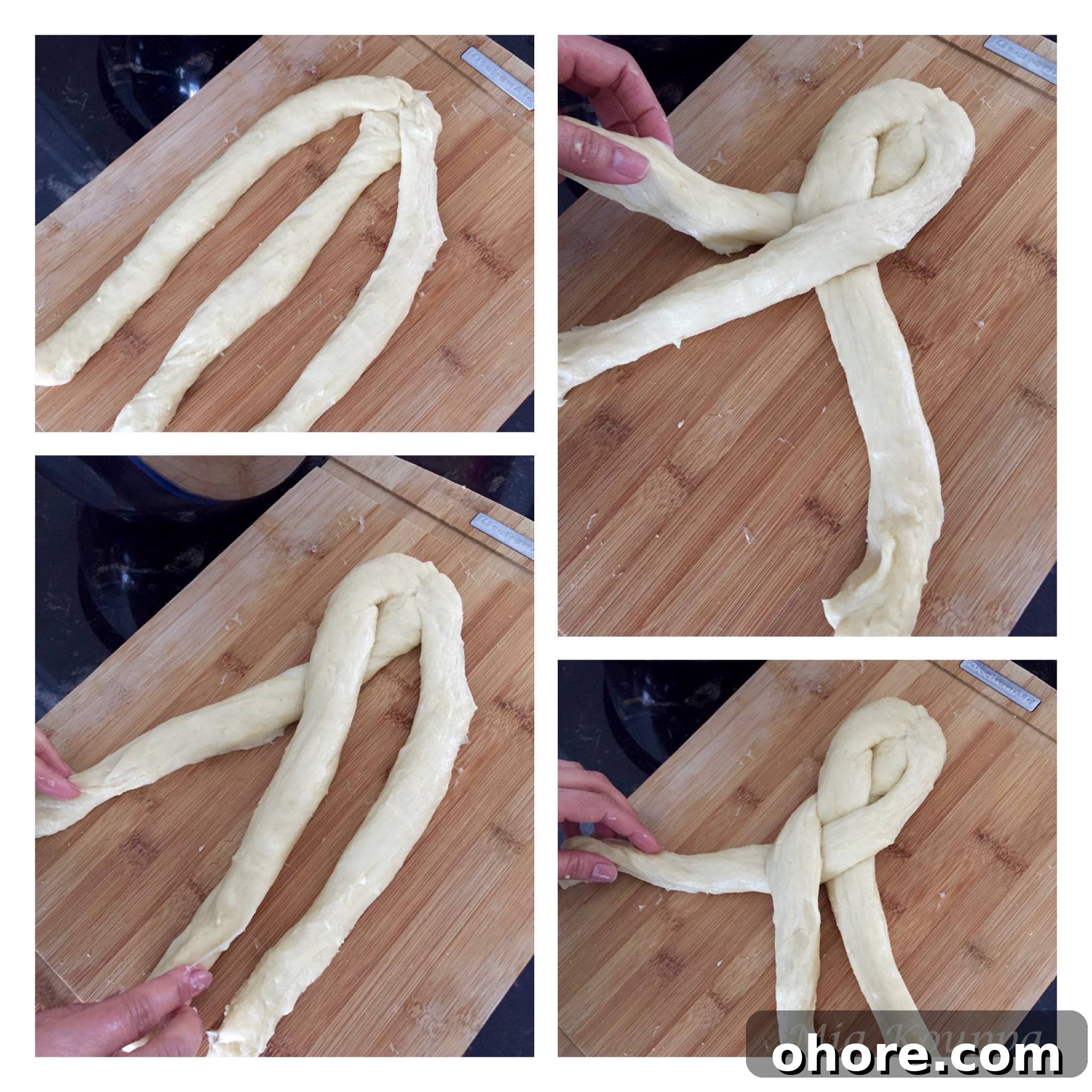
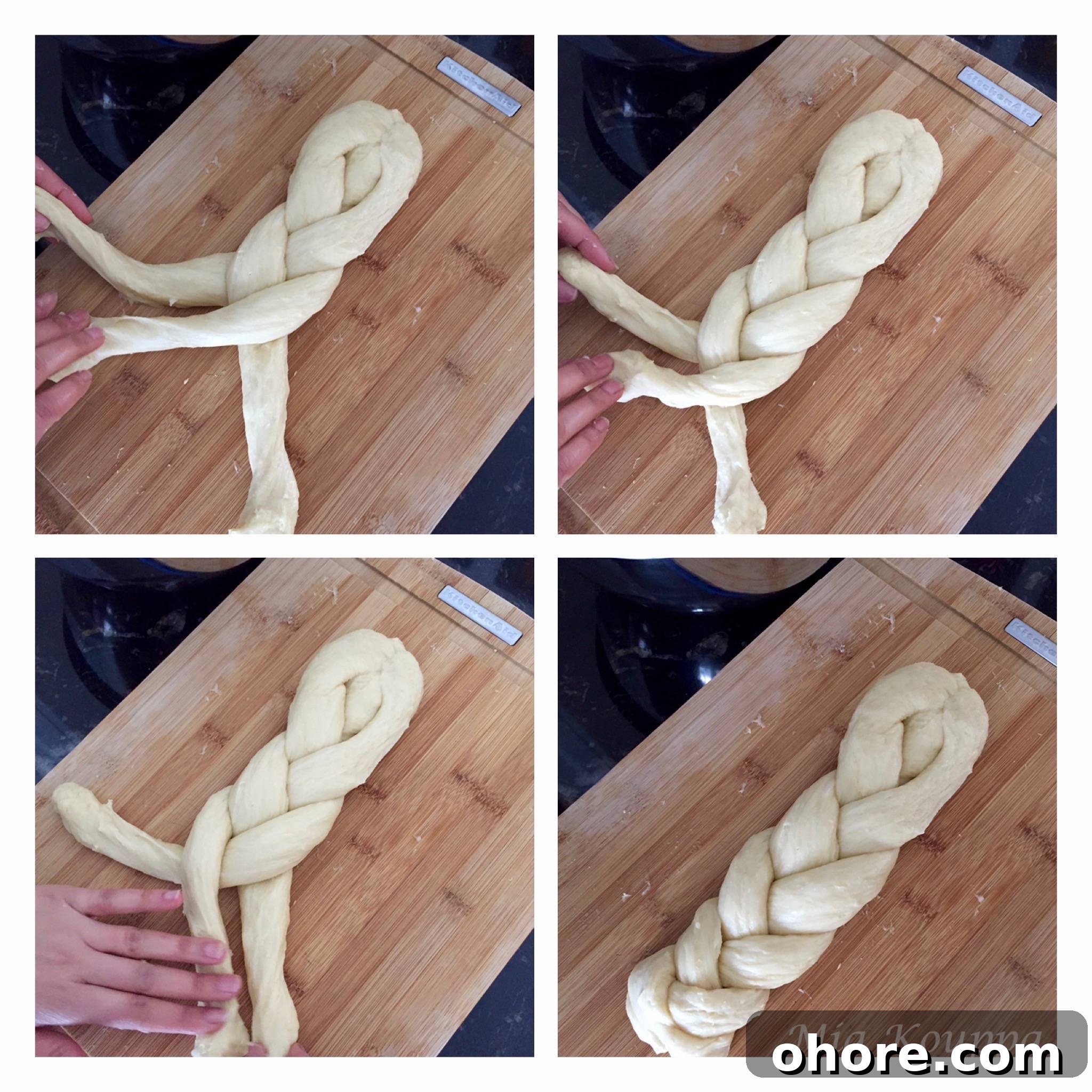
Pinch three ropes together at one end and braid: right over middle, left over new middle, repeat until the end, then pinch to seal. Place on parchment-lined baking sheets. Cover and allow the braided loaves to rise 2–3 hours in a warm, draft-free spot. They may soften in shape during the second rise but will remain light inside.
Preheat oven to 350°F (175°C).
Step 8
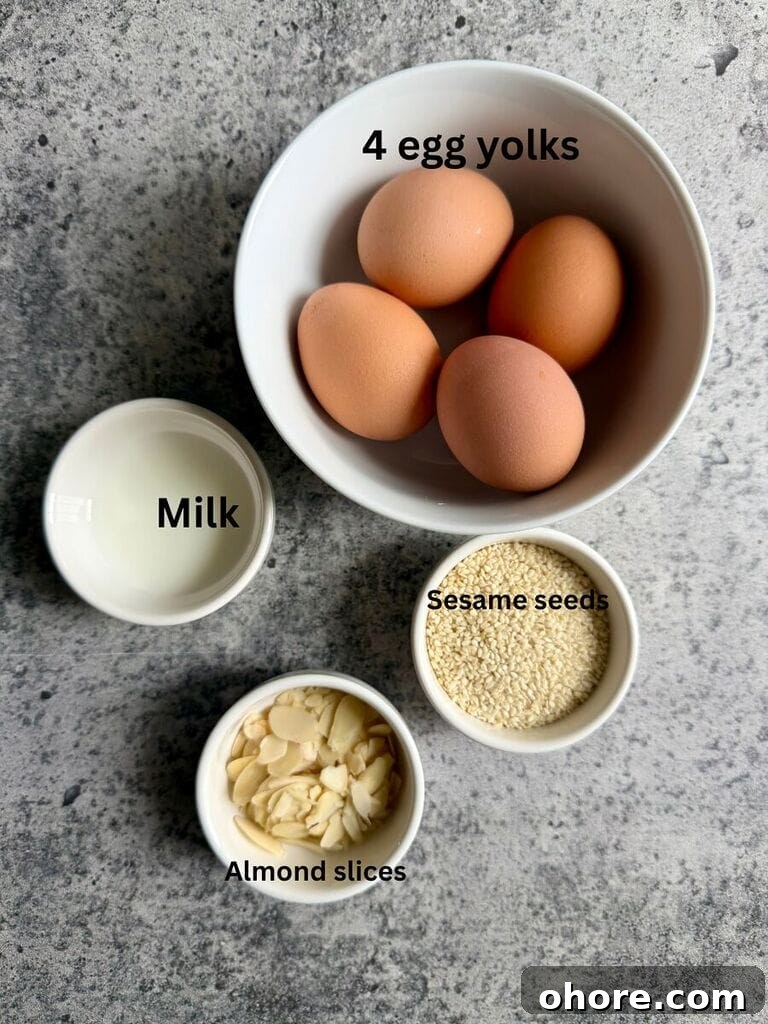
Whisk 4 egg yolks with 1 tablespoon milk and brush over the loaves. Sprinkle with sesame seeds or sliced almonds. Bake in the center of the oven for 20–25 minutes until golden, watching carefully to avoid burning.
Recipe variations
Add 2–3 tablespoons grated orange zest for a citrus note if you like. You can also shape the dough into rolls or place dough balls in muffin tins to make tsoureki muffins—great for sandwiches or smaller servings.
Baking tips
Activate yeast properly
Use lukewarm water around 100–110°F (38–43°C). If you can’t measure temperature, the water should feel warm, not hot. Let water sit at room temperature for a while if needed.
Check yeast activation
Activated yeast will form bubbles and a foamy layer within 5–30 minutes. If not, discard the yeast and start again with fresh yeast and proper water temperature.
Lukewarm milk
Measure milk and leave it at room temperature for a couple of hours, or warm gently to lukewarm. Whole milk or 2% works best; avoid skim.
Finding mahlepi and mastiha
Mahlepi and mastiha can be seasonal in local markets. If you can’t find them nearby, they are often available from specialty suppliers. Use the ground form as specified in the ingredient amounts.
Don’t worry if the mixture looks curdled
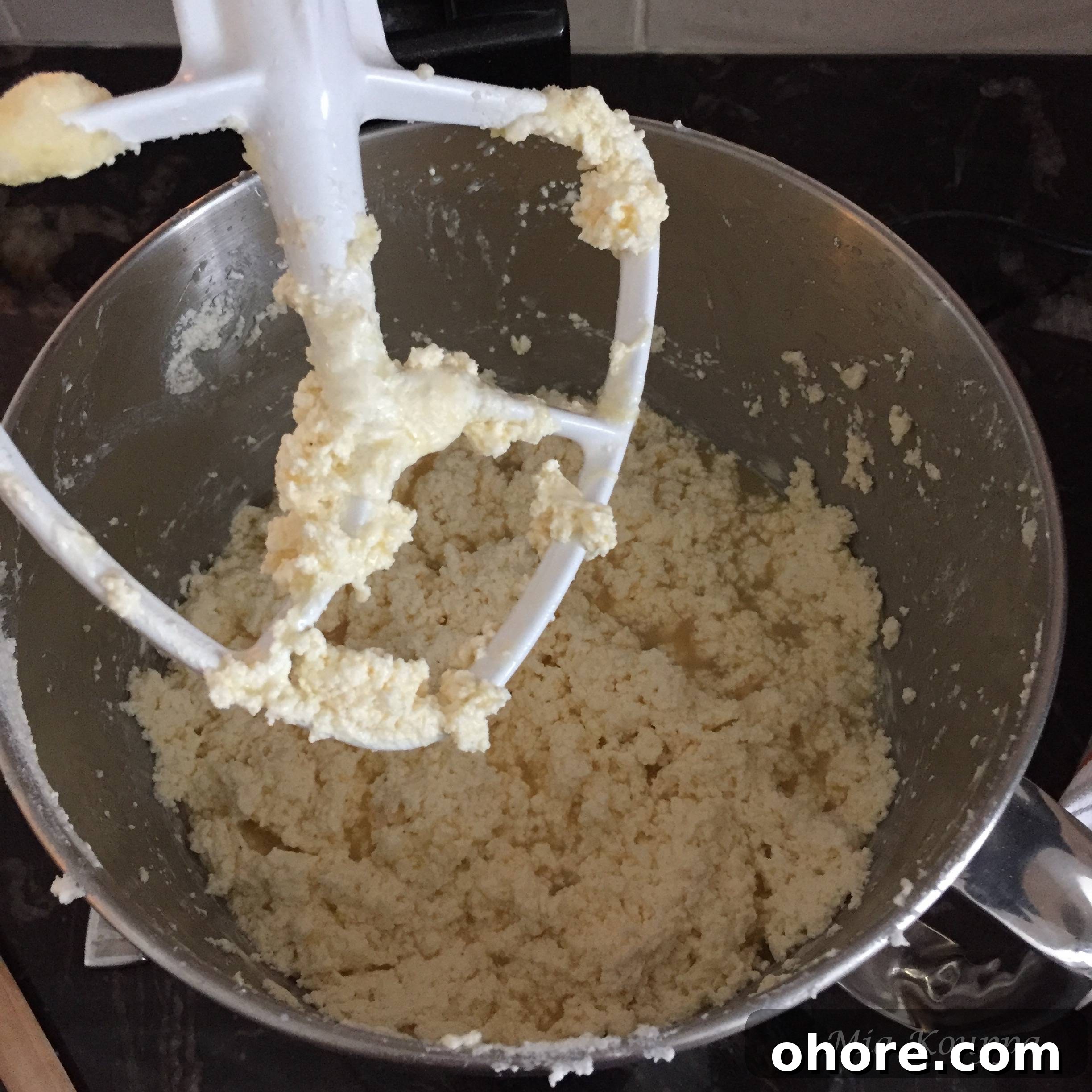
When you add eggs and milk to butter, the mixture may look curdled if the eggs are a bit cold. This is common and won’t affect the final bread—keep going and the dough will come together once flour is added.
Avoid overmixing
Mix only until wet and dry ingredients come together. Overmixing develops too much gluten and can make the bread tough.
Warm, draft-free rising spot
Place the dough where it’s protected from drafts and household traffic—on the stovetop with the oven light on or inside a switched-off oven works well.
How to store
Once cooled, store tsoureki in a sealed plastic bag at room temperature for several days. Refrigerate for up to a week or freeze tightly wrapped for longer storage.
More about tsoureki
Tsoureki is a sweet, enriched braided bread traditionally shared at Easter to break the Lenten fast. It’s often given as a gift from godparents to godchildren and served as a symbol of renewal. While similar in texture to challah, tsoureki’s defining flavors are mahlepi and mastiha, though families often add personal touches like orange zest or brandy.
About this recipe
This recipe came to our family from a trusted source and has become the version we use every year. It’s forgiving, straightforward and delivers consistently light, flavorful loaves. If previous attempts left you with dense or heavy results, this method will likely be a welcome change.
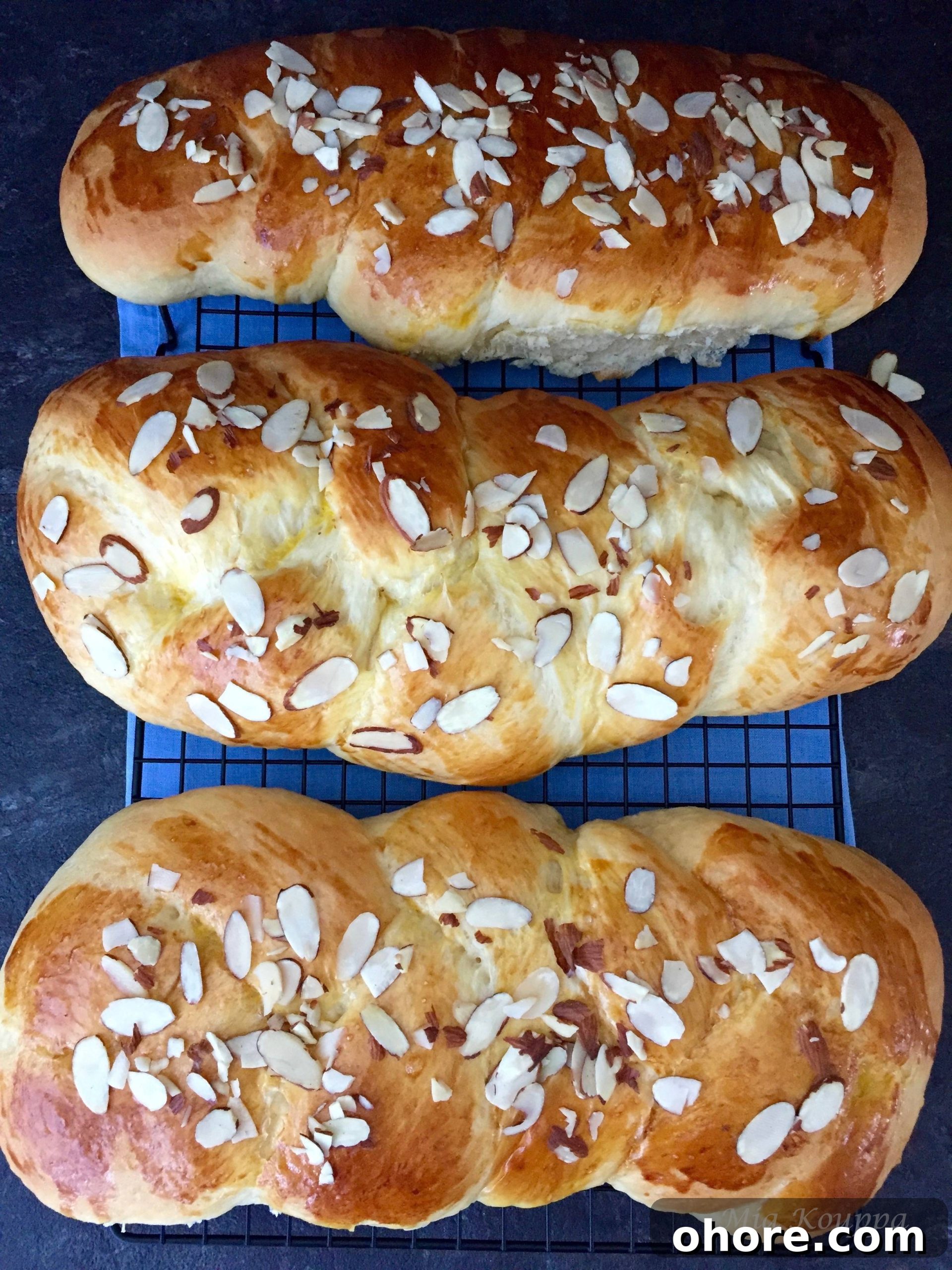
With practice you’ll learn to shape the ropes and braid confidently. The technique becomes faster and easier with a few loaves under your belt.
Frequently asked questions
How long does it take?
Active prep time is a few hours, but you’ll also allow rising time—plan for about 6–7 hours total including the two rises. Most of that is hands-off waiting time.
Why place a red egg in the braid?
A dyed red egg, traditionally added after shaping, symbolizes the blood of Christ and rebirth. The dough will rise around the egg so it stays in place when baked.
What yeast is used?
This recipe uses 24 grams of dry yeast and works with either active dry yeast or fast-rising yeast. Use fresh yeast and check the expiry date; old yeast won’t activate properly.
What makes tsoureki so special?
The distinct aroma and flavor of true tsoureki come from mahlepi and mastiha. Without them you’ll have a lovely sweet bread, but not authentic tsoureki.
What is mahlepi?
Mahlepi is the ground seed from the stone of the St. Lucie cherry. It has a nutty, floral aroma; grinding whole seeds fresh yields the best flavor.
What is mastiha?
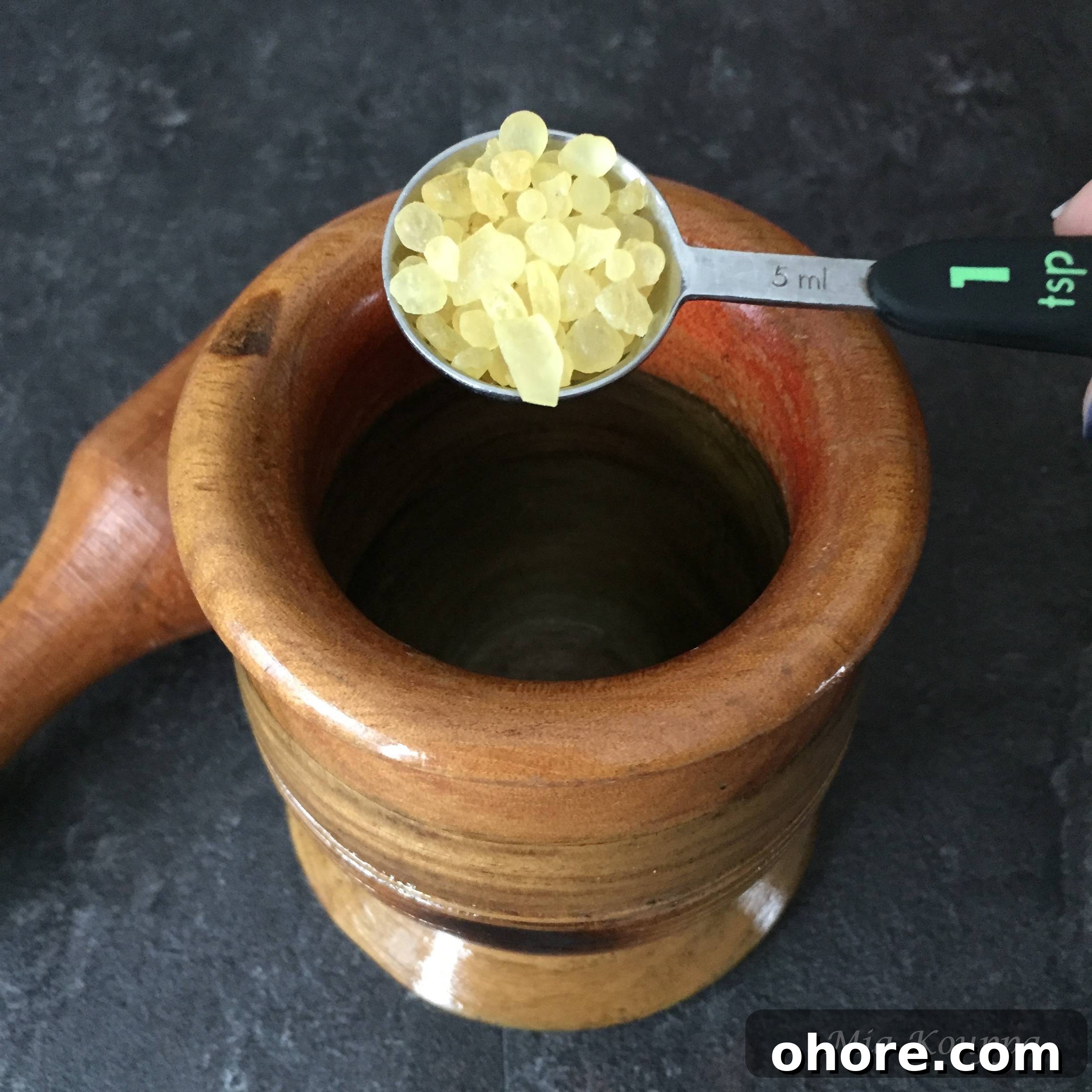
Mastiha (mastic) is the resin of the mastic tree from Chios. When ground it becomes a fine white powder with a unique, slightly pine-like sweetness. It’s also the basis for traditional chewing gum.
How to shape and braid
Shaping can be tricky because the dough is sticky. Rolling on a lightly floured surface works, but “air rolling” (shaping the ropes between your hands) is faster once you get used to it. Letting the dough rest about 20 minutes after dividing makes it more manageable. Practice makes perfect—watch a shaping demonstration if you need visual guidance.
Video – How to make tsoureki
Related recipes
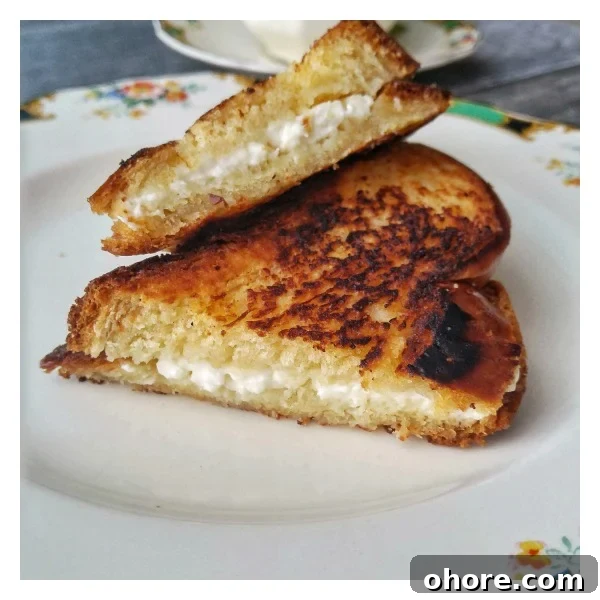
Ideas for using leftover tsoureki—turn stale loaves into french toast, bread pudding or grilled sandwiches for a delicious second life.


This post may contain affiliate links; we may earn a small commission at no extra cost to you.
Please leave a comment and star rating if you try the recipe—we appreciate the feedback!
Recipe
Tsoureki, Greek Easter bread
Print
Pin
Rate
Equipment
-
baking pan
-
Cooling rack
-
Stand mixer
-
Parchment paper
Ingredients
For the yeast mixture:
- 24 grams active dry yeast
- 1 cup warm water
- 1/2 teaspoon sugar
For the dough:
- 2 cups sugar
- 1 cup (½ pound) unsalted butter, room temperature
- 6 large eggs
- 1 cup whole milk, lukewarm
- 1 teaspoon crushed mastiha, or mastic
- 1 ½ teaspoons ground mahlepi
- 8 cups high gluten content flour, or all-purpose flour
For the egg wash:
- 4 egg yolks
- 1 tbsp milk
- sesame seeds or thinly sliced almonds for garnish
Instructions
-
Combine water and sugar, sprinkle yeast on top, mix gently and set aside for ~30 minutes until foamy.
-
Beat sugar and butter until pale and fluffy, about 3–5 minutes.
-
Add eggs one at a time, then add lukewarm milk, mastiha, mahlepi and the risen yeast. Mix to combine. It may look curdled briefly—that’s okay.
-
Add flour one cup at a time, mixing until just combined. Knead in a stand mixer or by hand until you have a soft, elastic, slightly sticky dough.
-
Cover and let the dough rise in a warm place until doubled, about 3–4 hours.
-
Punch down the dough, divide into six portions, let rest 20 minutes, then divide each into three balls and shape into ropes.
-
Braid each set of three ropes, place on parchment-lined sheets, cover and let rise 2–3 hours.
-
Preheat oven to 350°F (175°C). Mix egg yolks with 1 tbsp milk and brush on loaves. Sprinkle with sesame or almonds and bake 20–25 minutes until golden.
-
Cool slightly, then enjoy. Kali Anastasi!