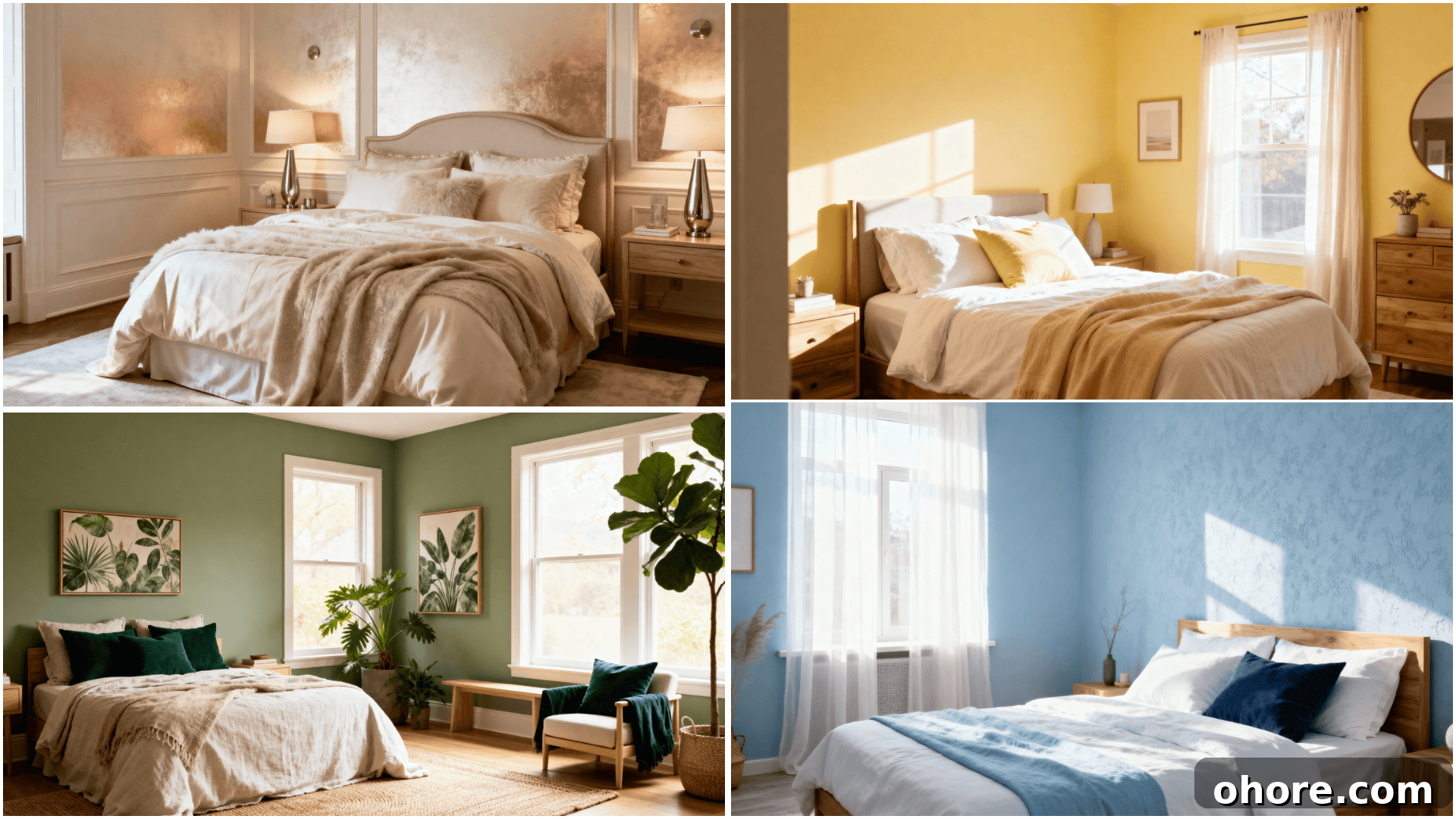
Your bedroom should be a personal retreat — a place to relax, recharge, and wake up feeling restored. The paint color you choose has a surprisingly powerful effect on sleep quality, mood, and overall calm. Selecting the right hue can help you fall asleep faster, wake more refreshed, and maintain a sense of peace throughout the day.
Beyond aesthetics, color influences the body and mind. From tranquil blues to restorative greens and soft neutrals, the best bedroom colors combine visual appeal with psychological benefits to create an ideal sleep sanctuary.
The Science Behind Paint Choices
Color affects emotions and physiology. Research in color psychology shows that certain shades trigger predictable responses in the brain and body. Cool tones such as blues and greens tend to reduce heart rate and blood pressure, promoting relaxation. By contrast, intense warm colors can raise energy and alertness. Recognizing these effects helps you select a palette that supports restful sleep and emotional balance.
The Best Bedroom Colors for Sleep and Relaxation
Choosing the right paint can turn a bedroom into a restful haven. Below are colors backed by psychological and design principles that encourage relaxation and better sleep.
1. Blue: The Ultimate Sleep-Promoting Color
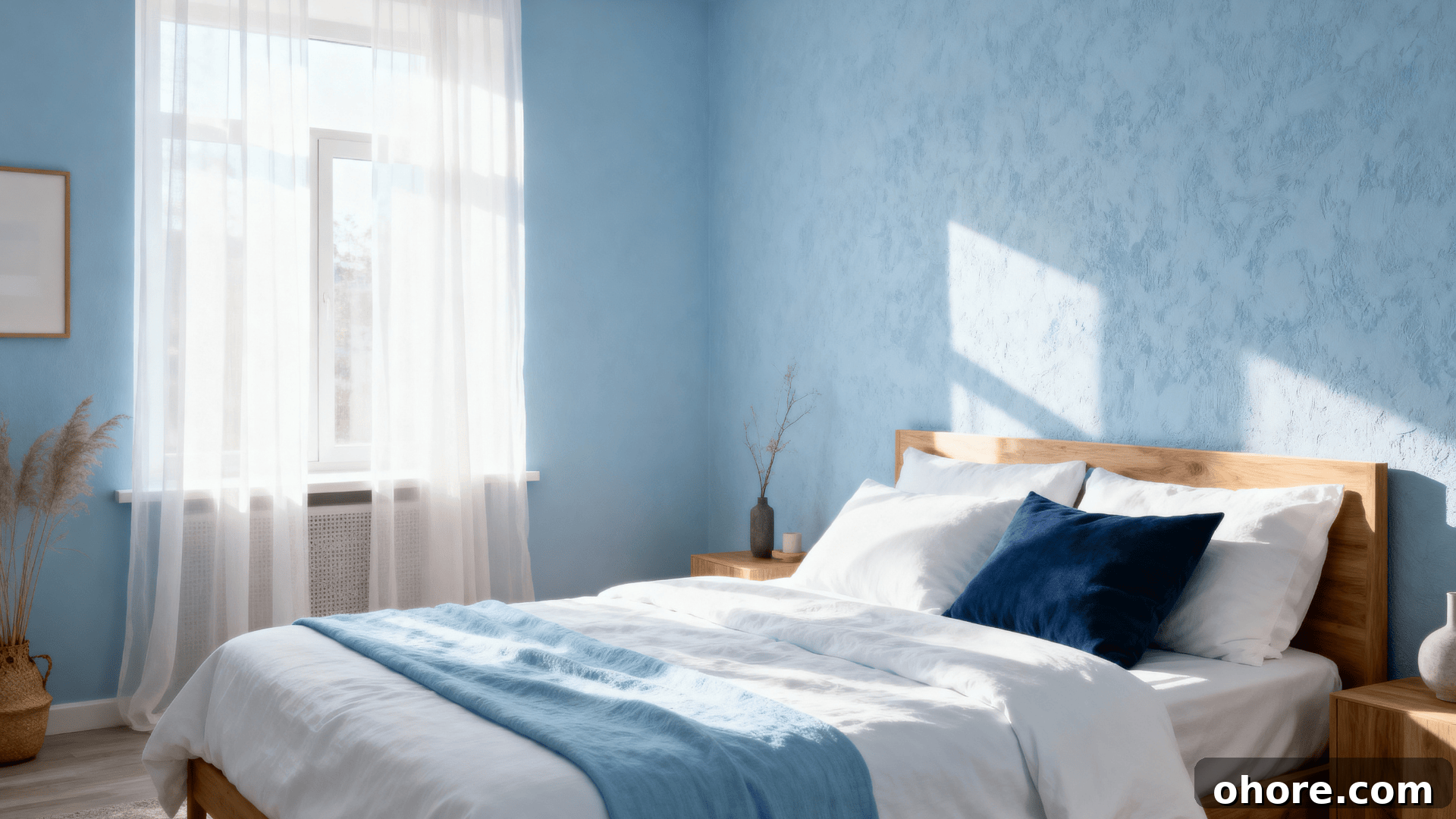
Blue is consistently linked with improved sleep quality. Softer blues create a light, calming environment while deeper navy tones add sophistication and depth without overstimulation.
- Paint options: Sea Salt (Sherwin-Williams), Old Blue Jeans (Benjamin Moore)
- Best for: people seeking better sleep or relief from insomnia
2. Green: Nature-Inspired Serenity
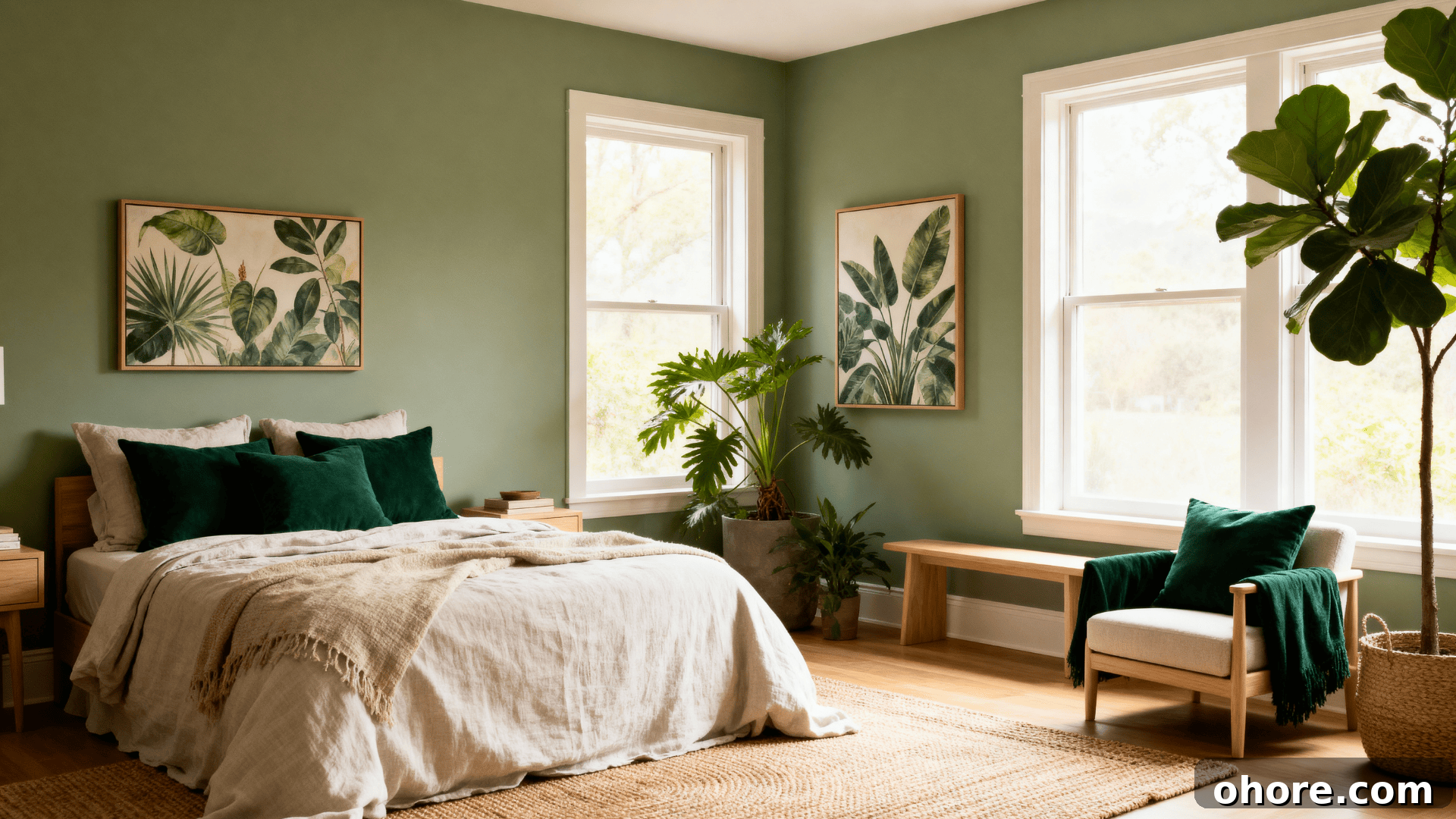
Green evokes the outdoors and fosters balance and renewal. Pale sage feels tranquil and restorative, while richer greens add warmth and depth while still connecting the room to nature.
- Paint options: Hollingsworth Green (Benjamin Moore), Prairie Willow (Valspar)
- Best for: nature lovers and eco-conscious interiors
3. Soft Neutrals: Timeless and Adaptable
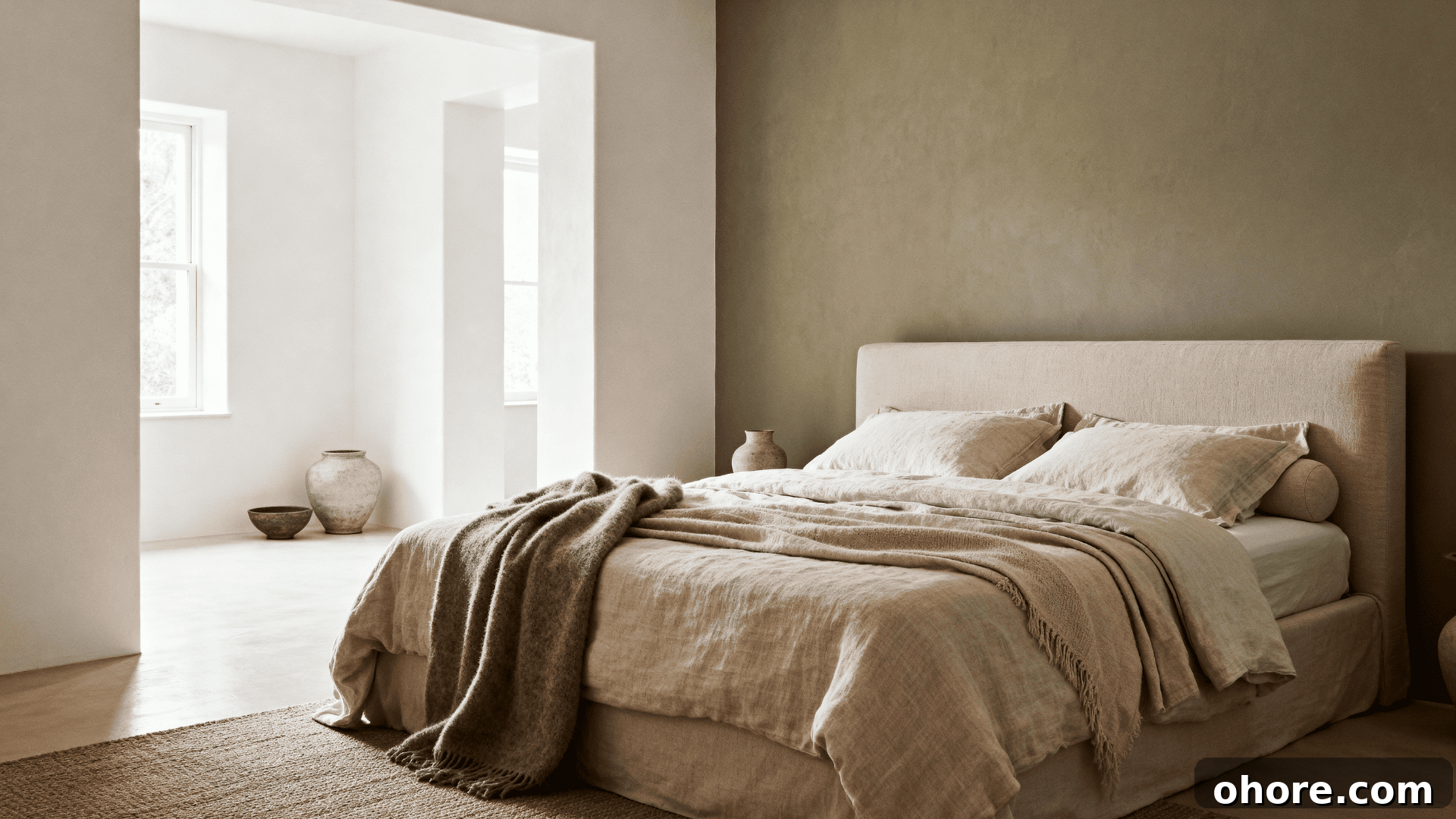
Neutrals deliver quiet simplicity and flexibility. Warm whites and greiges create clean, calming backdrops, make small rooms feel airier, and pair easily with varied decor styles.
- Paint options: Swiss Coffee (Benjamin Moore), Neutral Ground (Sherwin-Williams)
- Best for: guest rooms and minimalist interiors
4. Lavender and Soft Purple: Calming Refinement
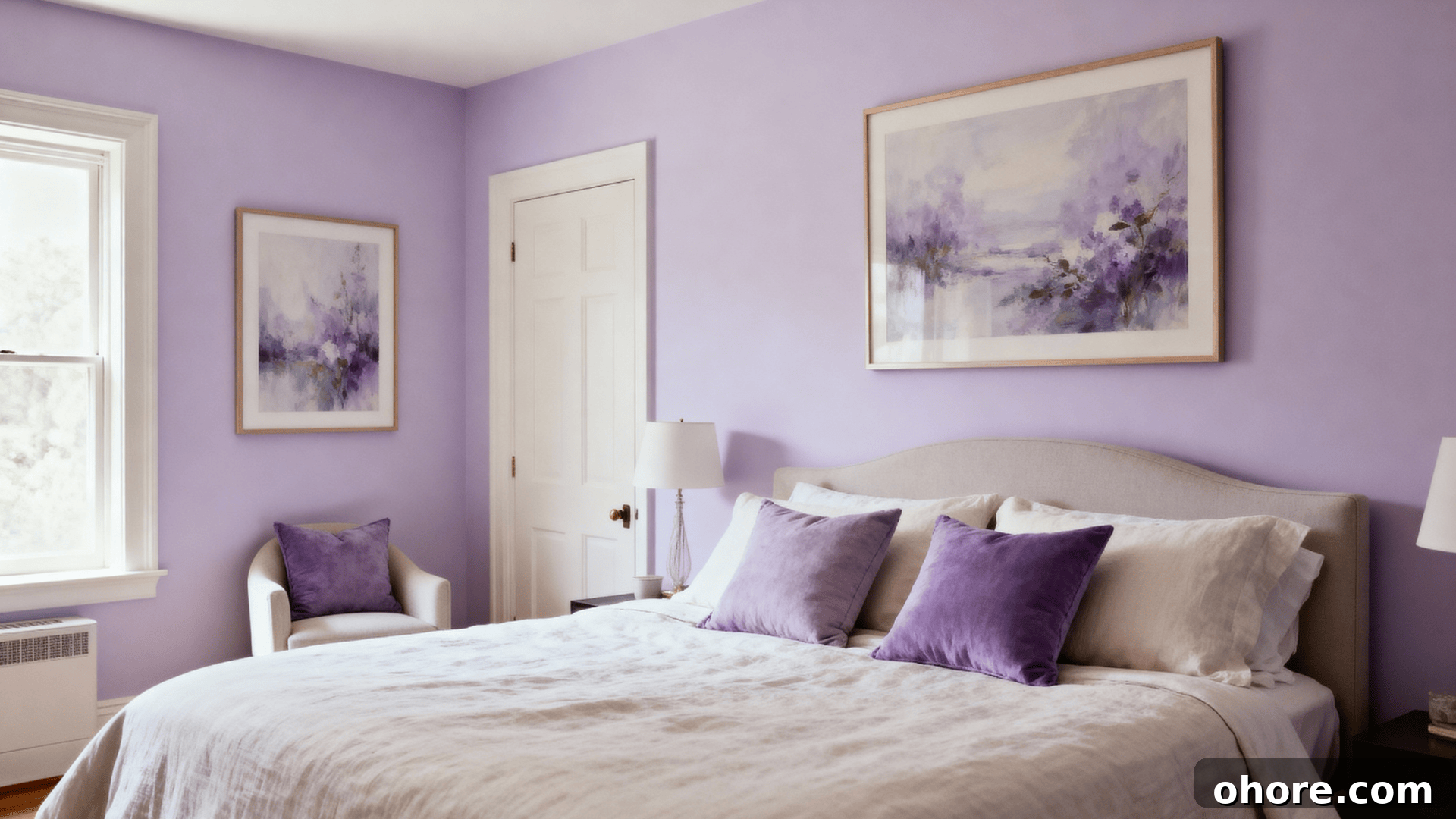
Light lavender soothes and reduces stress while adding a touch of elegance. Choose pale tones, as deeper purples may feel heavy and overly stimulating for rest.
- Paint options: Celestial (Sherwin-Williams), Misty (Benjamin Moore)
- Best for: romantic bedrooms and stress-relief spaces
5. Warm Whites and Creams: Cozy Style
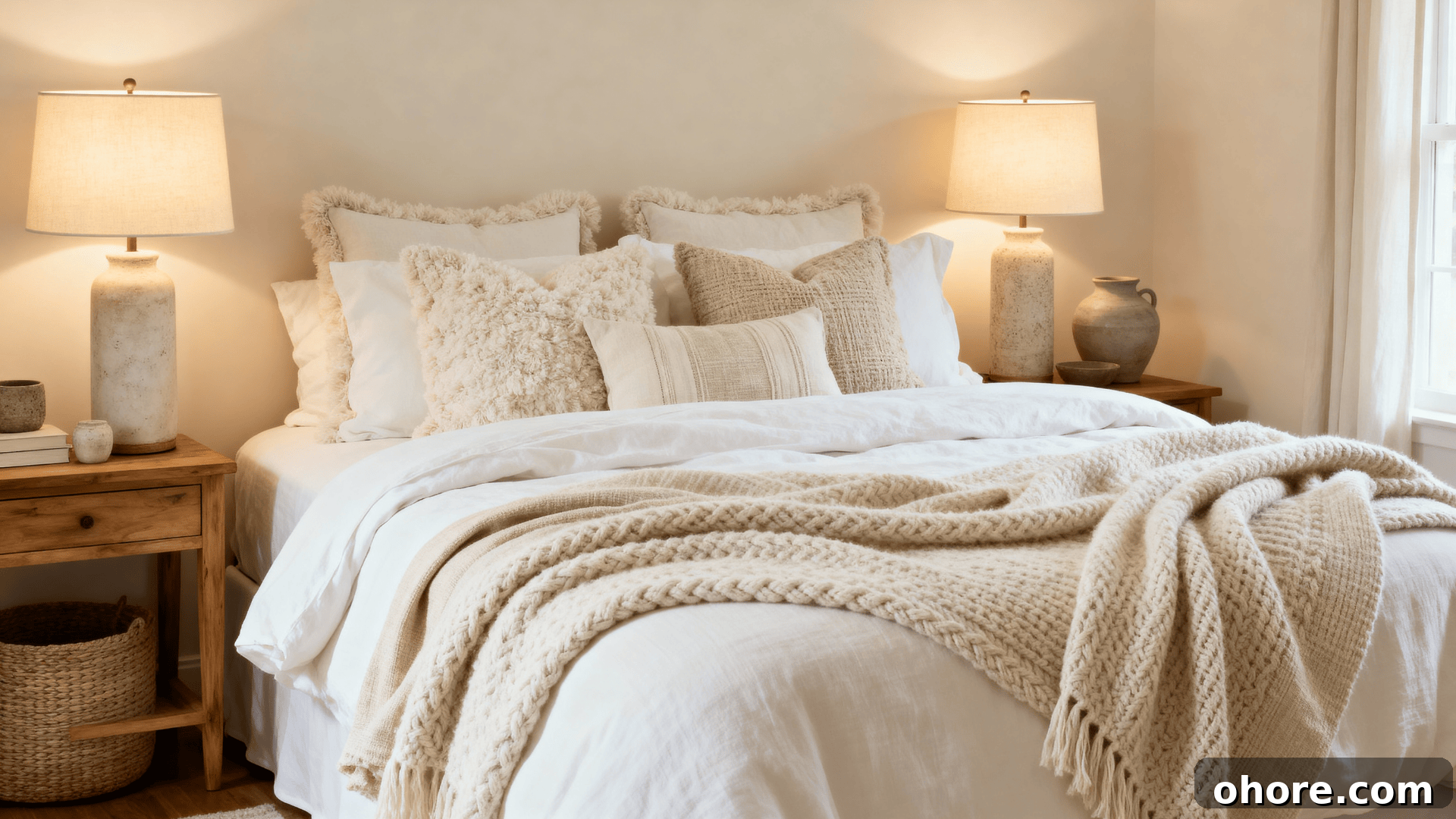
Warm whites create an inviting, soft atmosphere without feeling stark. These shades brighten a room while preserving a cozy, intimate feel that supports restful sleep.
- Paint options: Cloud White (Benjamin Moore), Simply White (Benjamin Moore)
- Best for: small rooms and versatile decor schemes
6. Soft Pink: Gentle and Romantic
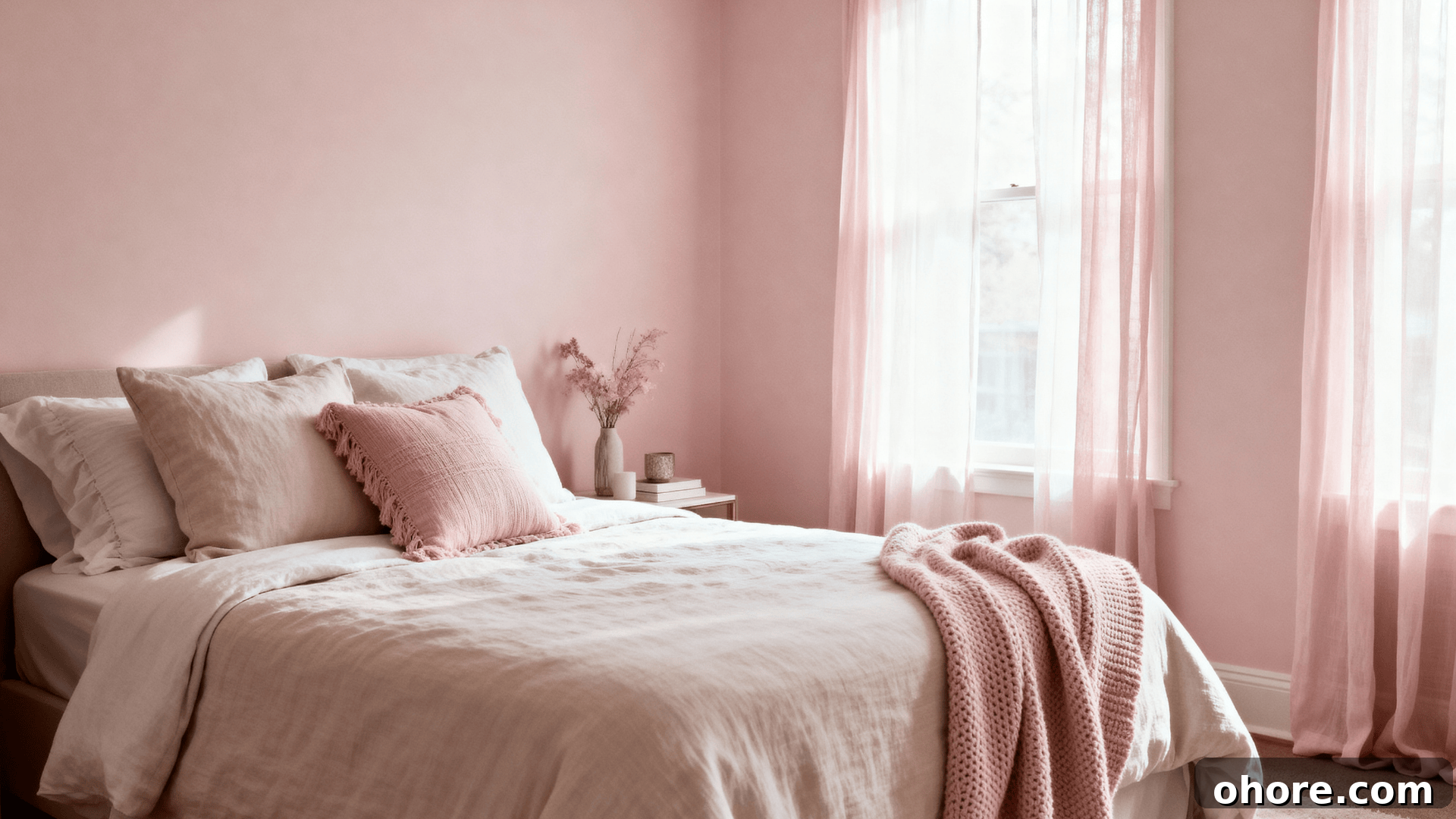
Pastel pink creates a nurturing, soothing vibe with a subtle romantic touch. It balances sweetness and sophistication for tranquil, personally meaningful spaces.
- Paint options: First Light (Benjamin Moore), Pink Bliss (Benjamin Moore)
- Best for: romantic bedrooms and children’s rooms
7. Soft Gray: Modern Tranquility
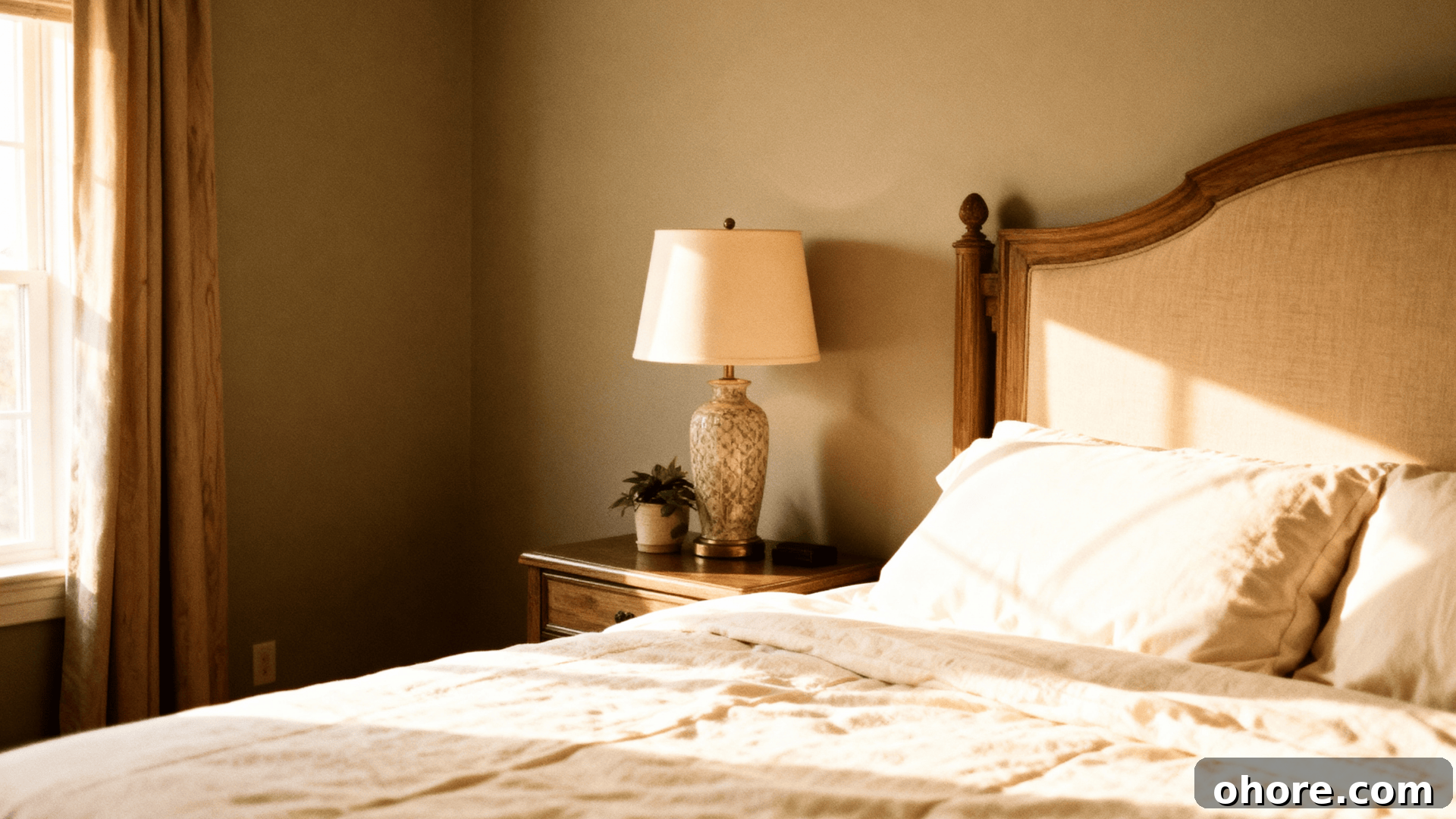
Light grays offer contemporary calm without feeling cold. They provide a sophisticated, grounding backdrop; darker grays add drama while still promoting rest when paired with warm accents.
- Paint options: Repose Gray (Sherwin-Williams), Pale Oak (Benjamin Moore)
- Best for: modern bedrooms and adaptable palettes
8. Pale Yellow: Sunny Warmth
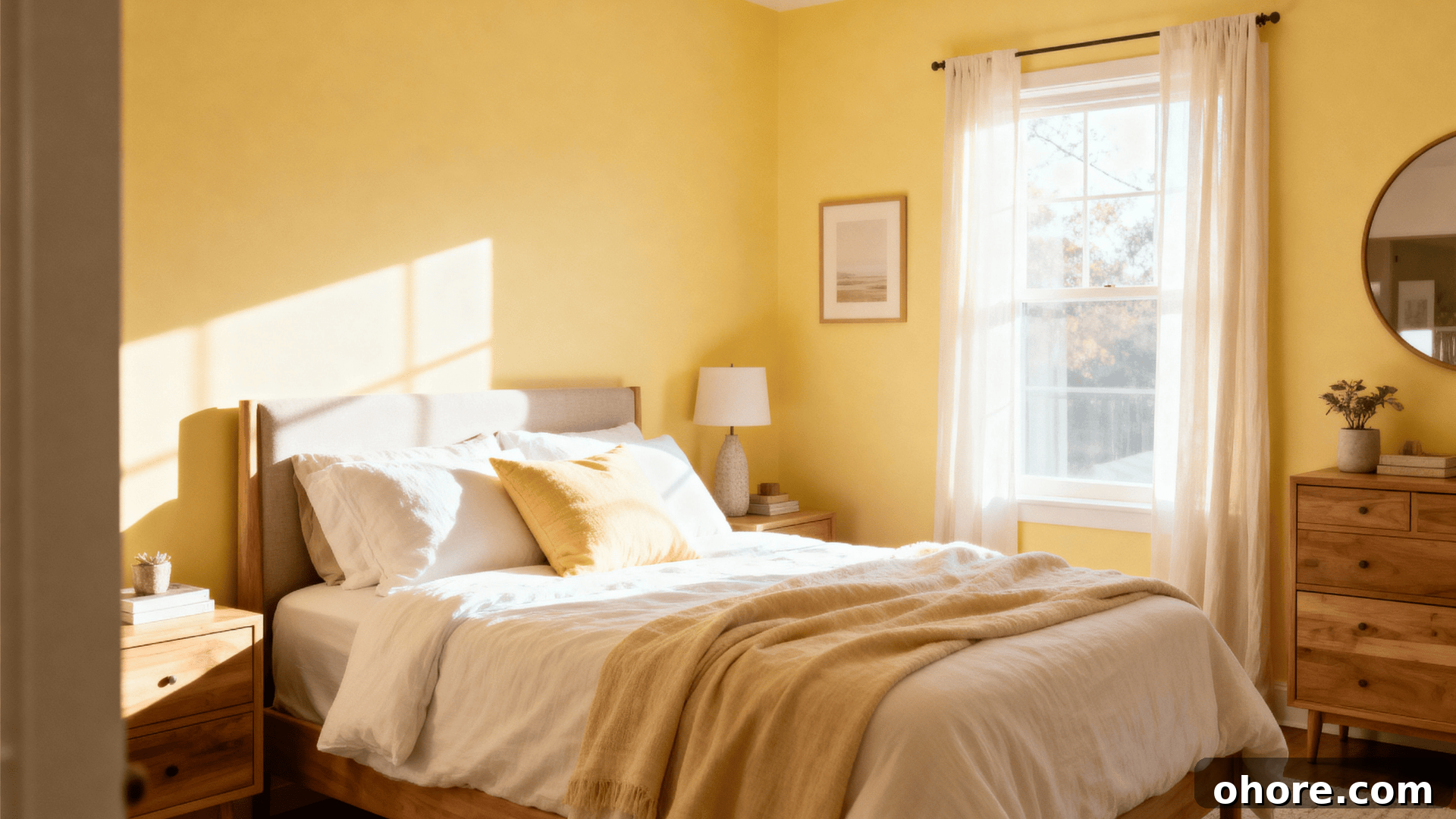
Soft buttery yellow brings gentle cheer without over-stimulation. Muted yellows lend warmth and morning energy while preserving a soothing environment for sleep.
- Paint options: Hawthorne Yellow (Benjamin Moore), Butter Up (Sherwin-Williams)
- Best for: darker rooms and morning people
9. Soft Aqua: Coastal Calm
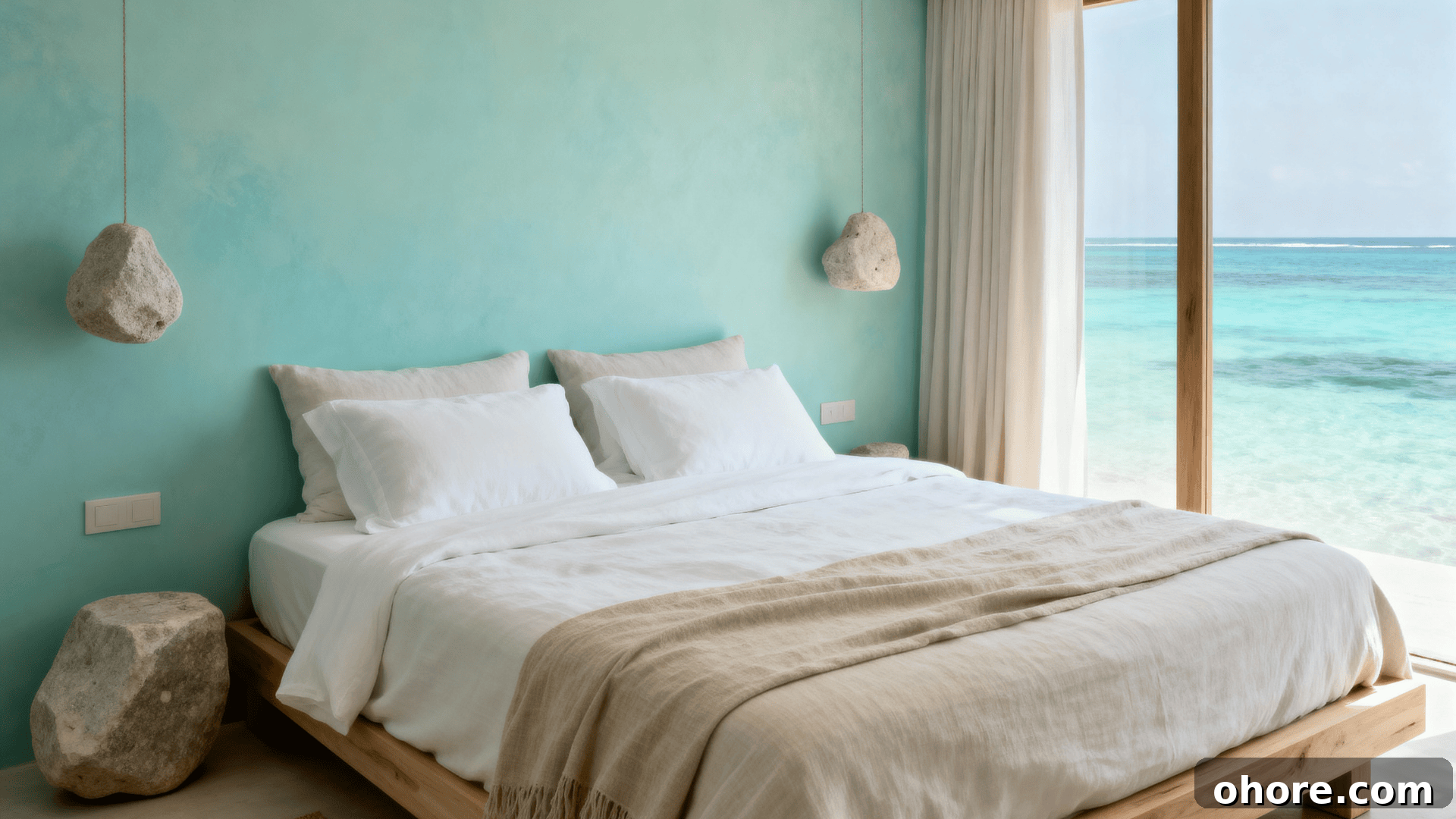
Pale aqua blends the calming qualities of blue with the renewal of green. It evokes a coastal, spa-like feel that helps melt away stress and cultivate restful clarity.
- Paint options: Palladian Blue (Benjamin Moore), Rainwashed (Sherwin-Williams)
- Best for: beach-inspired and spa-like bedrooms
10. Taupe: Earthy Style
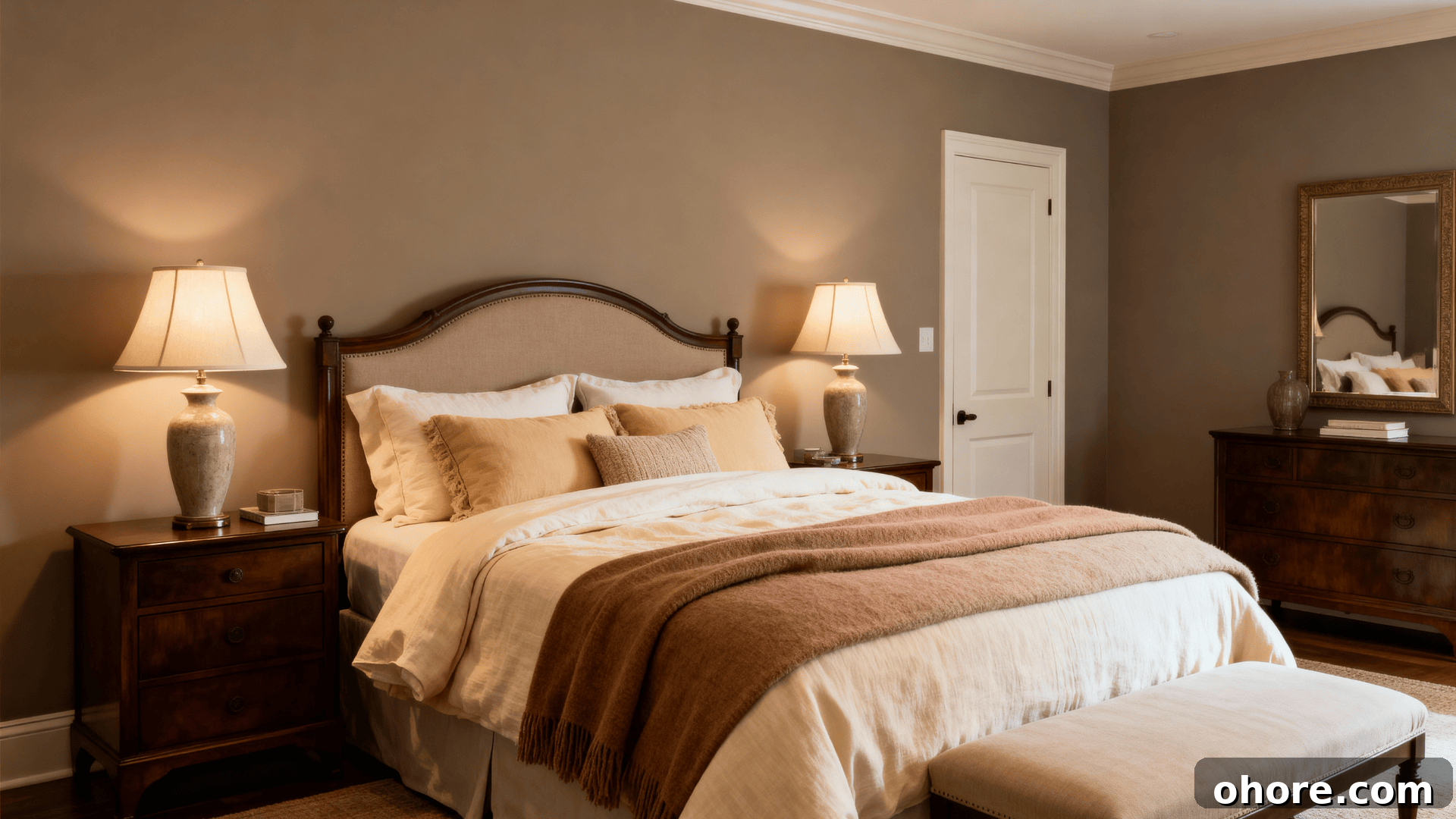
Taupe mixes gray’s modern edge with brown’s warmth for grounded sophistication. It’s a versatile neutral that fosters a cozy, composed environment for uninterrupted rest.
- Paint options: Accessible Beige (Sherwin-Williams), Revere Pewter (Benjamin Moore)
- Best for: traditional and warm interiors
11. Soft Coral: Gentle Energy
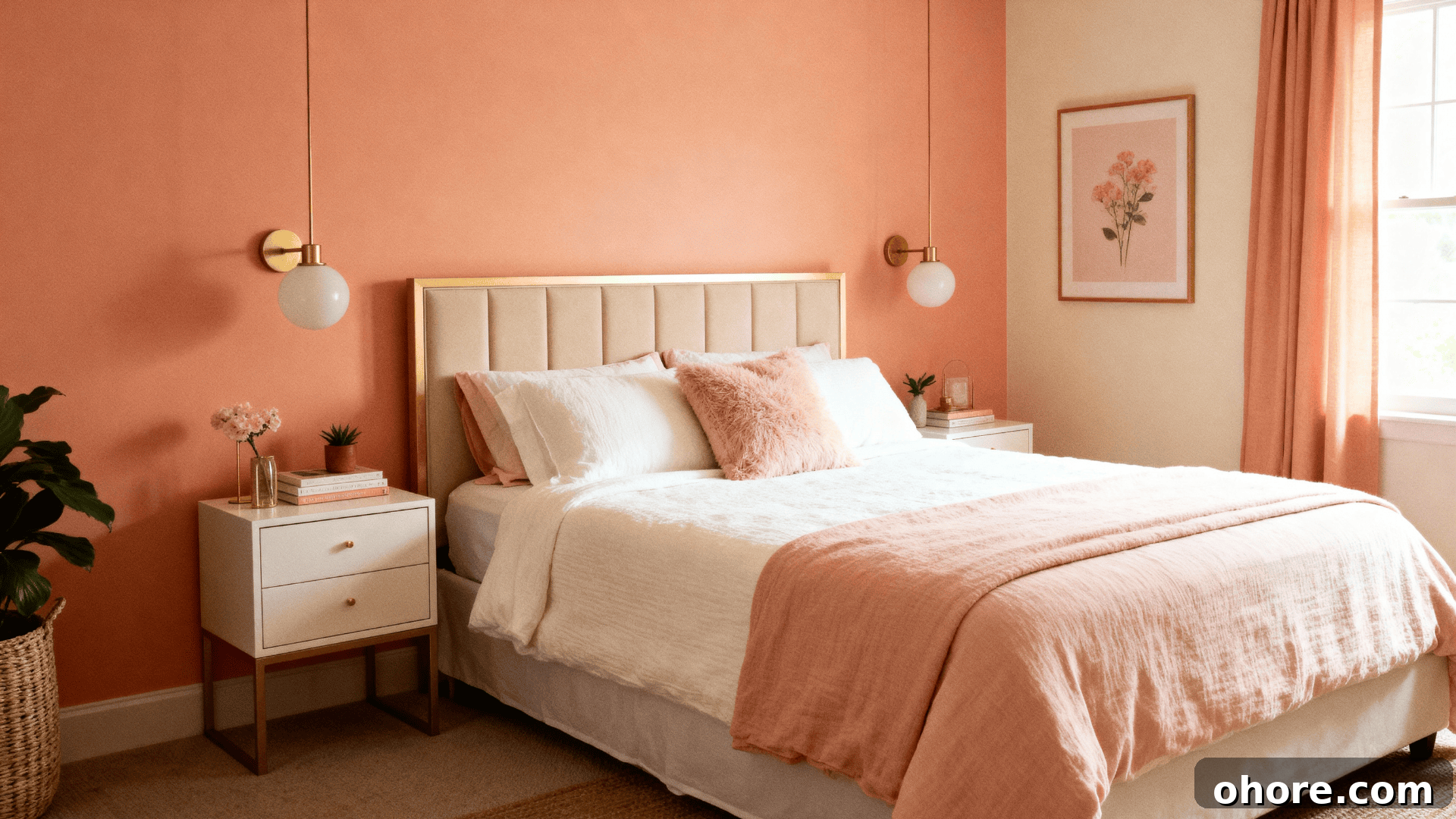
Muted coral adds warmth and subtle vitality without overwhelming the senses. This peachy-pink tone creates comfort with a hint of personality and positive energy.
- Paint options: Peach Fuzz (Pantone), Coral Cream (Benjamin Moore)
- Best for: feminine or creative spaces
12. Pale Turquoise: Refreshing Serenity
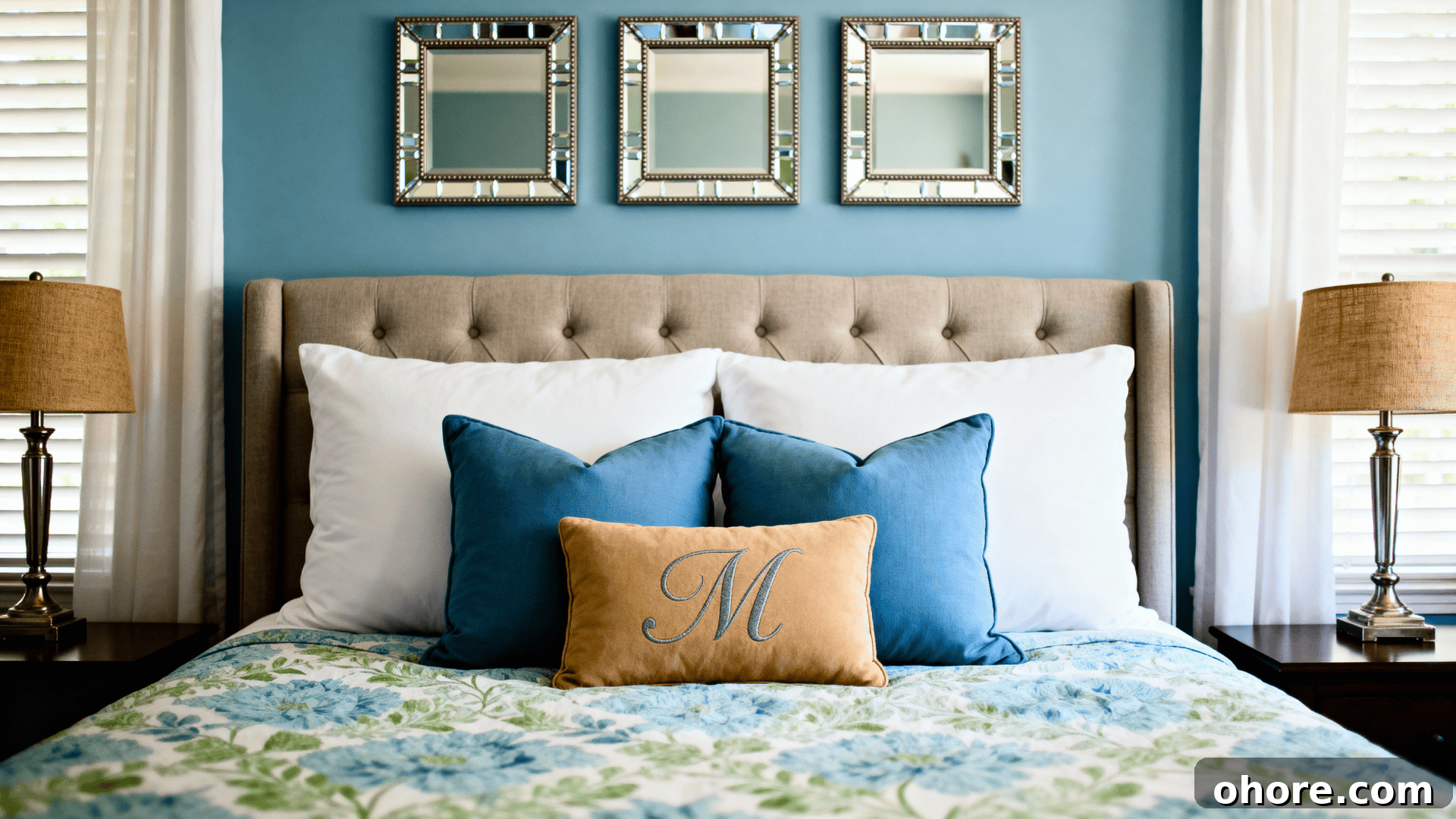
Light turquoise merges calming blue with revitalizing green, delivering balanced tranquility. It offers peaceful clarity and gentle refreshment, ideal for combining relaxation with morning motivation.
- Paint options: Wythe Blue (Benjamin Moore), Tidewater (Sherwin-Williams)
- Best for: tropical or refreshing retreats
13. Champagne and Ivory: Luxurious Calm
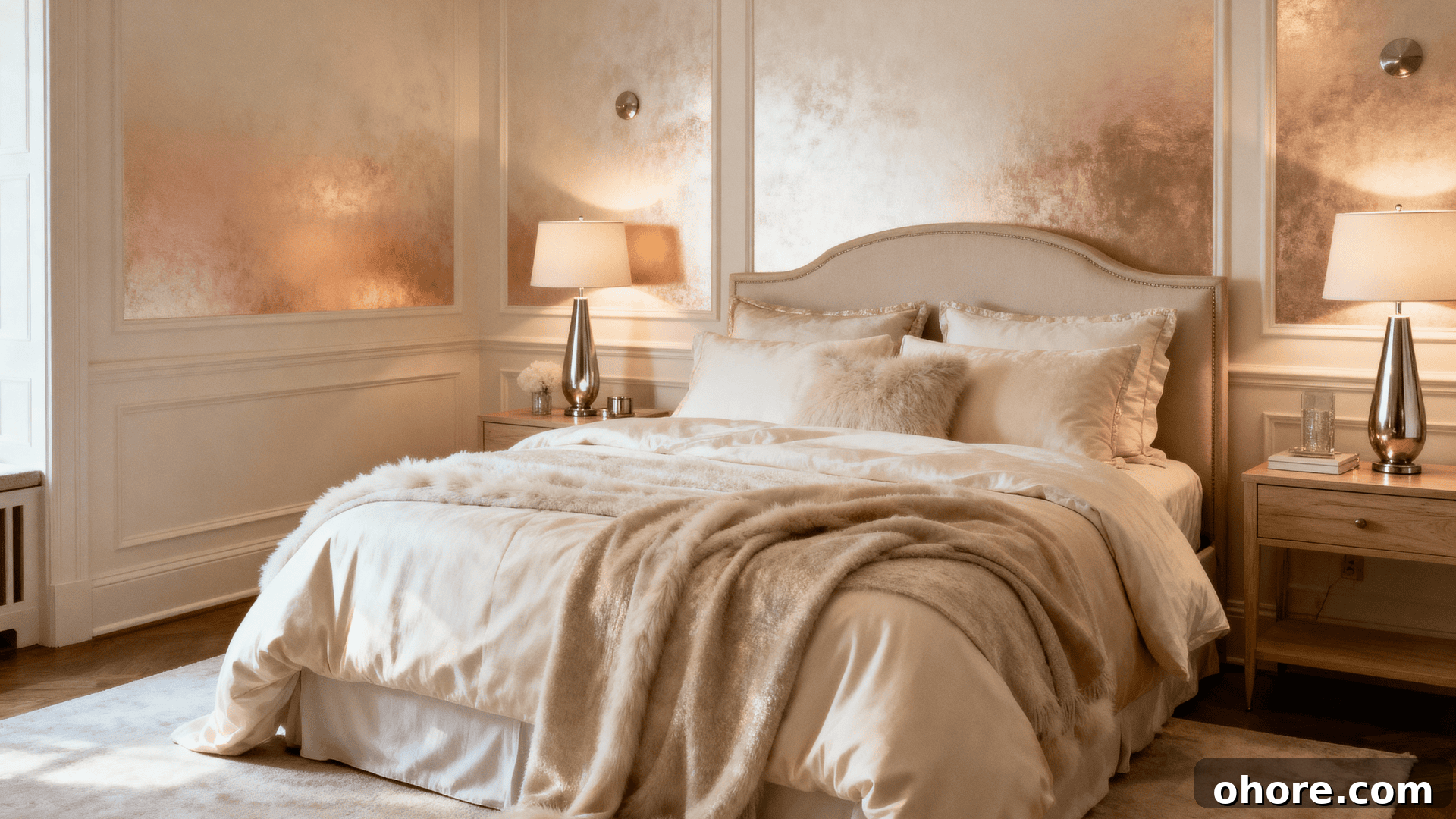
Champagne and ivory deliver understated luxury and soothing warmth. These creamy tones create an elegant, restful atmosphere that feels indulgent without overpowering the senses.
- Paint options: Manchester Tan (Benjamin Moore), Kilim Beige (Sherwin-Williams)
- Best for: master bedrooms and luxury-inspired spaces
Colors That Disrupt Sleep
Some hues work against relaxation and are best avoided in large bedroom areas. Highly stimulating or overly dark colors can interfere with the transition to sleep.
- Red: Highly energizing, can raise heart rate and hinder winding down.
- Dark purple: May feel heavy or oppressive, affecting mood and rest.
- Dark brown: Can make a room feel closed-in and gloomy.
- Black: Often creates a cave-like, unsettling atmosphere, though small accents can work.
- Orange and bright yellow: Too stimulating in large amounts, these shades can prevent the mind from relaxing.
Choosing the Best Bedroom Paint Colors for Your Space
Selecting the ideal color involves more than personal preference. Consider room characteristics and how the shade will interact with light, furnishings, and your lifestyle.
- Natural light: North-facing rooms benefit from warmer tones to counter cooler light; south-facing rooms can support cooler blues and greens without feeling cold.
- Personal style: Match the hue to your aesthetic—neutrals for traditional, cool grays for modern, earthy greens for bohemian, or crisp whites for minimalism.
- Room size: Light colors open up small spaces; darker shades can make large rooms feel cozier when used thoughtfully.
- Paint finish: Matte or flat finishes create a softer, calmer look and hide imperfections better than glossy finishes.
- Cohesive scheme: Coordinate wall colors with furniture and adjacent rooms to maintain visual flow and harmony.
Popular Bedroom Paint Color Trends
Trends change, but many current favorites combine timeless appeal with fresh sensibilities. Soft neutrals, warm grays, muted greens, and calming blues remain popular, while dusty rose, sage, deep terracotta, and slate blue are rising in prominence. Designers predict a continued mix of rich jewel tones and delicate pastels in future palettes. Neutral classics stay reliable, while bolder colors work best as accents or when used thoughtfully.
| Topic | Key Points |
|---|---|
| Current color trends | Soft neutrals, warm greys, muted greens, and calming blues dominate bedroom design. |
| Emerging popular shades | Dusty rose, sage, deep terracotta, and slate blue are becoming more common. |
| Designer predictions | Expect a balance of rich jewel tones and gentle pastels in upcoming palettes. |
| Timeless vs trendy | Neutral classics remain safe while bold hues add personality when used with restraint. |
Expert Tips for Painting Your Bedroom
Achieve professional-looking results by following these practical painting tips. Proper preparation and technique ensure durable, beautiful color.
- Test samples: Paint large swatches on different walls and observe them at various times of day to see how light affects color.
- Choose sheens wisely: Matte or eggshell finishes create soft texture on walls; use semi-gloss on trim for durability and easy cleaning.
- Consider the ceiling: A lighter ceiling brightens and visually raises the room; matching the walls can create a cozy, intimate feel.
- Use good technique: Apply two thin coats rather than one thick coat, use painter’s tape for clean edges, and remove tape while the paint is slightly damp.
- Know when to hire pros: DIY is fine for simple rooms, but complex trim, high ceilings, and special finishes often benefit from professional expertise.
Wrapping It Up
The right bedroom color can change how you sleep and how you feel each day. From calming blues and greens to timeless neutrals and gentle pastels, pick a shade that supports rest and reflects your personal style. Test colors in your room’s lighting before committing, and use these guidelines to create a peaceful, restorative space.
Ready to refresh your sleep space? Try a few paint samples and start shaping the calm, sleep-friendly bedroom you deserve.