Sour cream is simply cream that has been cultured with specific microorganisms to give it its characteristic tang. As a fresh dairy product, it tastes best when newly opened and can spoil quickly whether the container is opened or unopened.
I use sour cream often in baking, but unopened tubs sometimes sit in my fridge until they go off. If you’re unsure whether a container in your refrigerator is still safe, check for the signs below to decide if it should be discarded.
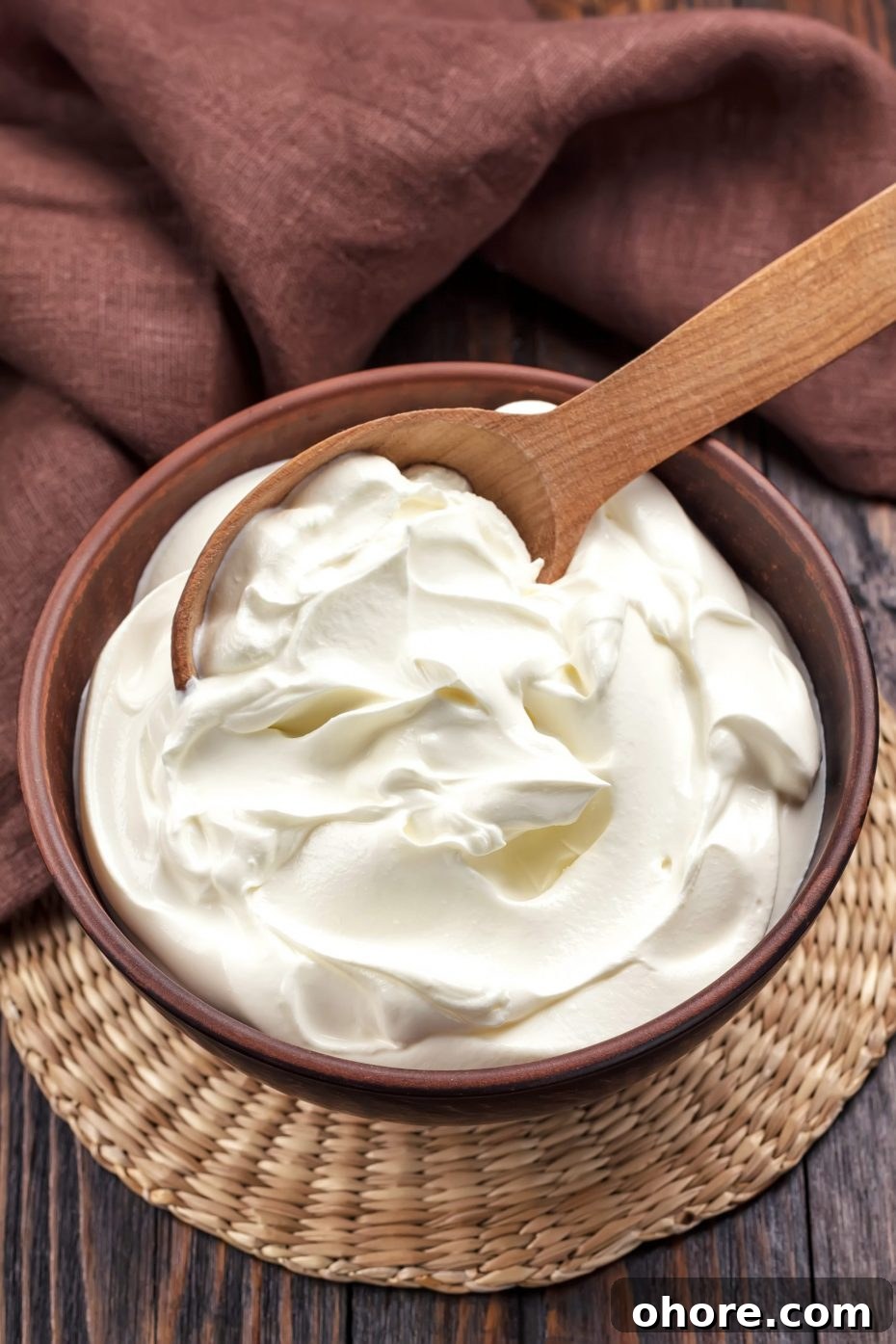
How To Tell If Your Sour Cream Has Gone Bad
1. Mold Growth
Visible mold—fuzzy gray, green, or black spots—means the entire tub should be thrown away. Do not scrape mold off and keep the rest; mold can penetrate below the surface and contaminate the whole container.
Even a whitish film, round spots, or irregular clumps can indicate mold growth that isn’t obvious at first glance, so discard the product if you see any of these signs.
2. Discoloration
Use a clean, dry spoon to stir the sour cream and inspect its color. Sour cream should be uniformly white or slightly off-white. Any yellowing, grayish hues, or other unusual discoloration suggests bacterial or fungal growth and means it is no longer safe to eat.
3. Off Smell
Sour cream naturally has a mild tang, but if it smells foul, musty, rancid, or unusually sharp, that indicates spoilage. Bacterial activity can transform the pleasant acidic aroma into an unpleasant scent—when that happens, discard the product.
4. Sharp or Bitter Taste
Fresh sour cream is creamy and mildly tangy. If a small taste reveals a sharp, bitter, yeasty, or otherwise off flavor, stop eating it and throw it away.
5. Curdling
A thin layer of milky liquid on top—whey—is normal and harmless; you can either pour it off or stir it back in. However, lumps, large curds, or a separated, grainy texture are signs the sour cream has spoiled and should be discarded.
6. Dryness
Sour cream should be moist. If it is clinging dryly to the container sides and there’s no milky liquid at the top, it has likely dried out and is unsafe to eat.
7. Dense
While naturally thick, sour cream should not be unusually dense or hard. Excessive density typically means it has dried out from exposure to air and is past its prime—especially common with opened containers that weren’t sealed properly.
How To Prevent Sour Cream Spoilage
Sour cream provides a favorable environment for molds and bacteria, but you can slow spoilage with a few simple habits to get the most from each container.
1. Always store it in the fridge.
Keep sour cream refrigerated at or below 40°F (4°C), whether opened or unopened. Don’t leave it out for long, since bacteria multiply rapidly at warmer temperatures. Avoid storing it in the fridge door, where temperatures fluctuate; place it toward the back of the refrigerator where it stays cooler and more consistent.
2. Seal it properly.
After opening, keep the tub tightly covered using the original lid or an airtight container to limit air and contaminant exposure. For larger tubs, laying plastic wrap directly over the surface before replacing the lid helps maintain freshness.
3. Scoop it out with clean utensils.
Always use clean, dry spoons or utensils to avoid introducing bacteria or food residue into the container. Cross-contamination shortens shelf life and increases the chance of spoilage.
FAQs
Can you get sick from expired sour cream?
Yes—if sour cream shows signs of spoilage (mold, off smell, discoloration, curdling), consuming it can cause foodborne illness. If it shows no signs of spoilage, the risk is much lower, but always inspect before using.
Can you eat sour cream that has been left out overnight?
No. Leaving sour cream out overnight allows significant bacterial growth, making it unsafe to eat.
Will sour cream spoil if left out overnight?
Yes. Whether opened or unopened, leaving sour cream at room temperature encourages bacterial growth and accelerates spoilage.
How long before sour cream spoils at room temperature?
Sour cream can begin to spoil within 2–4 hours at room temperature. If it has been left out that long, discard it.
Can you use spoiled sour cream for baking? What happens if you eat spoiled sour cream?
Using spoiled sour cream risks food poisoning. Symptoms can include stomach cramps, nausea, diarrhea, and in severe cases fever. It’s not worth the risk—discard spoiled sour cream rather than using it in recipes.
I have a tub of expired sour cream that was never opened; can I still use it?
An unopened tub may still be usable if it’s within about three weeks past the sell-by or use-by date and has been continuously refrigerated. Always inspect for mold, smell, and texture before using. If it’s a month past the date or shows any spoilage signs, discard it.
© Beat Bake Eat. All images & content are copyright protected. Unauthorized use and/or duplication of this material without written consent from this site’s author and/or owner is strictly prohibited.