
You’ve tried diet after diet and most were temporary fixes: the weight came off and then returned. Then you discovered keto—maybe from a friend, online, or in the news—and decided to try a ketogenic approach. Welcome to the community!
If you’re new to keto, here’s a brief explanation: the ketogenic diet is a low-carbohydrate, high-fat way of eating that reduces carbohydrate intake enough to enter nutritional ketosis (distinct from ketoacidosis). In ketosis your body can burn fat for fuel, better regulate hormones, and support weight loss when done correctly.
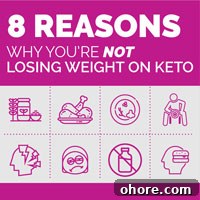
Keep in mind keto isn’t one-size-fits-all. Small, individualized adjustments are often necessary, and without them you may struggle to reach your goals. Below are eight common reasons women have trouble losing weight on keto, and practical fixes to try.
1. Hidden Carbohydrates
Maintaining ketosis requires limiting carbohydrates. Many people undercut their efforts by eating the wrong kinds of carbs. Packaged “low‑carb” bars and snacks often contain more carbs than expected compared with whole, low‑carb vegetables like cauliflower, broccoli, and spinach.
Fix: Prioritize whole, low‑carb foods and carefully read labels on processed products. Favor vegetables and minimally processed proteins and fats to keep your total carb count within your target range.

2. Over-Consumption
Ketosis alone doesn’t guarantee weight loss. If you consume more calories than you burn, you won’t lose weight—even with very low carbs. Fat is calorie-dense (about 9 calories per gram), so eating large amounts of added fats can create a calorie surplus.
Fix: Track portions and calories for a period to understand your intake. If you’re a volume eater, add low‑calorie, low‑carb vegetables (cucumber, celery, iceberg lettuce) to meals to increase fullness without a large calorie increase.
Note: Persistent weight loss resistance can also stem from underlying health issues—thyroid dysfunction, autoimmune conditions, or hormonal imbalance. If you suspect this, consult a healthcare professional for evaluation and tailored guidance.
3. Under-Consumption
Eating too few calories is also counterproductive. If you under-eat, your body may break down lean mass for energy and down-regulate metabolism to conserve resources. Severe calorie restriction can disrupt menstrual cycles and other essential functions.
Fix: Ensure you eat enough to support basic metabolic needs and preserve lean mass while maintaining a sensible calorie deficit for sustainable weight loss. Balance meals with adequate protein, healthy fats, and non-starchy vegetables.
4. Excessive Exercise
Exercise is beneficial, but too much—especially chronic high-volume aerobic training—can backfire. Overtraining increases inflammation and oxidative stress, raises appetite, and can lead to compensatory overeating that negates calorie deficits.
Fix: Aim for a balanced routine that includes resistance training, moderate cardio, and adequate recovery. Watch for signs of overtraining (persistent fatigue, poor sleep, diminished performance) and prioritize rest days.
5. High Levels of Stress
Chronic stress elevates cortisol, a hormone that promotes abdominal fat storage and alters energy balance. High cortisol can increase appetite, redirect glucose to muscles away from the brain, and impair sleep and skin health.
Fix: Implement stress-management practices—mindful breathing, short walks, gentle movement, adequate rest—and maintain consistent nutrition to support hormone regulation. Keto-friendly foods can be anti-inflammatory, which may help moderate chronic cortisol elevation.
6. Lack of Sleep
Poor or insufficient sleep disrupts circadian rhythms and organ function, undermining optimal metabolism and fat loss. Sleep deprivation also dysregulates hunger hormones: ghrelin rises (increasing hunger) and leptin falls (reducing satiety), which together encourage overeating.
Fix: Prioritize consistent, restorative sleep by keeping a regular bedtime, reducing evening stimulants and screens, and creating a calming bedtime routine. Track how different sleep durations affect your appetite and energy.
7. Food Sensitivities
Undiagnosed food sensitivities—commonly dairy or gluten—can cause gut inflammation and imbalance, which contribute to chronic inflammation and weight challenges even when macros and calories appear correct.
Fix: Pay attention to how foods make you feel. Consider an elimination approach or test under professional guidance to identify triggers. Removing or reducing reactive foods can reduce inflammation and improve digestion and weight outcomes.

8. Leptin Resistance
Leptin is a hormone produced by fat cells that signals the brain when you’re adequately fueled and should stop eating. When leptin signaling is impaired—leptin resistance—the brain doesn’t receive that signal and satiety is blunted. Causes include poor sleep, prolonged calorie restriction, chronic stress, highly processed diets, and overeating.
Fix: Address the root causes: restore healthy sleep, reduce stress, avoid extreme calorie deficits, and focus on whole foods. Over time, improving metabolic health can help restore leptin sensitivity and normal hunger cues.
Diagnosing the Issue and Next Steps
Any one of these eight factors, alone or combined, could be the barrier to weight loss on keto. Narrowing down the cause often takes a process of careful self-observation and trial and error. Track food, sleep, stress, and activity for a few weeks, adjust one variable at a time, and monitor how your body responds.
Once you identify the limiting factor, address it directly: reduce hidden carbs, balance calories, correct under-eating or overtraining, improve sleep and stress management, and remove inflammatory foods. Small, consistent changes often produce the most sustainable results.
Remember: your body is on your side. Be patient, consistent, and compassionate with yourself as you experiment and find the approach that works best for you.
XO
Leanne
Loved This Keto Content? Share on Pinterest!
