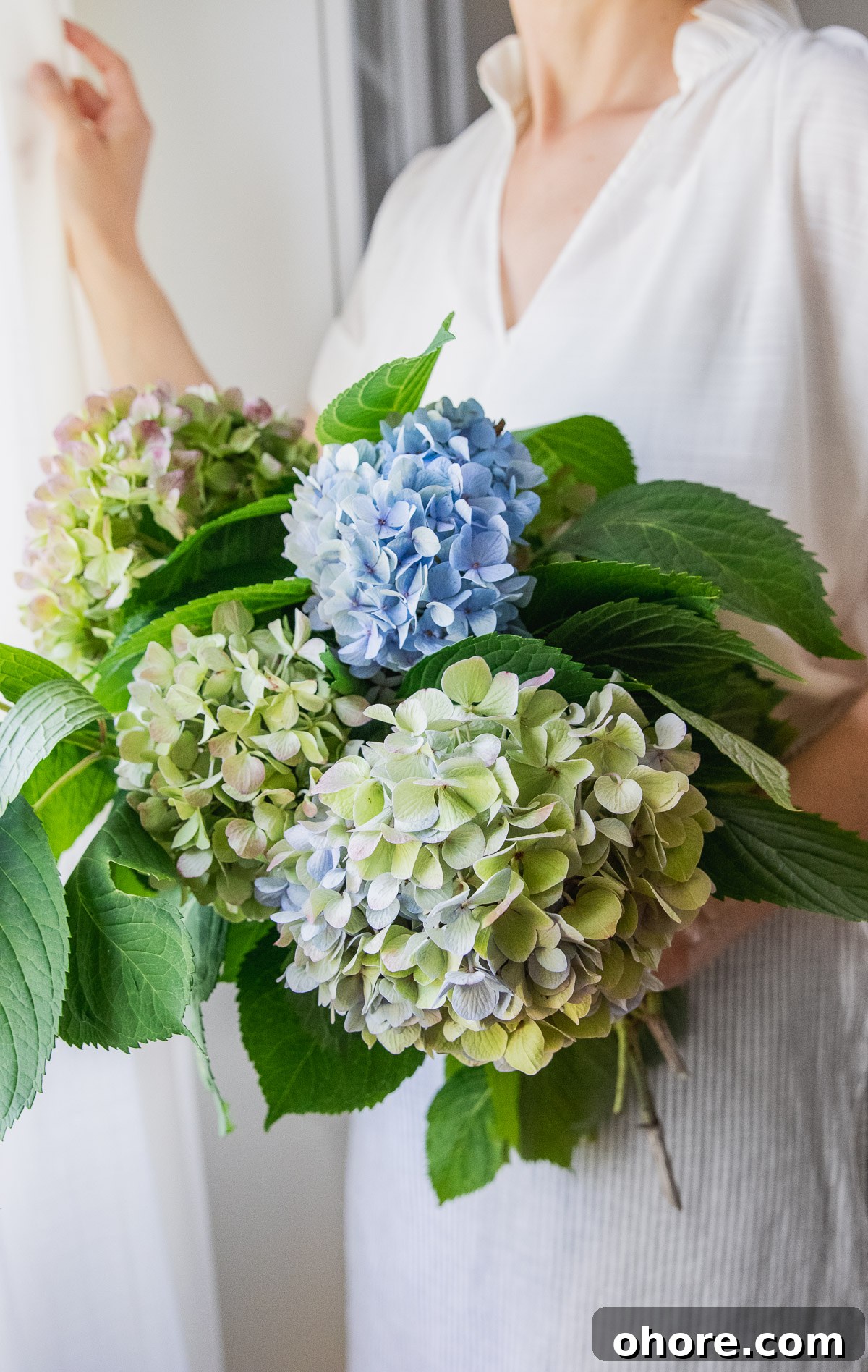
Is there anything more disappointing than a bouquet that fades overnight? Whether bought at the store or cut from your garden, flowers can wilt quickly when exposed to heat, bacteria, or blocked water uptake. With a little care and a simple homemade flower food, you can extend the life of your cut flowers and even revive ones that are starting to droop. Below are six practical tips to keep blooms fresh longer and steps to bring wilted flowers back to life.
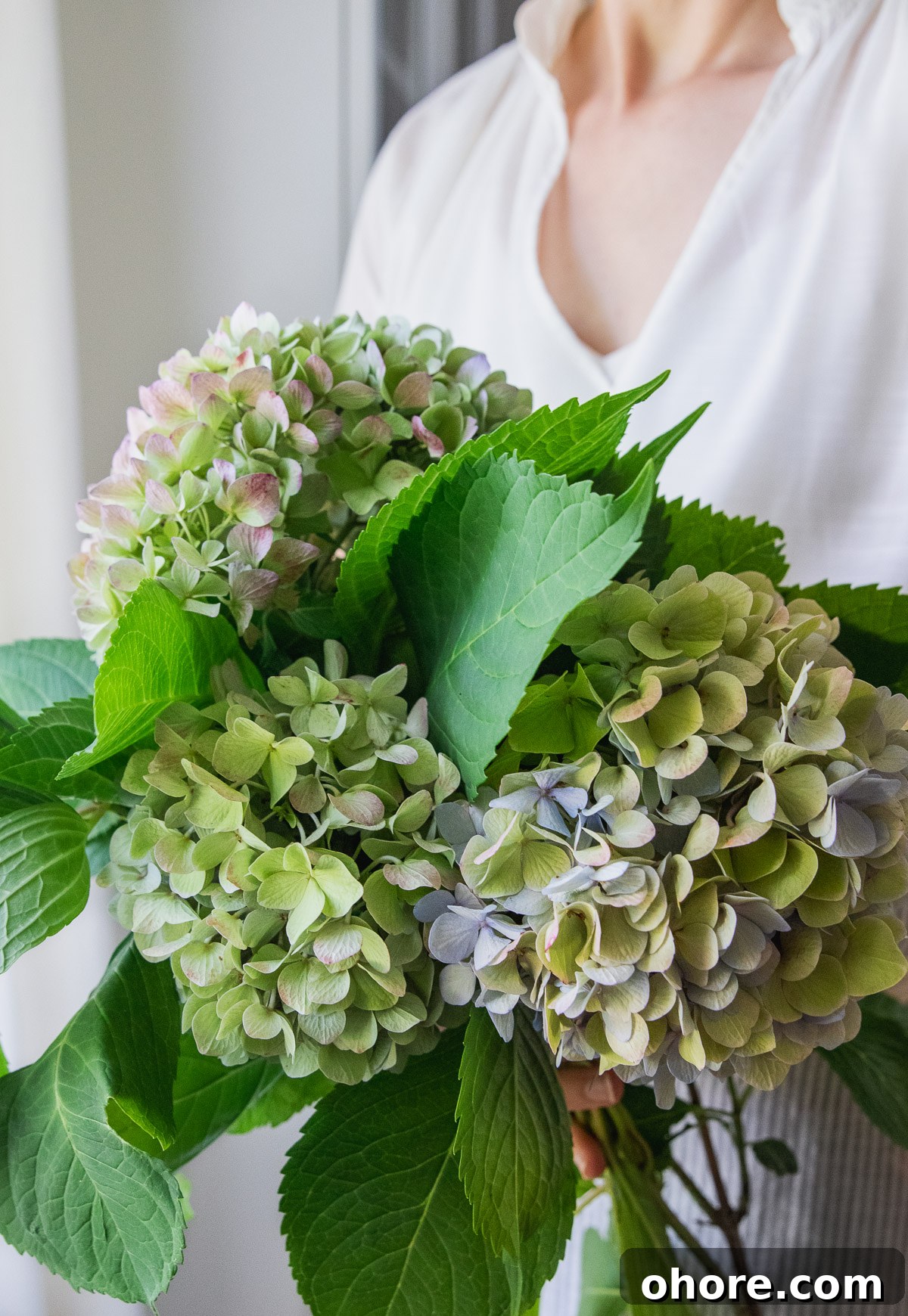
How to Keep Cut Flowers Alive Longer
Cut flowers decline quickly for three main reasons: heat, bacteria, and an inability to absorb water. Control those factors and your blooms will last much longer.
1. Remove leaves
Leaves left below the waterline rot and encourage bacterial growth. After trimming stems, remove any leaves that would sit in the vase water. Also rinse off dirt or debris from stems so nothing accelerates decay.
2. Cut the stems at an angle
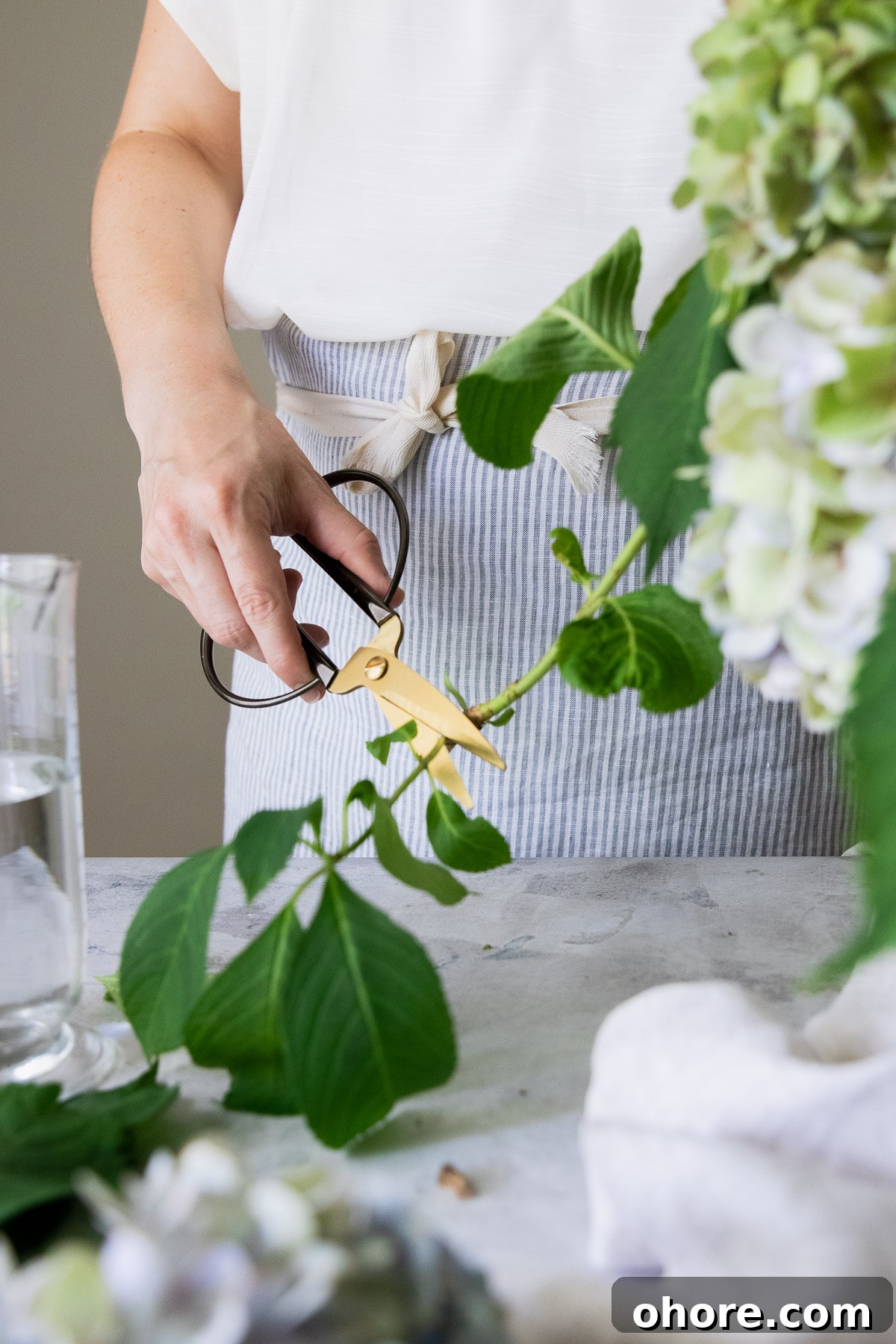
Flowers continue drawing water through their stems until the cut end dries or seals. Cutting stems at a 45-degree angle increases surface area and improves water uptake. Recut stems about 2 inches from the bottom before placing flowers in a vase.
3. Use a homemade flower food
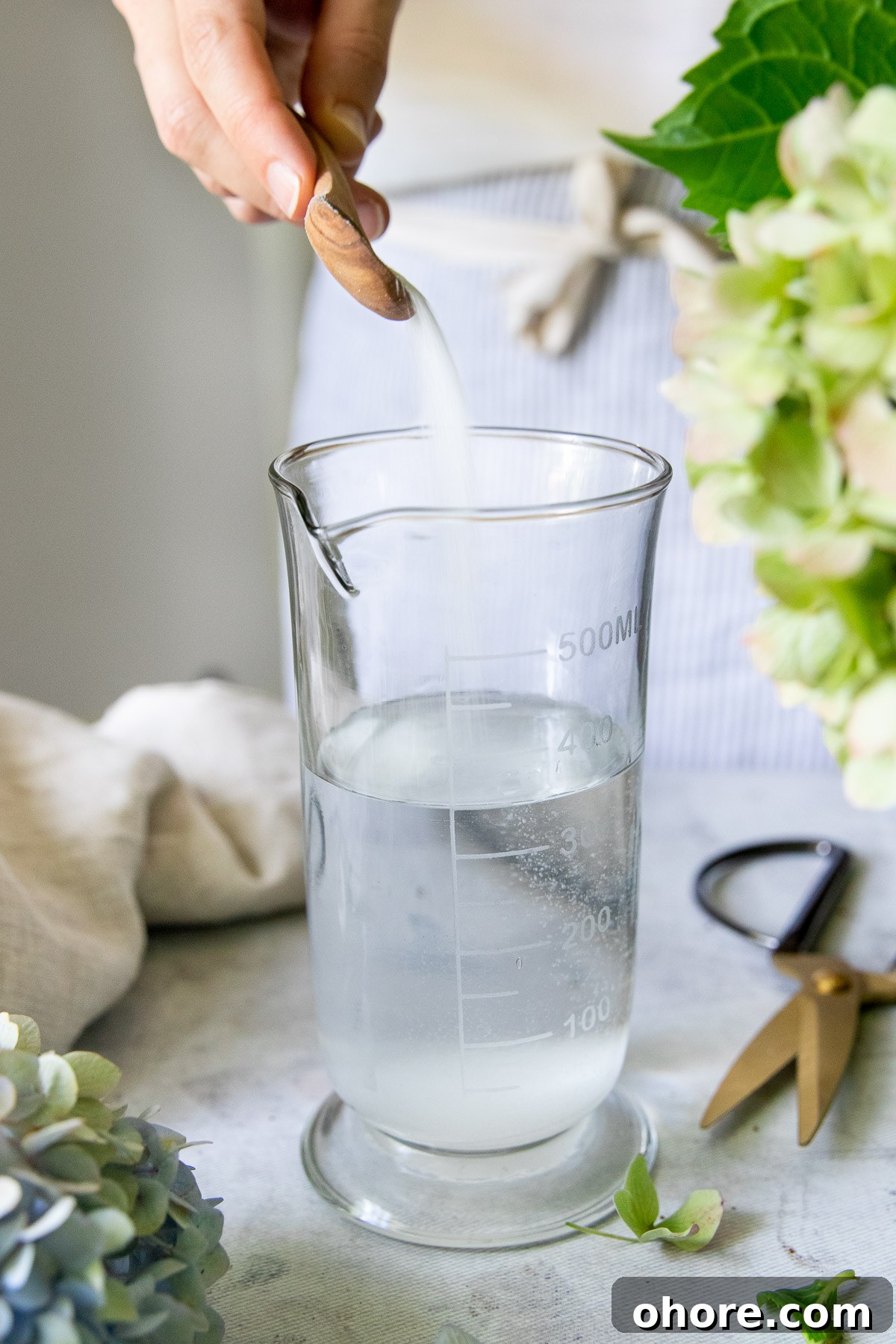
You can recreate the little packets of flower food at home using common pantry items. In this mixture, sugar feeds the stems, an acidifier helps keep the water pH low, and a small amount of bleach reduces bacterial growth. Because sugar can also feed bacteria, include an antibacterial component such as bleach or citric acid.
Ingredients
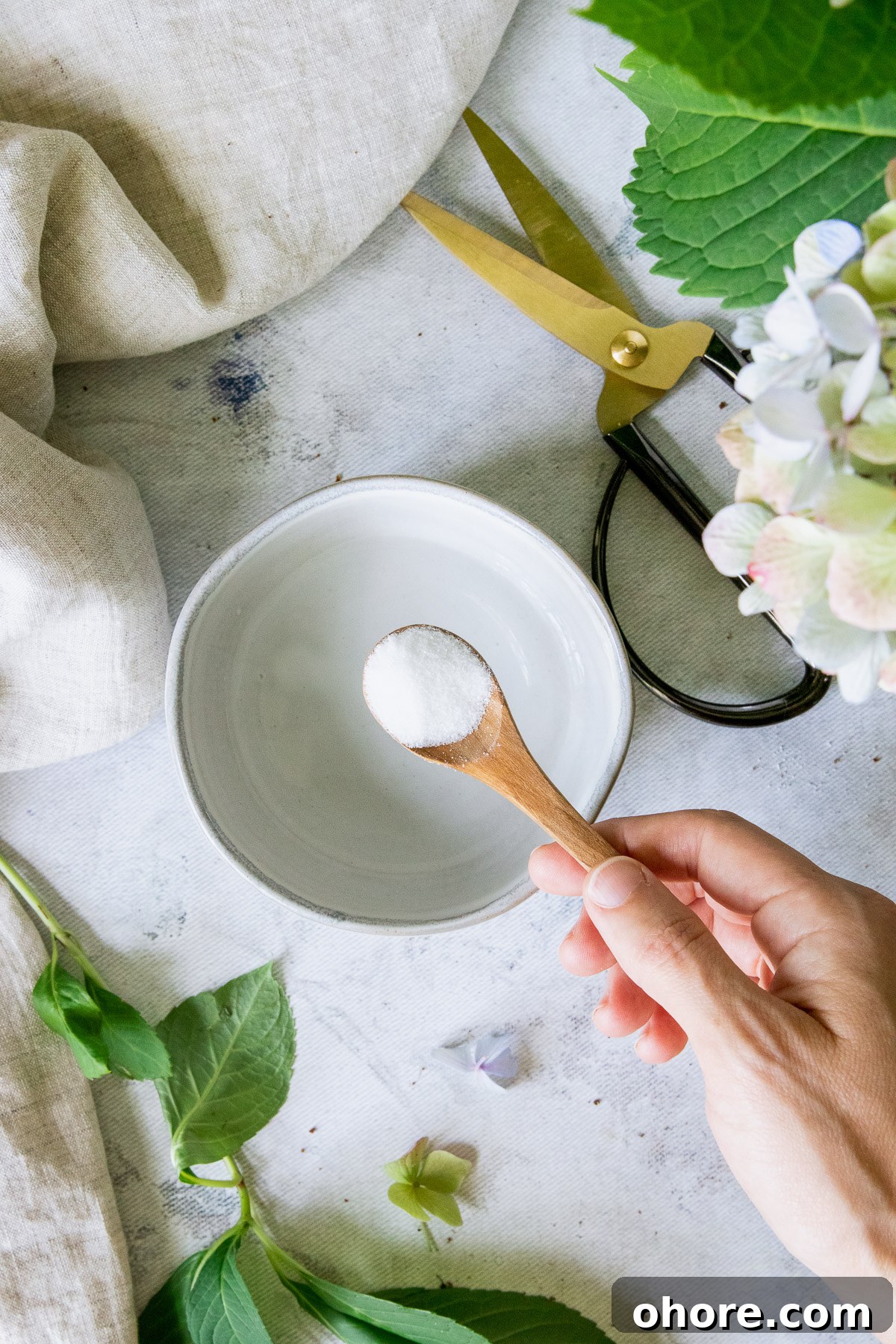
— 1 tablespoon white sugar
— 1 teaspoon citric acid
— 1/8 teaspoon bleach
— 4 cups lukewarm water
Combine the water, bleach, citric acid, and sugar in a clean bowl or vase. Stir until sugar and citric acid dissolve, then let the solution cool before adding flowers. Replace the water and add fresh flower food every 2–3 days to maintain cleanliness and nourishment.
4. Remove dying flowers
Pull out spent or dying blooms immediately. As with decaying leaves, dying flowers release bacteria and can cause healthy stems to deteriorate faster. Regularly pruning out the declining flowers helps preserve the rest of the arrangement.
5. Avoid direct sunlight
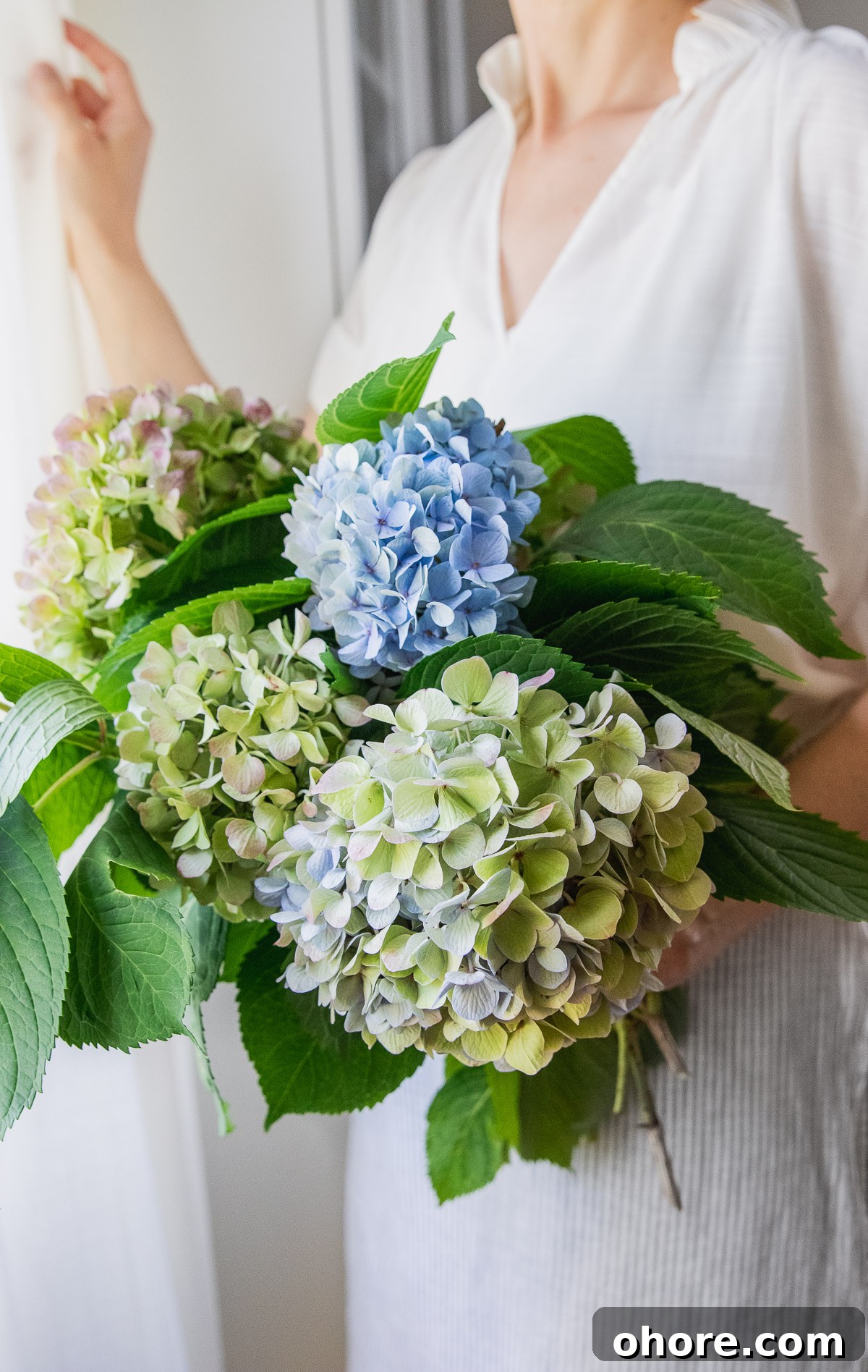
Too much sun or heat will dry flowers, causing them to droop, wilt, or rot. Keep arrangements in a cool, shaded spot—like a kitchen counter or dining table—avoiding prolonged exposure to direct sunlight or heat sources.
6. Keep them away from fruit
Ripe fruit emits ethylene gas, which speeds the ripening and aging process of flowers. Store bouquets away from fruit and vegetables to prevent ethylene exposure and extend the life of your blooms.
How to Revive Wilted Flowers
If flowers begin to wilt prematurely, you can often perk them up—especially sturdier varieties like roses and hydrangeas. Follow these steps:
1. Wash the vase thoroughly and fill it with lukewarm water. Dissolve 1–2 teaspoons of white sugar in the water to provide nourishment.
2. Fill a sink or basin with lukewarm water. Trim the stem ends under water at a 45-degree angle to prevent air from entering the stems and to improve water uptake.
3. Immediately place the freshly cut stems into the prepared vase. Keep the vase in a cool, shaded location and change the water every couple of days, refreshing the sugar solution each time.
With these simple measures—clean water, angled cuts, removed foliage, and occasional homemade flower food—you can enjoy cut flowers that stay vibrant and fresh far longer than expected.