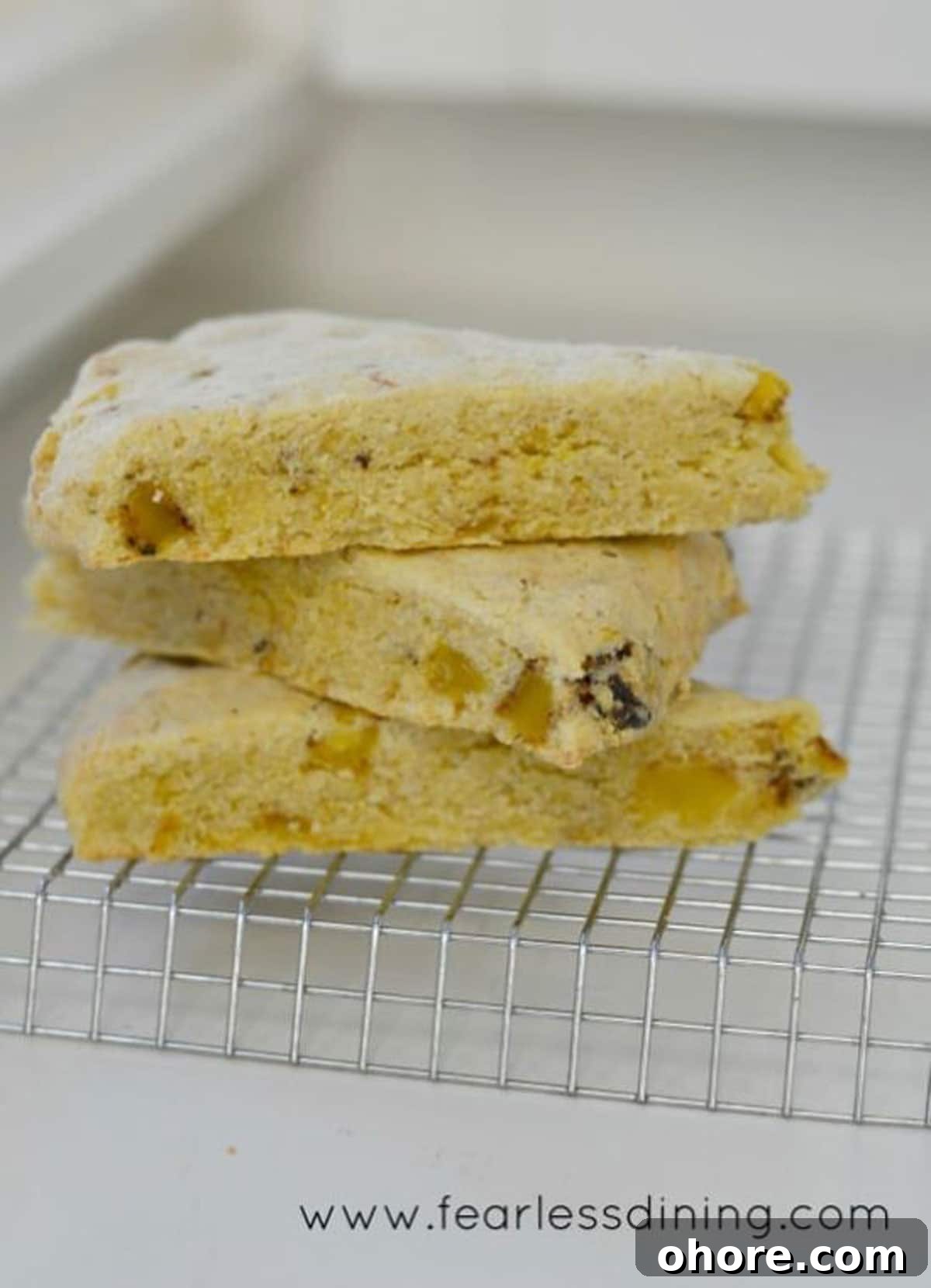
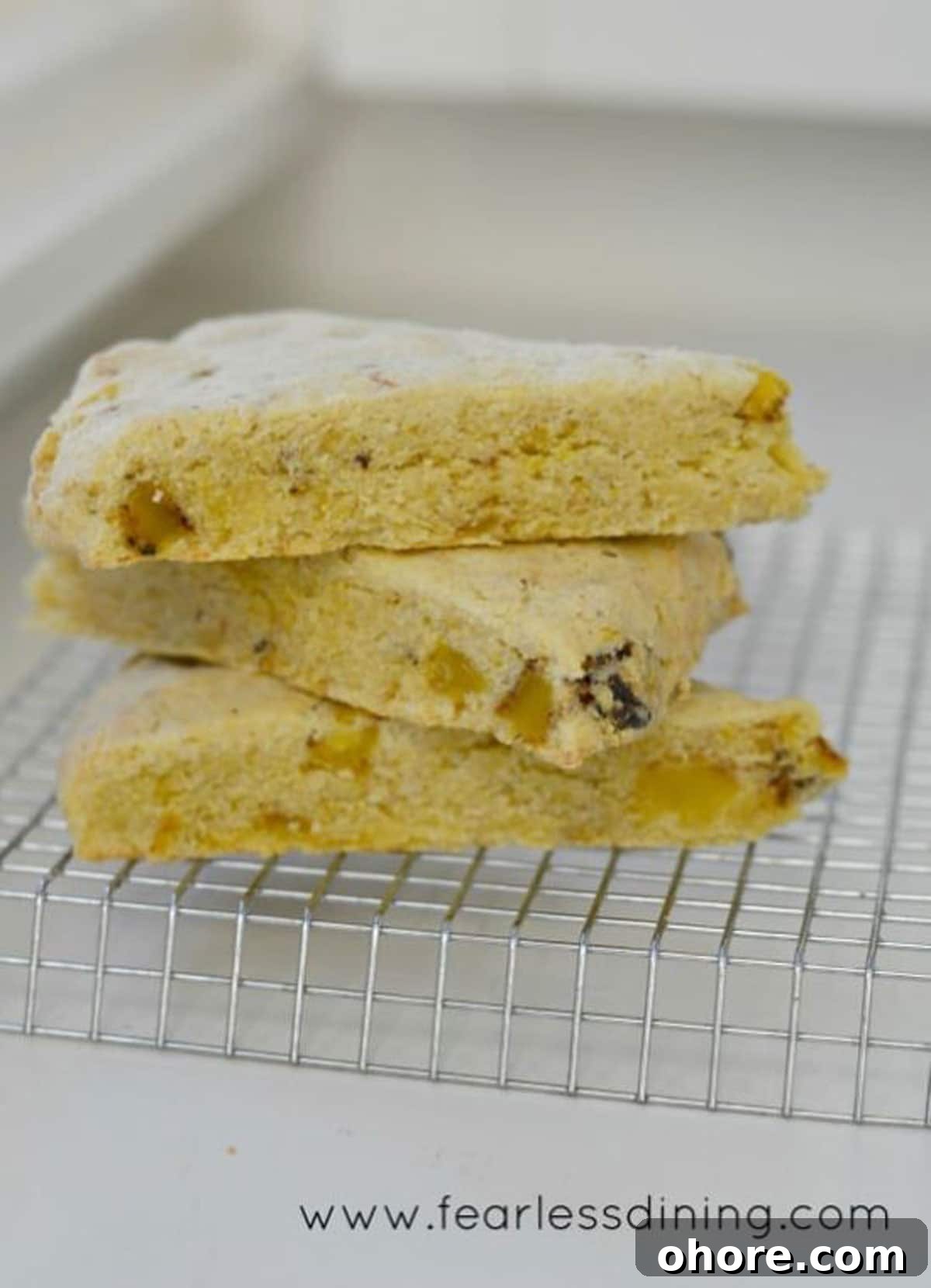
These gluten-free cornmeal scones are flaky, golden, and full of savory fall flavor. Roasted delicata squash adds a gentle sweetness and silky texture, while cornmeal gives each scone a pleasant, rustic crunch. These cornmeal scones with winter squash are an excellent side for hearty soups, stews, or a cozy brunch.
❤️ Sandi’s Summary
1. Cornmeal brings rustic texture and a slightly sweet crunch.
2. Roasted delicata squash adds buttery softness and natural sweetness.
3. Serve these savory scones with chili, soup, or shakshuka — they’re ideal for dipping.
(This recipe was updated from an earlier post to include more detailed instructions.)
A Note From My Kitchen
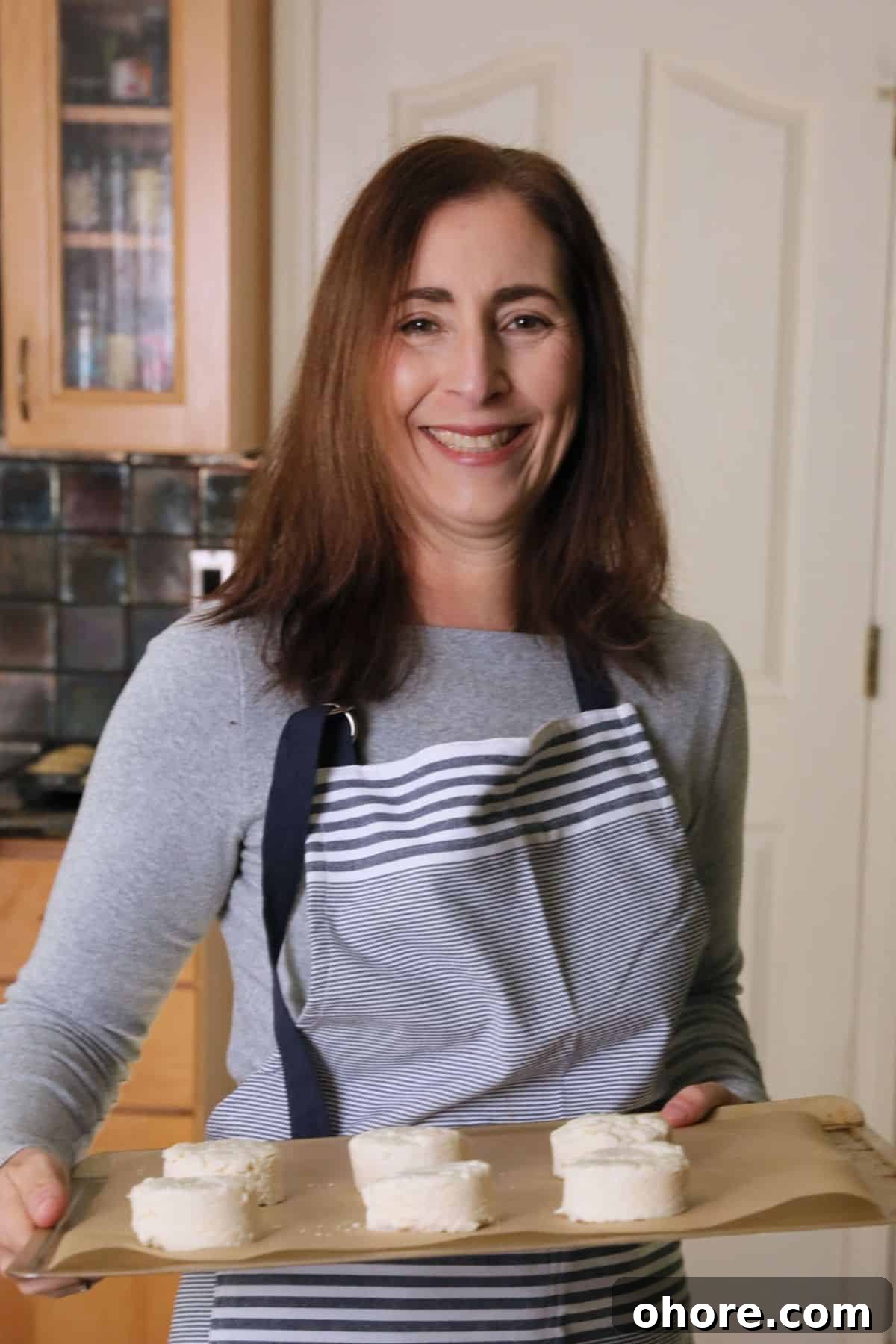
My blog includes many gluten-free scone recipes. While many are sweet, these cornmeal scones are savory and built to pair with soups and stews. I tested them using pan-fried delicata squash for a lightly earthy-sweet flavor, though butternut or acorn squash will work well, too.
Keep in mind that different gluten-free flour blends vary in grain-to-starch ratios, which affects moisture. If the dough seems dry, add a splash more liquid; if it’s overly sticky, add a bit more flour.
Ingredient Notes and Easy Swaps:
See the recipe card below for exact amounts.
- Cornmeal – Choose a labeled gluten-free cornmeal to avoid cross-contamination. Its coarse texture gives the scones a pleasant crunch.
- Gluten-Free Flour Blend – Tested with King Arthur Measure for Measure and Authentic Foods Multiblend. Other blends can work but may require small adjustments to liquid or flour amounts.
- Xanthan Gum – Add about 3/4 teaspoon if your flour blend doesn’t already contain a binder.
- Baking Powder – Use aluminum-free baking powder for best flavor.
- Butter – Unsalted butter is recommended. If you use salted butter, reduce or omit added salt.
- Milk – Whole milk gives great richness; use unsweetened plant milk to make the recipe dairy-free.
- Parmesan – Freshly grated Parmesan (or a dairy-free alternative) adds savory depth.
Substitutions
- Gum-free option: Use a gluten-free flour blend that relies on psyllium husk or another natural binder instead of xanthan gum.
- Dairy-free option: Substitute plant-based butter and non-dairy milk.
How to Make Gluten-Free Cornmeal Scones (Step-By-Step)
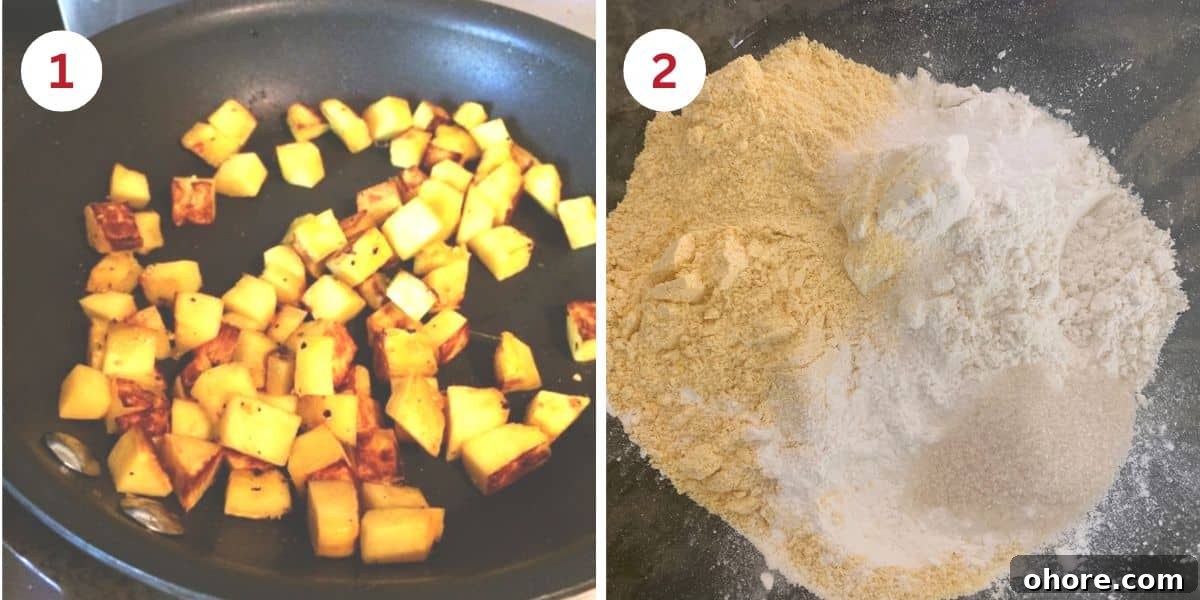
Step 1: Prepare the squash. Peel and roast, sauté, or microwave delicata until tender. Roasting with a little olive oil brings the best caramelized flavor. Cool completely before adding to dough.
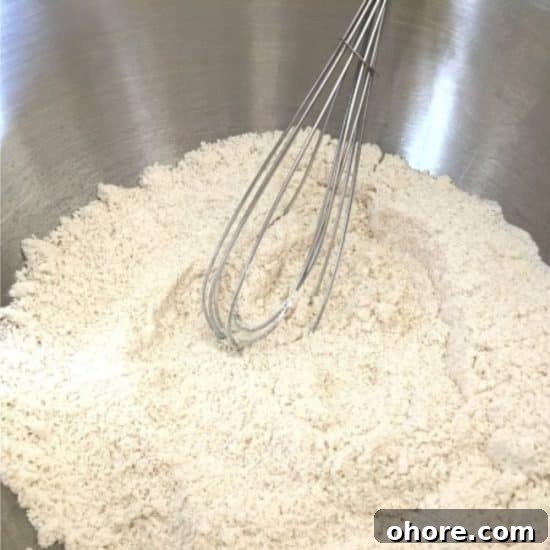
Step 2: Whisk together the dry ingredients: gluten-free flour blend, cornmeal, baking powder, salt, and xanthan gum if needed.
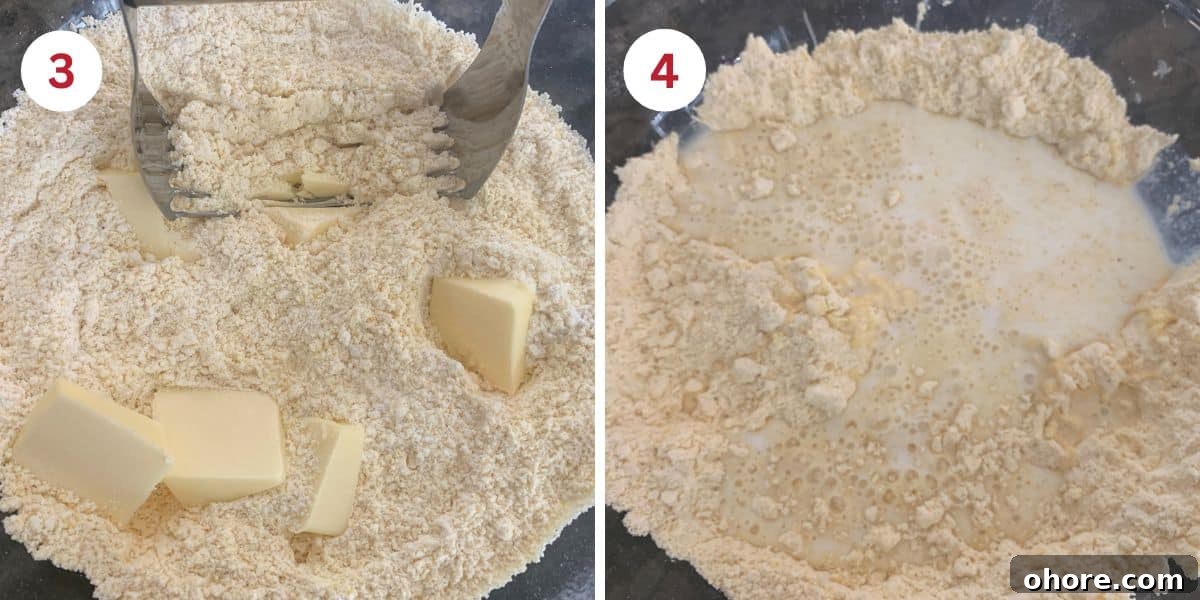
Step 3: Cut very cold butter into the dry ingredients using a pastry blender or two knives until the mixture resembles coarse crumbs. Alternatively, freeze the butter and grate it for the same effect.
Step 4: Whisk together the wet ingredients, then add them to the dry mix along with the cooled squash.
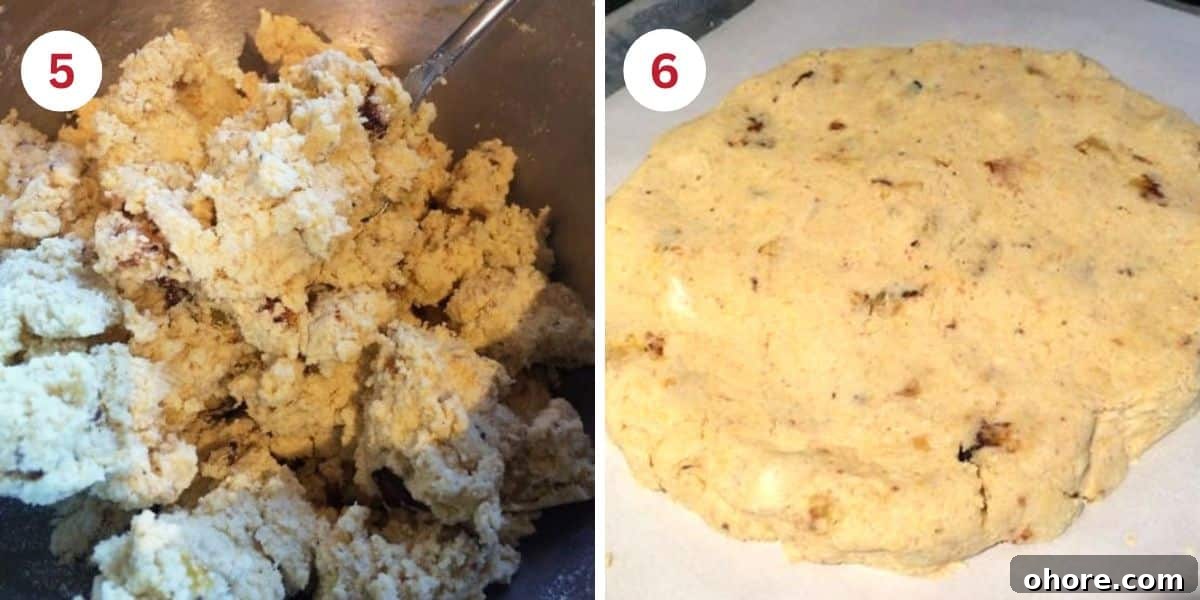
Step 5: Mix gently to form a soft, workable dough. Turn the dough onto parchment and press into a round about 1½–2 inches thick. Score the top about 1/4 inch deep into 8 wedges (like a pizza).
🔑 Sandi says: You can also cut rounds with a biscuit cutter, use a cast-iron scone pan, or drop the dough for rustic drop-style scones.
Step 6: Bake at 350°F (175°C) for 25–30 minutes, or until the tops are lightly golden and a skewer comes out clean. Baking time will vary with thickness.
Step 7: Transfer to a cooling rack. Slide the parchment onto the rack to lift scones off the pan. When cool, finish cutting the wedges all the way through with a sharp knife.
Tips For Success
1. Use very cold butter to create flaky layers.
2. Cool the squash completely before adding to dough so the butter stays cold.
3. Use aluminum-free baking powder to avoid any off-taste.
Frequently Asked Questions:
No. Corn flour is much finer and lacks the coarse texture cornmeal provides in these scones.
Yes. Butternut, acorn, or kabocha work well. Avoid spaghetti squash, which is too stringy.
Store in an airtight container in the refrigerator for up to 4 days. Freeze in a single layer in a freezer-safe bag for longer storage.
Serve Cornmeal Scones With:
- Hearty gluten-free chicken stew or other thick stews.
- Ground-pork chili or any chili for dipping.
- Garden vegetable shakshuka for a savory brunch pairing.
- Gluten-free chili mac or other soups where you want a sturdy, dippable scone.
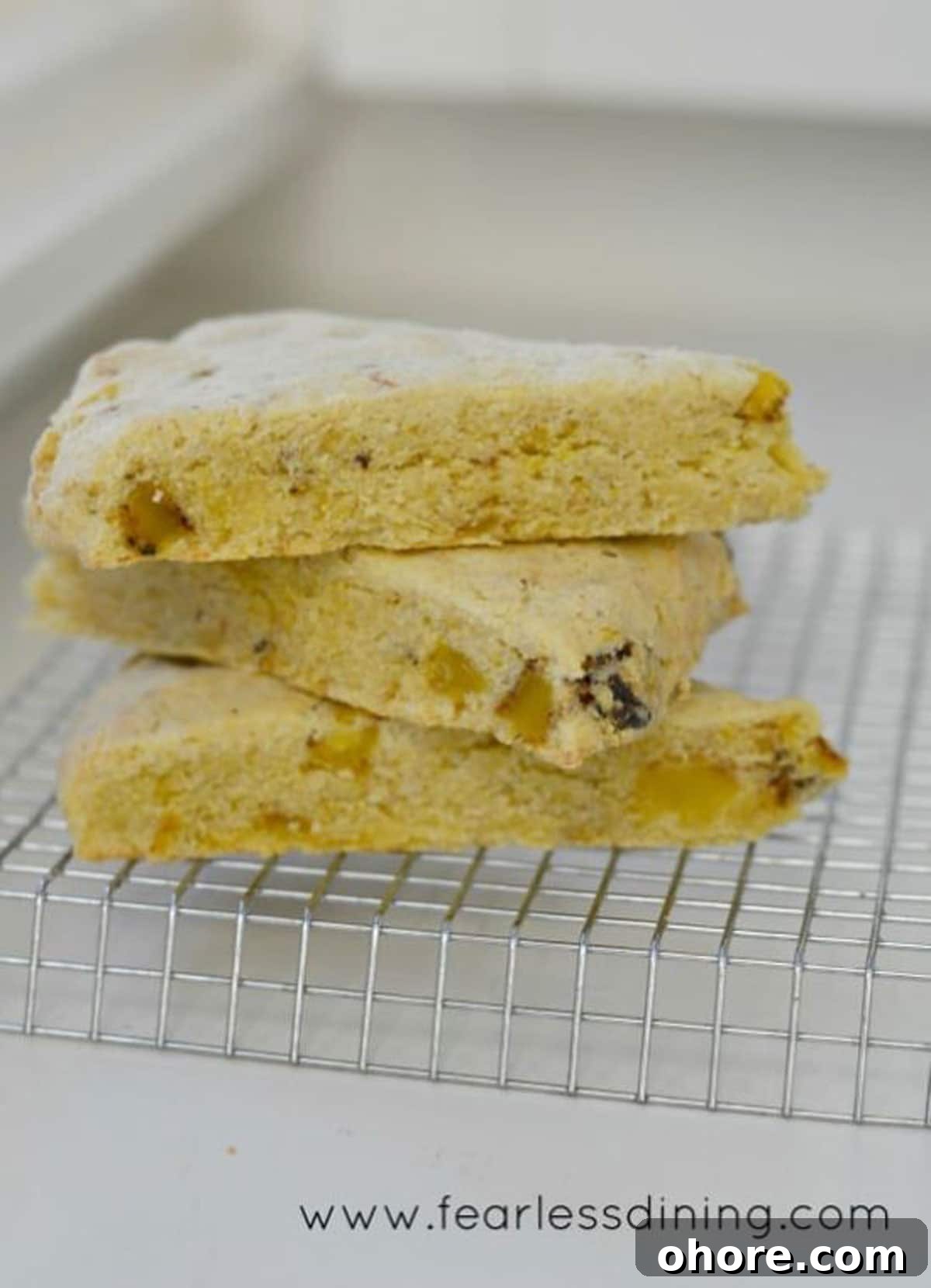
Rustic Gluten Free Cornmeal Scones with Winter Squash
Ingredients
- 1 cup diced roasted delicata squash
- 1 1/4 cup gluten-free cornmeal
- 3/4 cup gluten-free flour blend
- 1/2 teaspoon salt
- 2 teaspoons baking powder (aluminum-free)
- 4 tablespoons unsalted butter
- 1 tablespoon olive oil
- 1/2 cup milk or non-dairy milk
- 1/2 cup grated Parmesan or vegan Parmesan
Equipment
- parchment paper
- pastry blender (or two knives / fork)
Method
- Preheat the oven to 350ºF (175ºC).
- In a frying pan, heat 1 tablespoon olive oil over medium heat.
- Peel and chop delicata squash, removing seeds. Cook until tender, then allow it to cool completely.
- In a large bowl, whisk together 1 1/4 cups gluten-free cornmeal, 3/4 cup gluten-free flour blend, 2 teaspoons baking powder, and 1/2 teaspoon salt. Add 3/4 teaspoon xanthan gum if your blend lacks a binder.
- Add 4 tablespoons very cold unsalted butter and cut it into the dry ingredients until the mixture resembles coarse crumbs.
- Stir in the cooled squash and 1/2 cup milk (or non-dairy milk) until the dough is soft but manageable.
- Turn the dough onto parchment and shape into a 1½–2 inch disc. Make eight partial cuts about 1/4 inch deep, like slicing a pizza.
- Bake for 25–30 minutes, or until the tops are lightly golden. Thicker scones may need a bit more time.
- Cool on a rack. When cooled, finish cutting through the wedge lines with a sharp knife and serve.
Notes
- Be sure to use labeled gluten-free cornmeal to avoid cross-contamination.
- I tested this recipe with King Arthur Measure for Measure GF and Authentic Foods Multiblend. If your dough is too wet, add a bit more flour; if too dry, add a splash more liquid.
- If your flour blend lacks xanthan or guar gum, add 1 teaspoon xanthan gum (or 3/4 tsp as noted earlier to taste).
- To make dairy-free, swap in plant-based butter and non-dairy milk.
- Store in an airtight container in the fridge for up to 4 days or freeze for longer storage.
Gluten-Free Related Reading
Gluten-free baking relies on understanding how different ingredients interact. Check out gluten-free resources and tips to build confidence in your baking techniques and to get consistently better results.
My Best Gluten-Free Baking Tips for Better Baking!
Why Binders Are Important in Gluten-Free Baking
The Best Gluten-Free Flour Blends — and how to use them