January used to feel endless. Until a few years ago it dragged on: cold mornings, short grey days and the fading glow of the holidays made it feel like a long watch until spring. I used to declare winter over at the first timid sun in mid-February, even when snow or rain, scarves and runny noses suggested otherwise.
Now January has changed for me. I’ve learned to appreciate these slow days and even long for that lingering January. It’s the quiet window between holiday excess and the return of cooking classes, a time when I tackle a long list of projects I’ve been saving all year. Paradoxically, January now always seems too short.
A season for stocking the pantry
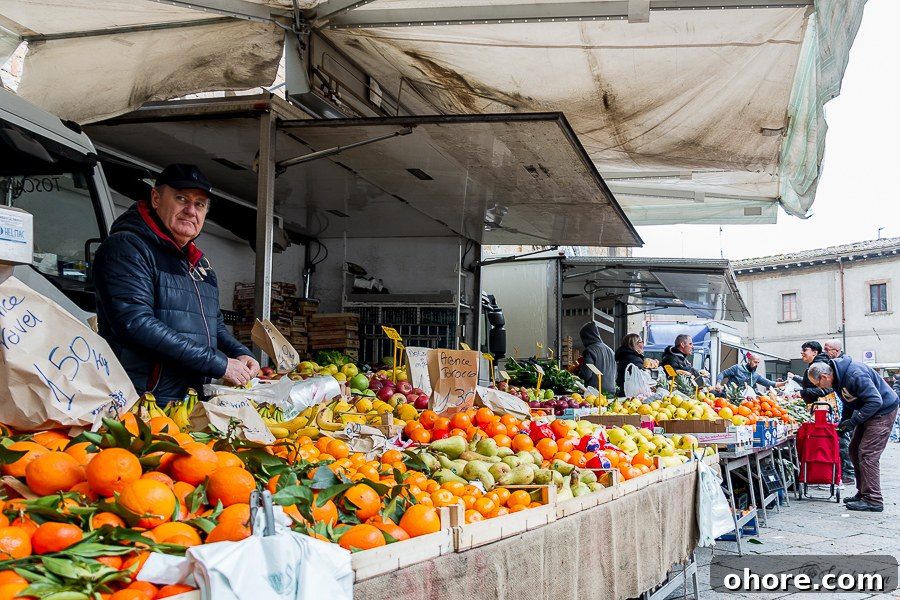
In this interim I focus on replenishing the pantry and buying fresh ingredients. Weekly trips to the butcher yield local cuts—organic beef cheek for a hearty spezzatino, chicken breasts for quick sautés with capers and lemon, or free-range pork loin for a fast pan-fry finished with orange and fennel. On market days I choose fresh fish from the Tuscan coast—sardines, squid, mackerel—and pile up seasonal vegetables from friends’ stalls: cauliflower, broccoli, bitter winter greens, radicchio, butternut squash and fennel all find their place in my kitchen.
I always keep a generous bowl of seasonal citrus on the counter. Their bright colours and clean scent lift the house and their acidity brightens many winter dishes.
A balanced winter diet
My winter meals aim to be satisfying and energising. Whole grains form the backbone: whole-wheat pasta, brown rice, spelt and barley for soups and salads, sourdough bread and oat porridge for breakfast. Pulses are a staple—I clear out the odds and ends at the back of the pantry before buying new bags. Lentils become soups with butternut, side dishes with brown rice, stews scented with garlic and bay leaves, or the heart of a minestrone.
Seasonal vegetables star at every meal.
I make filling soups to warm from the inside out: bowls of minestrone enriched with cereals and pulses, rich dressings for pasta, and trays of oven-roasted vegetables as sides. Lemony fennel wedges or radicchio dressed with orange juice are regulars. I toss bright, crunchy salads with extra virgin olive oil and a splash of citrus for freshness.
As an omnivore, I include organic meat, oily fish—our pesce azzurro such as sardines and mackerel—eggs from our hens and sometimes cheese, depending on the meal.
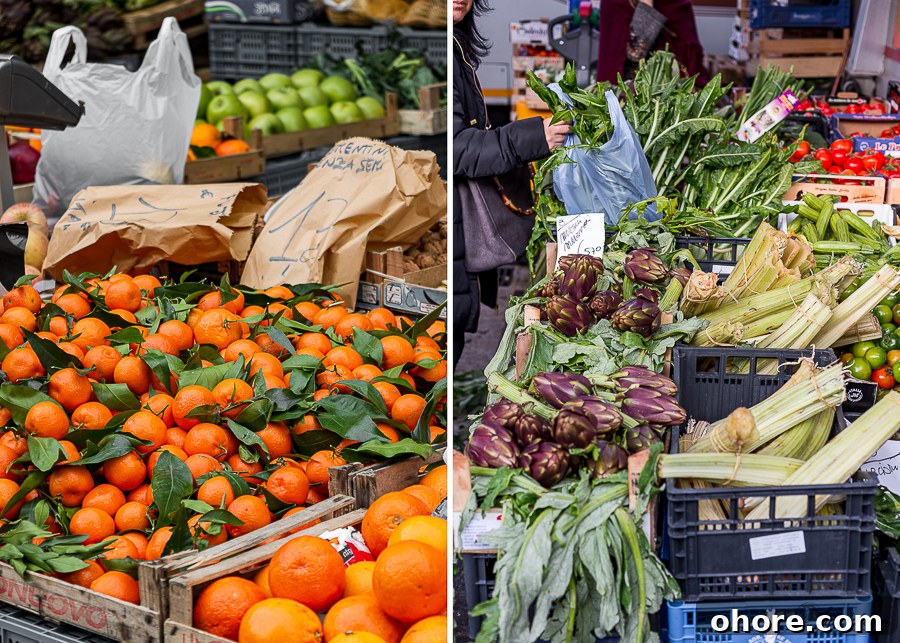
Citrus is central to my winter kitchen: clementines and mandarins, sweet and bitter oranges, blood oranges, Amalfi lemons, fragrant Calabrian bergamots and large citrons for candied peels. I can’t imagine winter without citrus: their zest and juice are my herbs when the pots outside lie dormant.
Celebrating the citrus season
Citrus brightens cold days and lifts rich winter dishes, and I use it everywhere: snacking on clementines straight from a paper bag, juicing oranges and bergamots for morning drinks, or zesting lemons into cake batter. Their acidity and aroma transform everyday recipes.
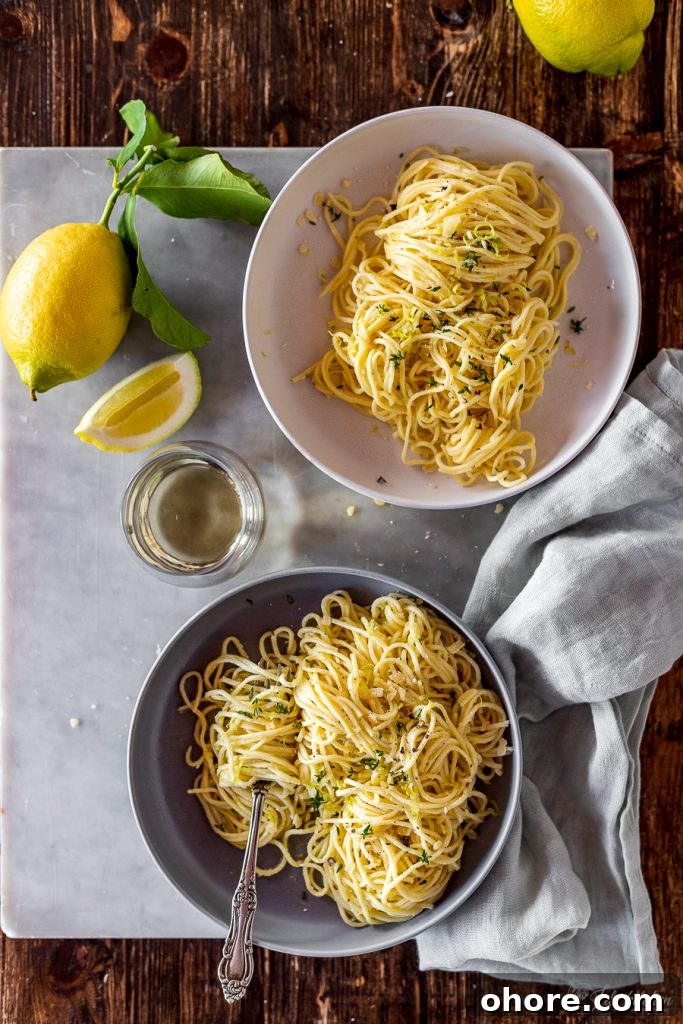
First courses
I grate lemon zest on almost everything. Its bright, cutting note balances the richness of many winter comfort foods. Lemon tagliolini is a perfect example: the acidity of lemon balances butter, fresh egg noodles and cheese. Risottos also benefit from a citrus note—lemon works beautifully with spring vegetables and pecorino, while orange pairs naturally with many fish dishes.
Lemon zest is also a surprising final flourish for a rabbit ragù. It lifts the dish and adds a fresh contrast to the meat’s richness.
Main courses
One of my favourite meat dishes using citrus is faraona all’arancia—my mother’s orange-braised guinea fowl with pancetta. It’s a homey version of duck à l’orange, using orange juice and slices to complement the meat. Orange and lemon juices are also excellent for marinades: they tenderise and flavour meats, such as beef skewers basted with a lemon, orange and mustard mixture.
When roasting chicken, I often pair lemon with clementines and sometimes add fennel. For fish—mackerel, sea bream and sea bass—lemon is my go-to, especially when roasting whole, either simply salted or wrapped in parchment.
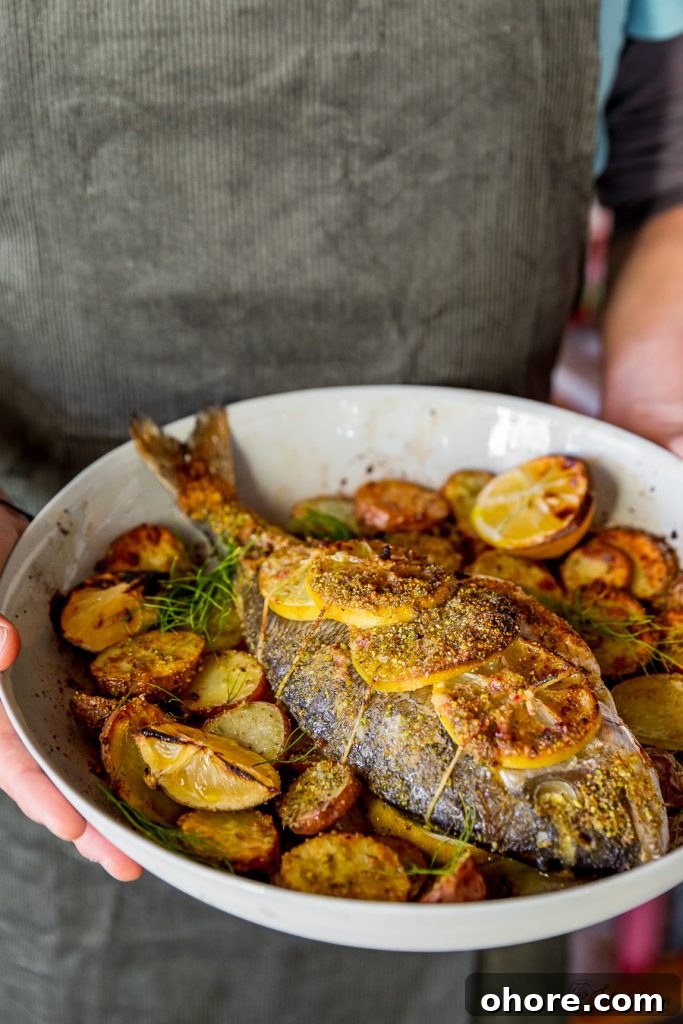
Side dishes
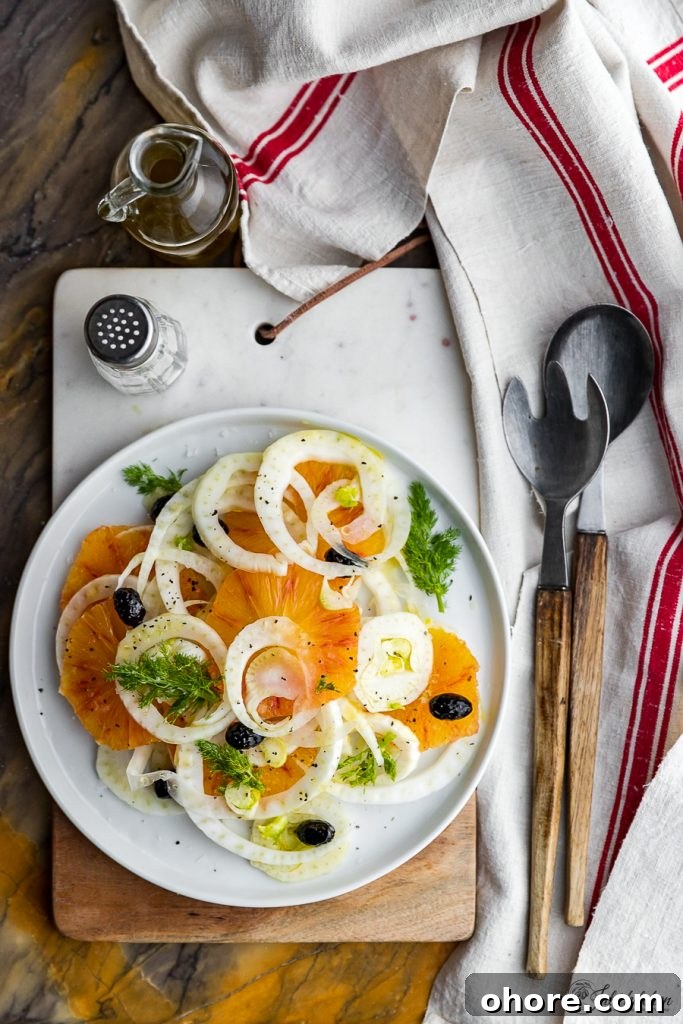
Citrus makes excellent salads—an Italian and Southern tradition. A blood orange salad drizzled with olive oil and seasoned with salt and pepper is simple and striking. I often add chopped pistachios or mix different citrus varieties for colour and texture. When using citrons in salads, you slice and use the thick peel chunks, which soak up dressing beautifully.
A fennel and orange salad is my go-to side, especially with grilled fish or pork. Make it heartier by adding crumbled goat cheese, anchovies, or a torn buffalo mozzarella; serve with crusty bread and plenty of olive oil.
Citrus as dressing
Citrus often performs as a dressing: a squeeze of lemon with extra virgin olive oil was the classic condiment of my youth. I also use citrus-based marinades or dressings to season vegetables before roasting—garlicky lemon on fennel and a splash of orange over radicchio enhances caramelization and flavour.
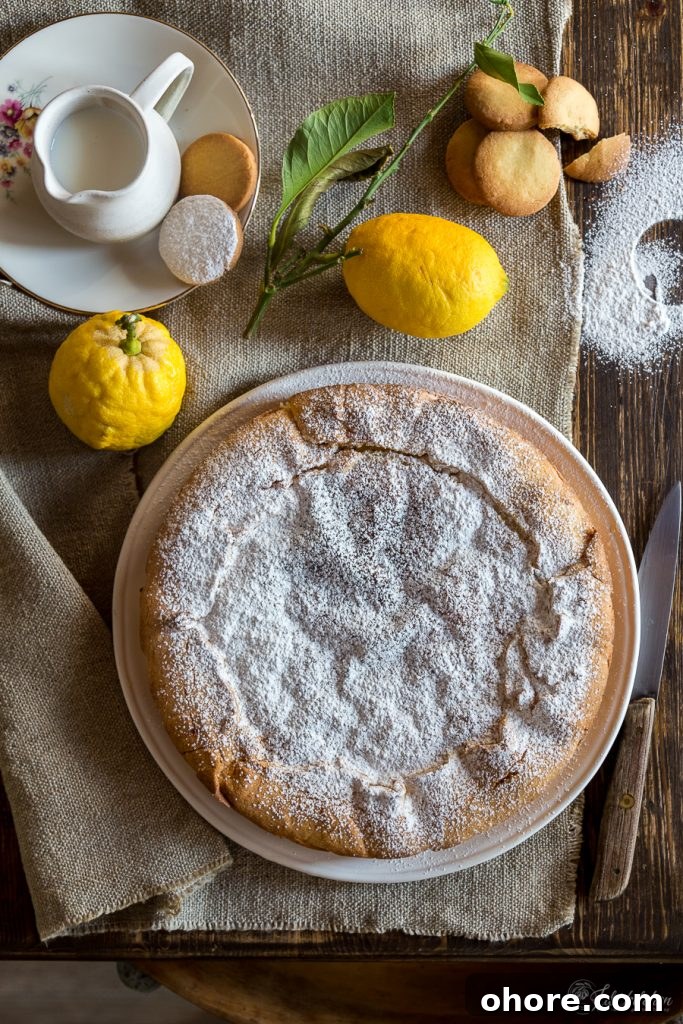
Desserts
Citrus has always been a star in my desserts. Lemon zest lifts cakes, and dark chocolate with orange is irresistible. My grandmother made thin candied orange peels dipped in dark chocolate—kept in a jar that I’d pilfer from often. Lemon curd was a revelation for me—rich, buttery and tangy—and sealed my love for English-style citrus sweets.
On this blog you’ll find lemon polenta cake, lemon bundt cake, rice pudding tart and lemon-and-honey panna cotta among other citrus-forward desserts. My favourite chocolate cake features clementine juice and zest, olive oil, almond flour and wholemeal spelt for a moist, aromatic slice.
Preserves
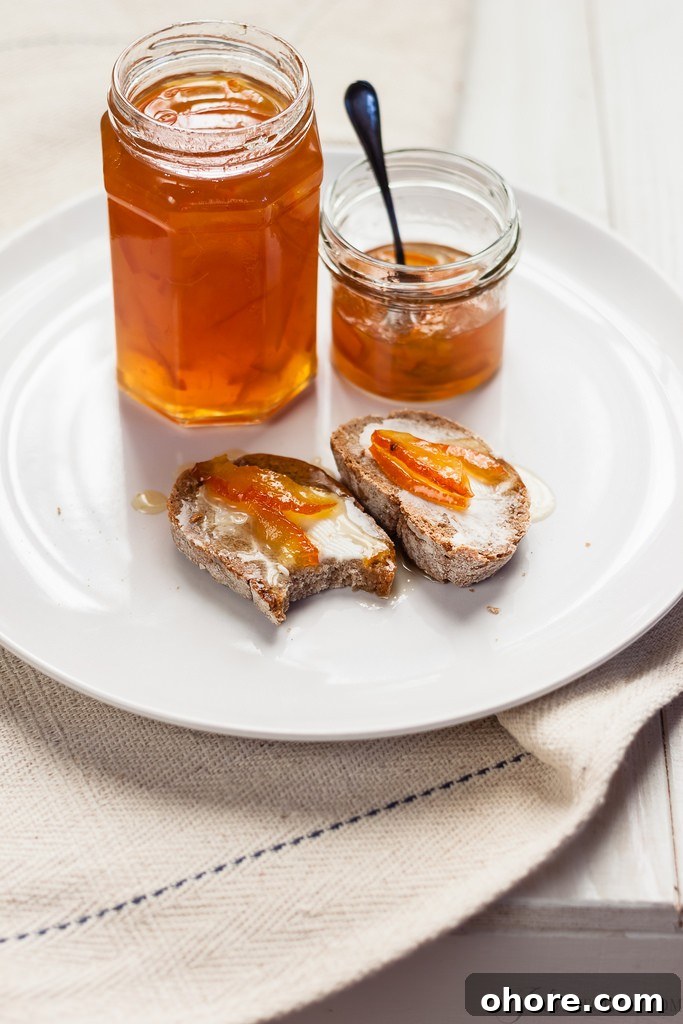
Every winter I make mixed citrus marmalade. I alter the ratios of lemons, oranges, citrons, blood oranges, bergamots and bitter oranges so each year’s batch has a unique character. Slicing thick peels is a ritual I love—pots simmering on the hob fill the kitchen with intoxicating oils.
Bitter orange marmalade has a compelling, slightly challenging bite; bergamot marmalade is intensely aromatic and reminiscent of Earl Grey. A mixed citrus marmalade balances sweetness, bitterness and bright acidity, making it perfect for toast, cake fillings or glazing pork. I also candy peels for jars of translucent crescents in syrup and make a fine orange powder to use when fresh zest isn’t available—sprinkled on biscuits, cakes, risottos or fish.
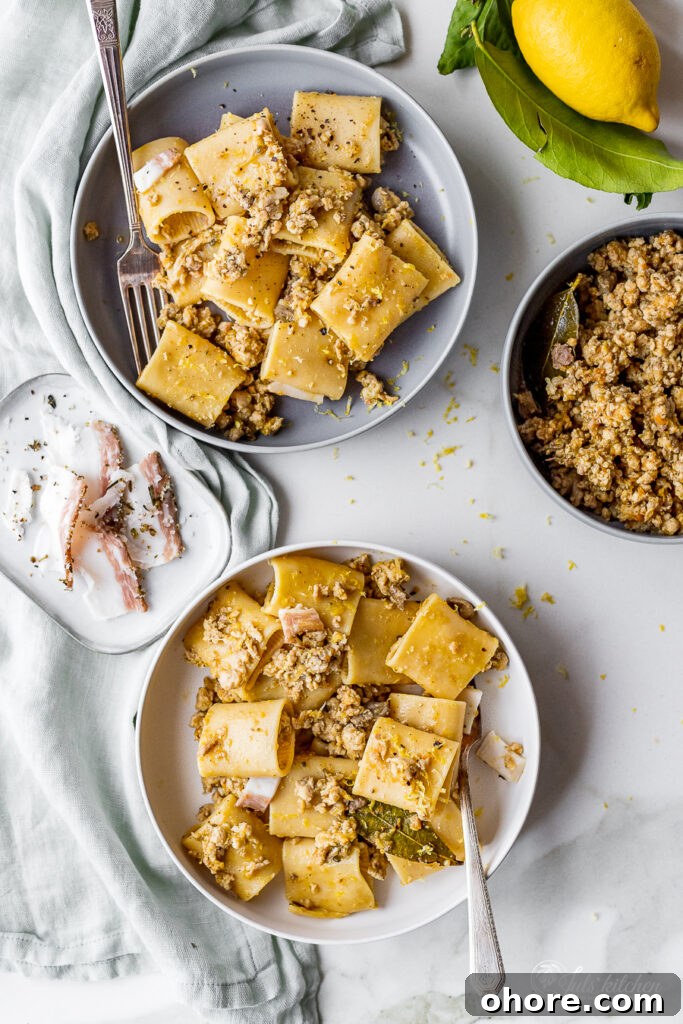
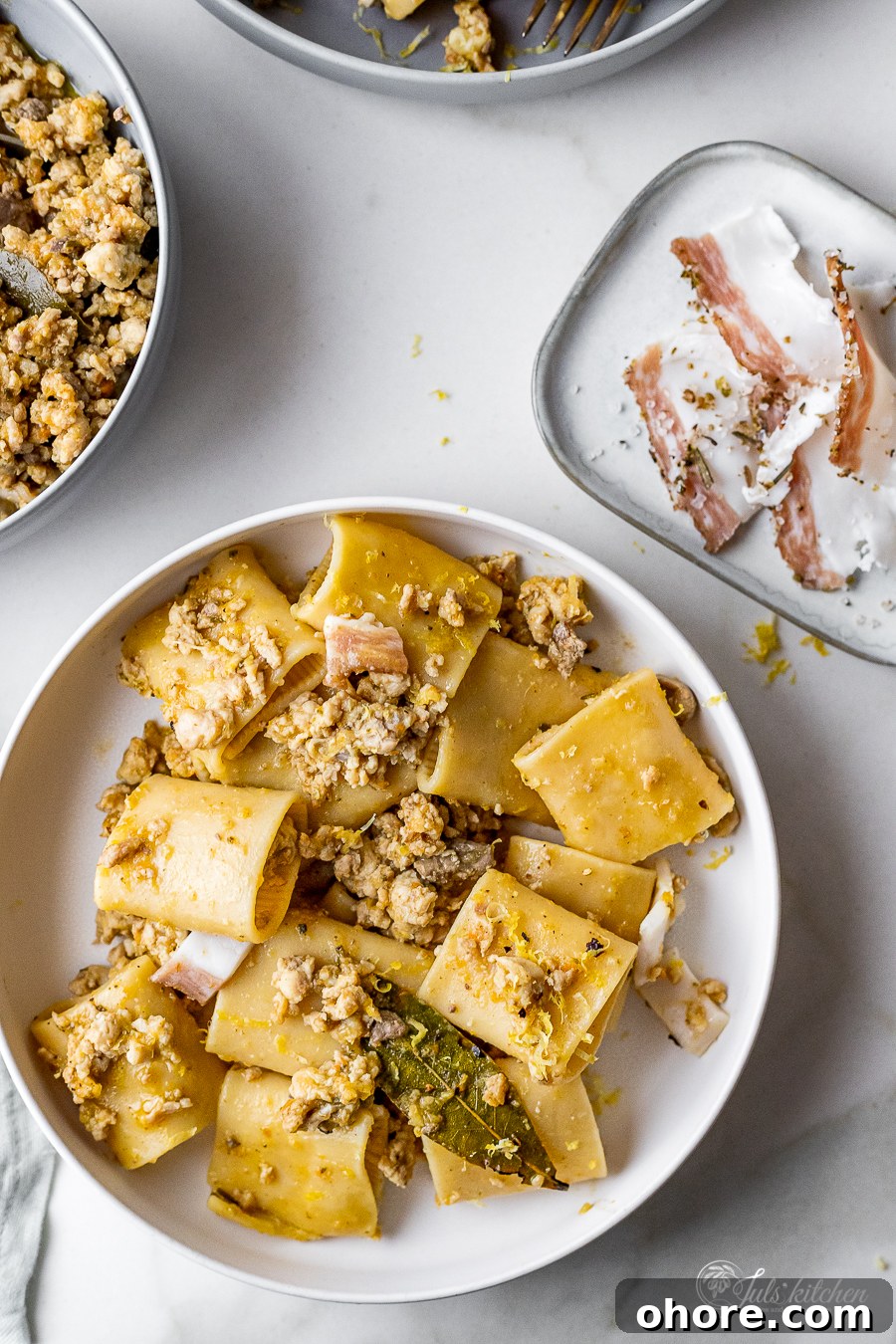
Paccheri with rabbit ragù
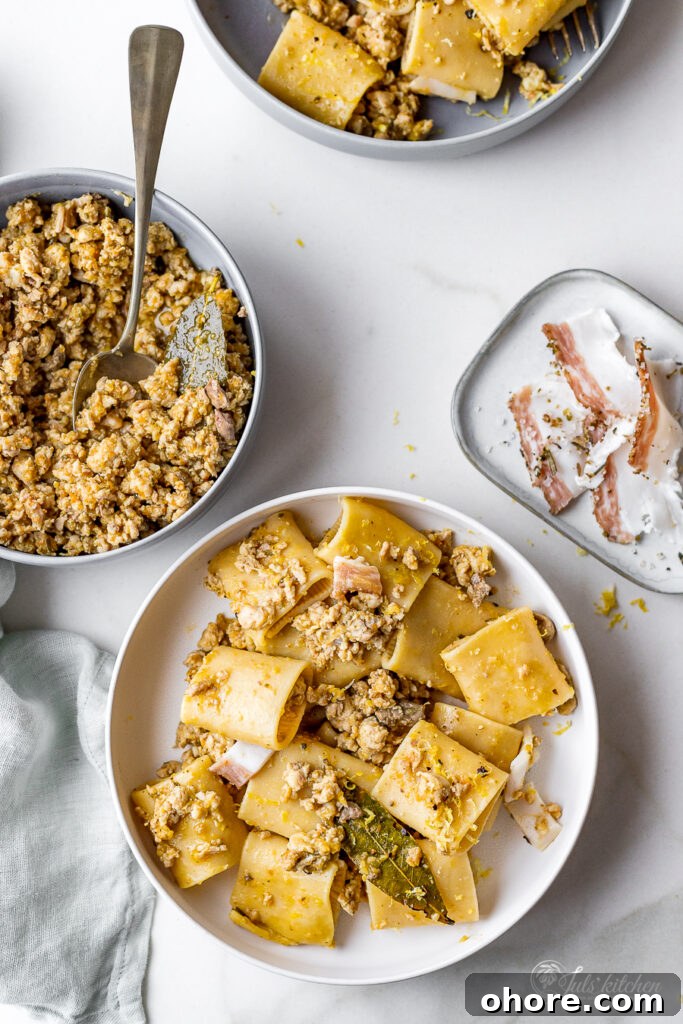
This rabbit ragù, brightened with lemon zest, is a long-time favourite. Years ago I shared an early version when the blog was new; the final lemon zest made a modest appearance but left a strong memory. I revisited and refined the recipe, keeping the essence: a white meat ragù without tomato that contrasts lemon’s freshness with the richness of lardo.
Rabbit is a common, tender white meat in Tuscany and works beautifully in a ragù that’s gentle, savoury and aromatic. The dish becomes a satisfying Sunday meal when tossed with short pasta—paccheri or another sturdy shape—finished with lemon zest and shards of lardo.
Paccheri with rabbit ragù
Ingredients
- 1 rabbit (about 1.3 lb of meat once deboned)
- 100 g rabbit liver
- 1 carrot
- 1 stalk celery
- 1 white onion
- 1 clove garlic
- 10 sage leaves
- 1 sprig rosemary
- 2 bay leaves
- Extra virgin olive oil
- 200 ml dry white wine
- 200 ml hot water, slightly salted
- Salt and freshly ground black pepper
- 1 organic lemon
- 8 very thin slices of lardo
- 500 g short pasta (paccheri recommended)
Instructions
- Debone the rabbit or ask your butcher to do it. Finely chop the rabbit meat and set aside the liver whole.
- Make a battuto: finely chop carrot, celery, onion, garlic, sage and rosemary. This forms the flavour base.
- Heat extra virgin olive oil in a pot, add the battuto and bay leaves, season generously with salt and sauté on low heat for about 10 minutes until soft.
- Add the chopped rabbit meat and whole liver. Stir to combine, season with salt and pepper and cook over medium heat for about 25 minutes, stirring to break up the liver and brown the meat.
- Pour in the white wine in three additions, reducing between each addition.
- Add the hot salted water, reduce the heat to low and simmer for about 30 minutes. Taste and adjust seasoning.
- Cook the pasta in plenty of boiling salted water until al dente, drain and toss with the ragù.
- Zest an organic lemon over the pasta like a finishing cheese, add torn pieces of lardo and toss well. Serve immediately.
Final thoughts
Winter’s citrus season is a time to celebrate brightness and balance. From simple salads and marinades to marmalades and desserts, citrus reshapes rich winter food into lighter, more vibrant dishes. Keep a bowl of mixed citrus on your counter this season—you’ll find countless ways to use them.