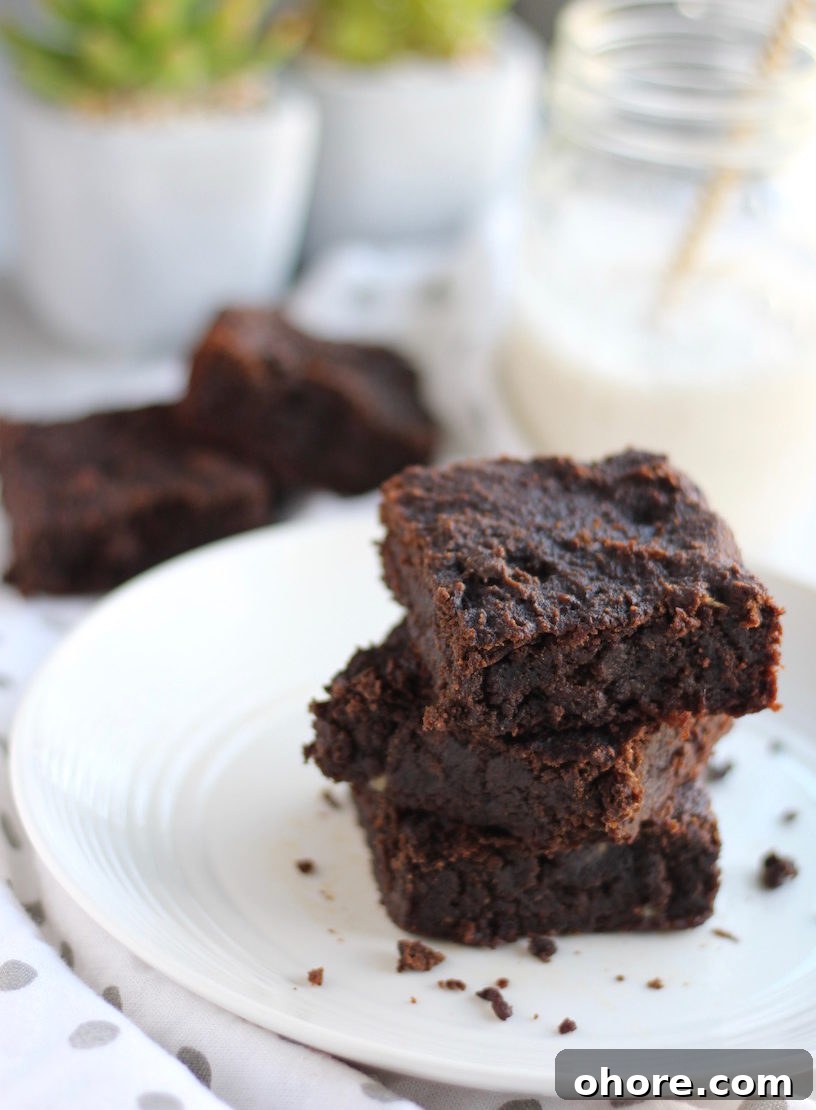
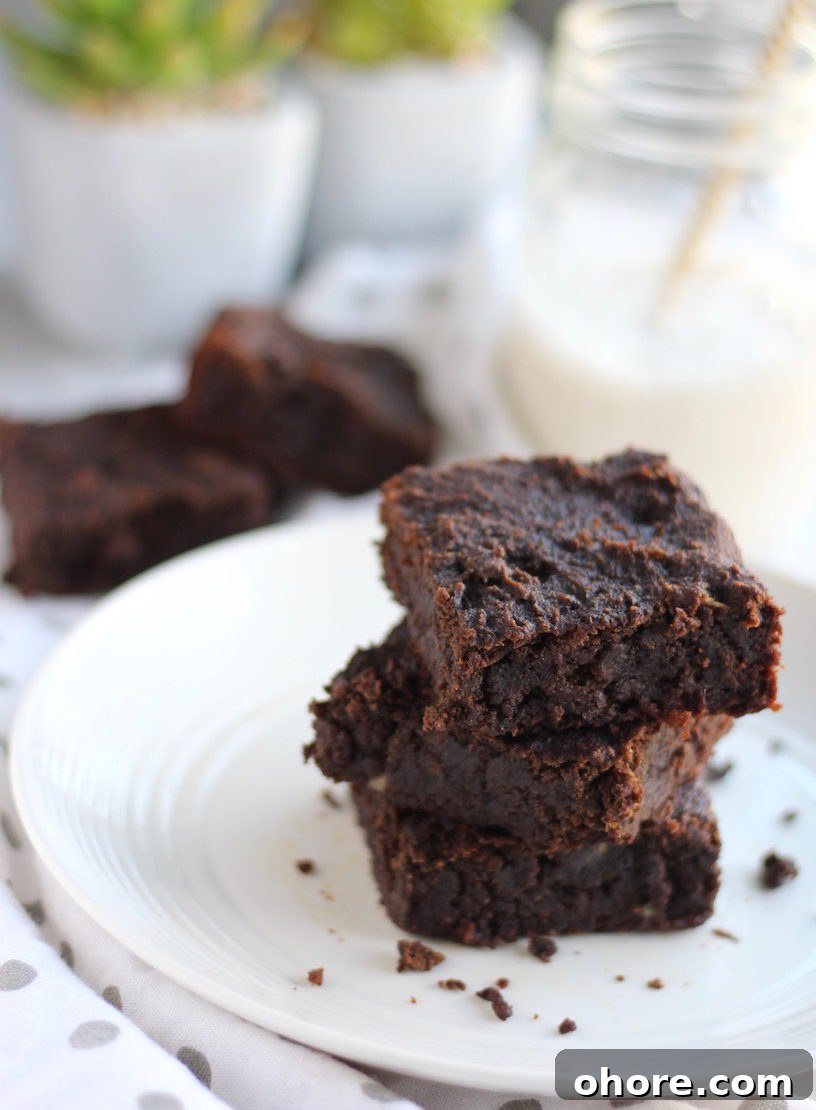
 Chocolate. When the craving hits, few flavors satisfy like rich, velvety chocolate. Almost nothing replaces it — but these AIP Carob Banana Brownies come close. If you’ve removed chocolate from your diet, or simply want a caffeine-free, gut-friendly substitute, carob can deliver a delicious alternative.
On my autoimmune protocol (AIP) journey, many people ask which foods I miss most. Chocolate tops that list every time. I experimented with fruit-based desserts, coconut butter, and coconut milk ice cream to fill the void, but discovering carob powder made the biggest difference. My first taste of carob was a birthday layer cake my mom made for my 32nd birthday; I was pleasantly surprised by how satisfying it felt in place of chocolate.
It’s important to note that carob doesn’t taste exactly like chocolate. It’s a bit sweeter and can have a subtle prune-like aroma, which initially put me off. But the flavor is milder and more naturally sweet, and once baked it blends beautifully into baked goods. Carob is caffeine-free, typically easier on the gut, and less inflammatory than cocoa — all reasons it’s a helpful option for the AIP diet. These AIP Carob Banana Brownies are a cross between banana bread and a fudgy cake: dense, moist, and satisfying without dairy, eggs, gluten, or nuts.
If you’re concerned about cross-contamination with gluten, choose a certified gluten-free carob powder. Some brands are clean; others are processed in facilities that handle wheat, so check labels carefully. I’ve used brands labeled gluten-free and had no problems. Carob is made from ground carob pods, producing a powder with a cocoa-like consistency but without caffeine. For anyone avoiding chocolate on AIP, carob is an excellent substitute.
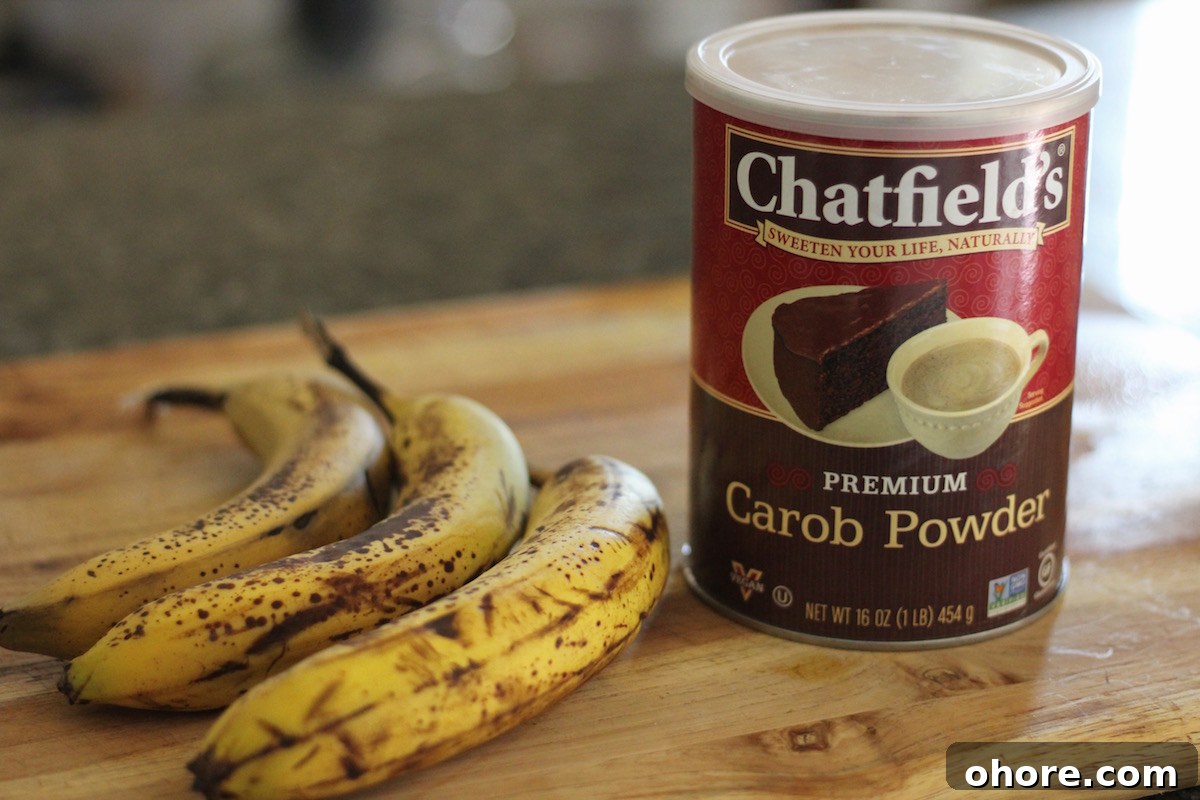
This recipe uses a few specialty ingredients: ripe bananas for natural moisture and sweetness, coconut butter and coconut oil for richness, arrowroot starch for structure, and gelatin used as an egg substitute to provide binding and a good texture. If you don’t need to avoid cocoa or eggs, you can substitute cocoa powder for carob and use an egg or egg replacement of your choice — though I haven’t personally tried that variation.
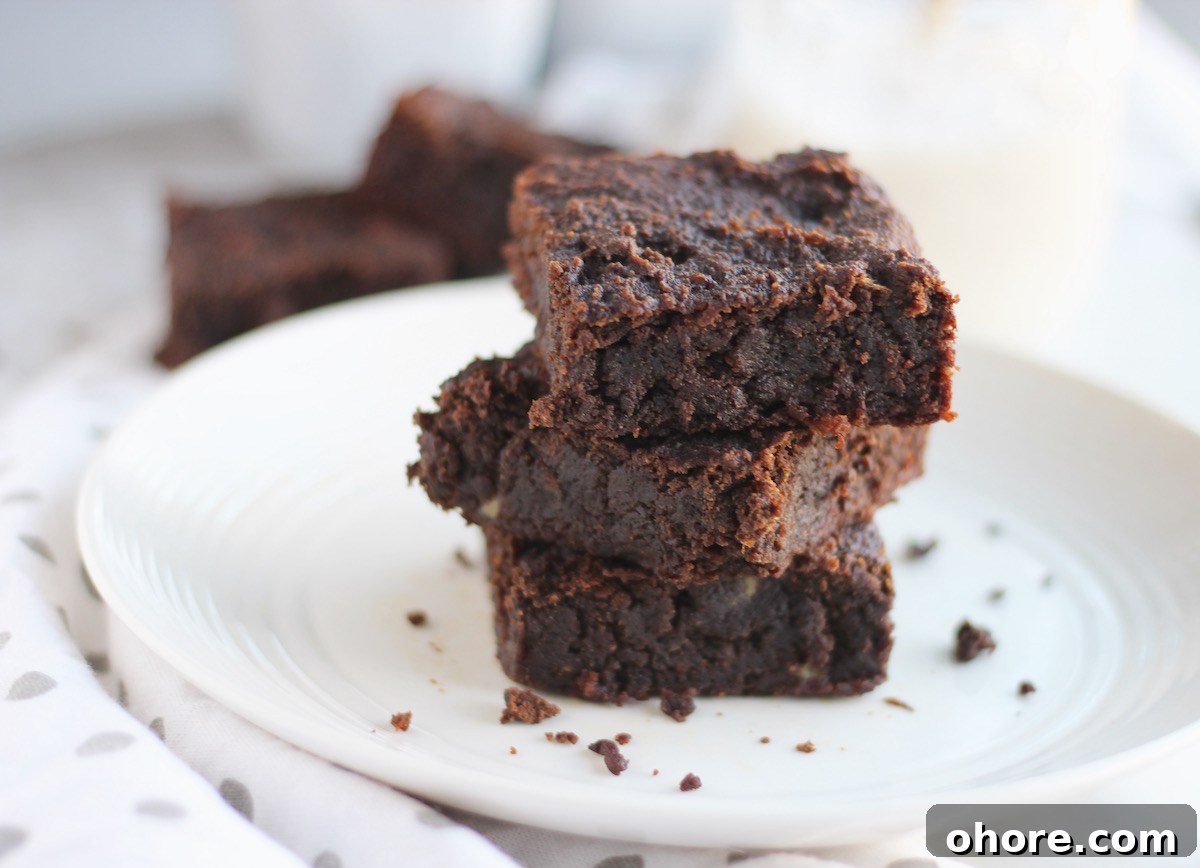
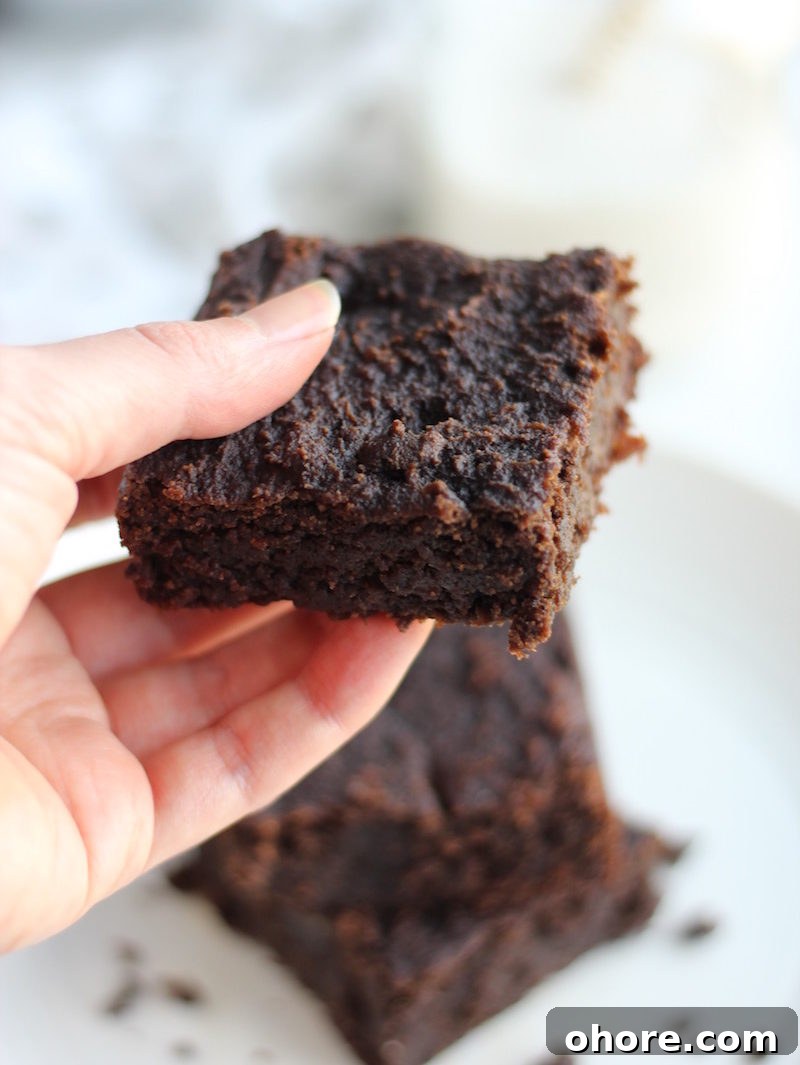
The texture of these brownies surprised me: dense, fudgy, and moist without a heavy coconut flavor despite using coconut products. Ripe bananas keep them soft and tender, and the carob gives them a familiar, chocolate-like depth. Even friends and family who are not on AIP enjoyed these bars, which makes them perfect for sharing.
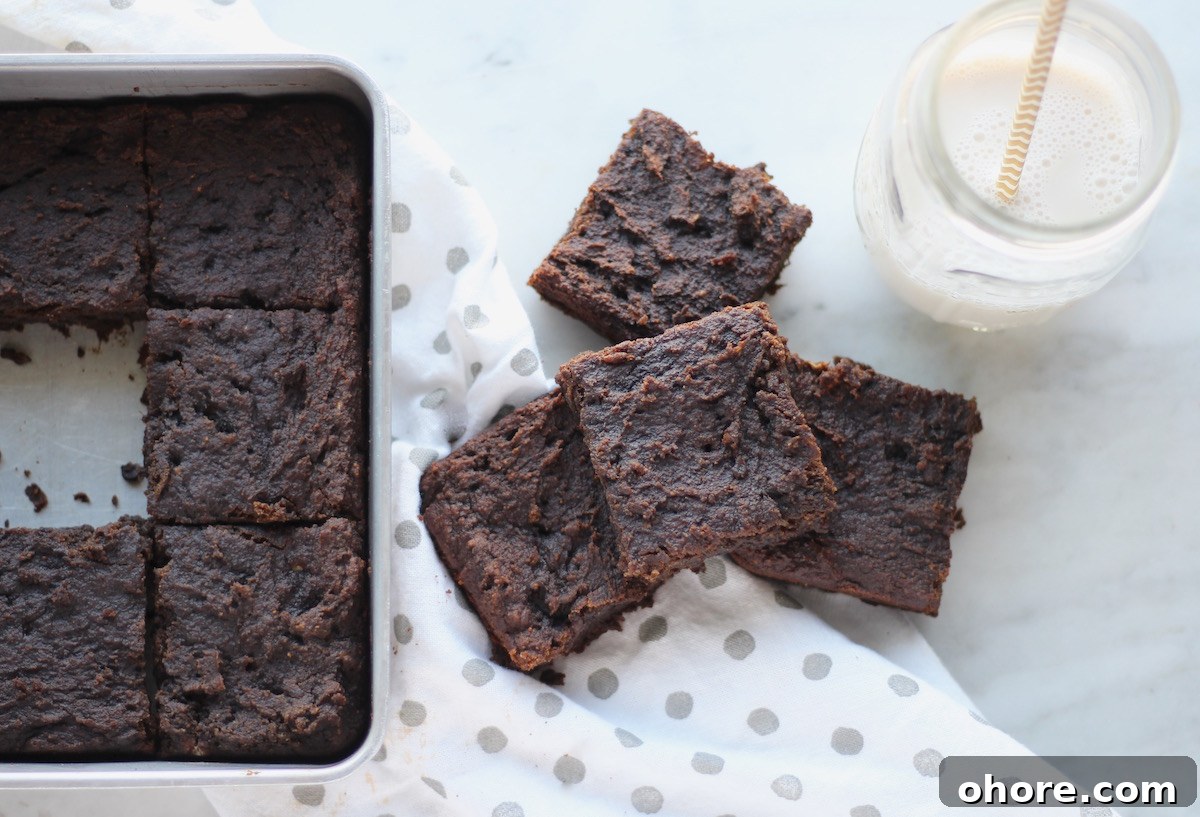
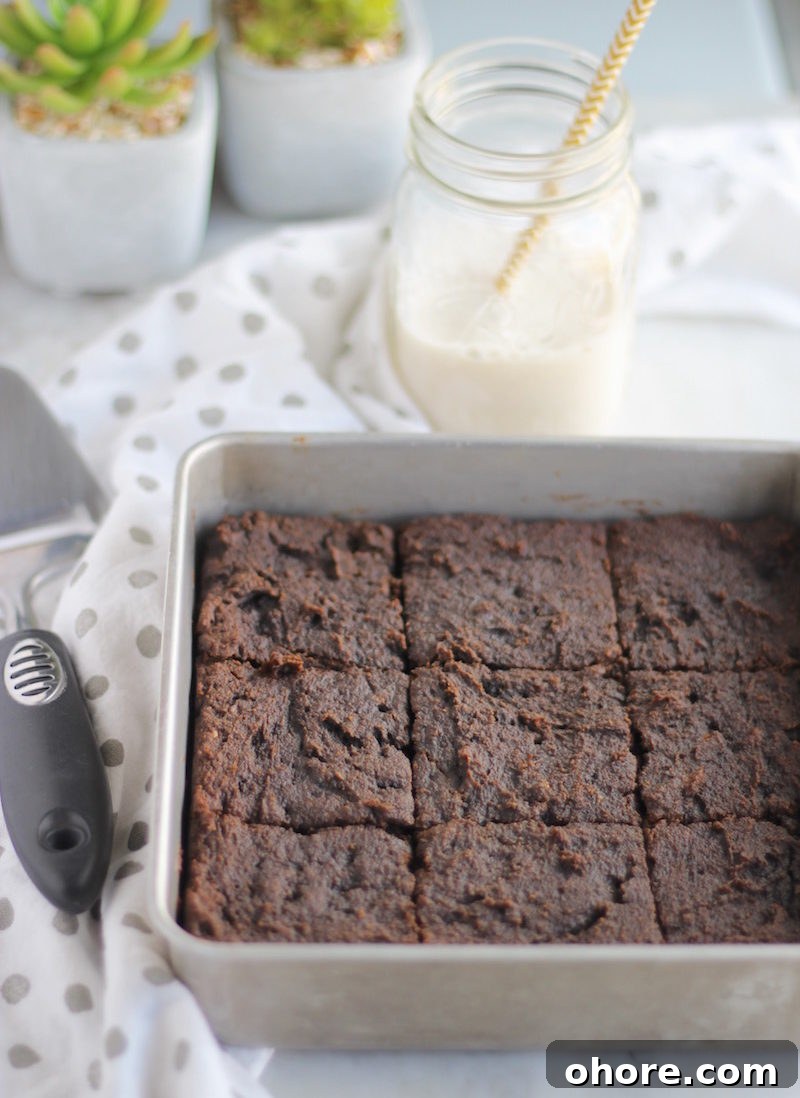
To prepare the brownies, mix wet and dry ingredients separately, then combine them. Prepare the gelatin “egg” on the stove and stir it into the batter to help bind the mixture. The batter will be thick; an 8×8” pan yields thick, fudgy slices, while a larger pan will produce thinner squares that require less baking time. Once baked, cool slightly and cut to your preferred size — I like large squares but smaller pieces are ideal for portion control.
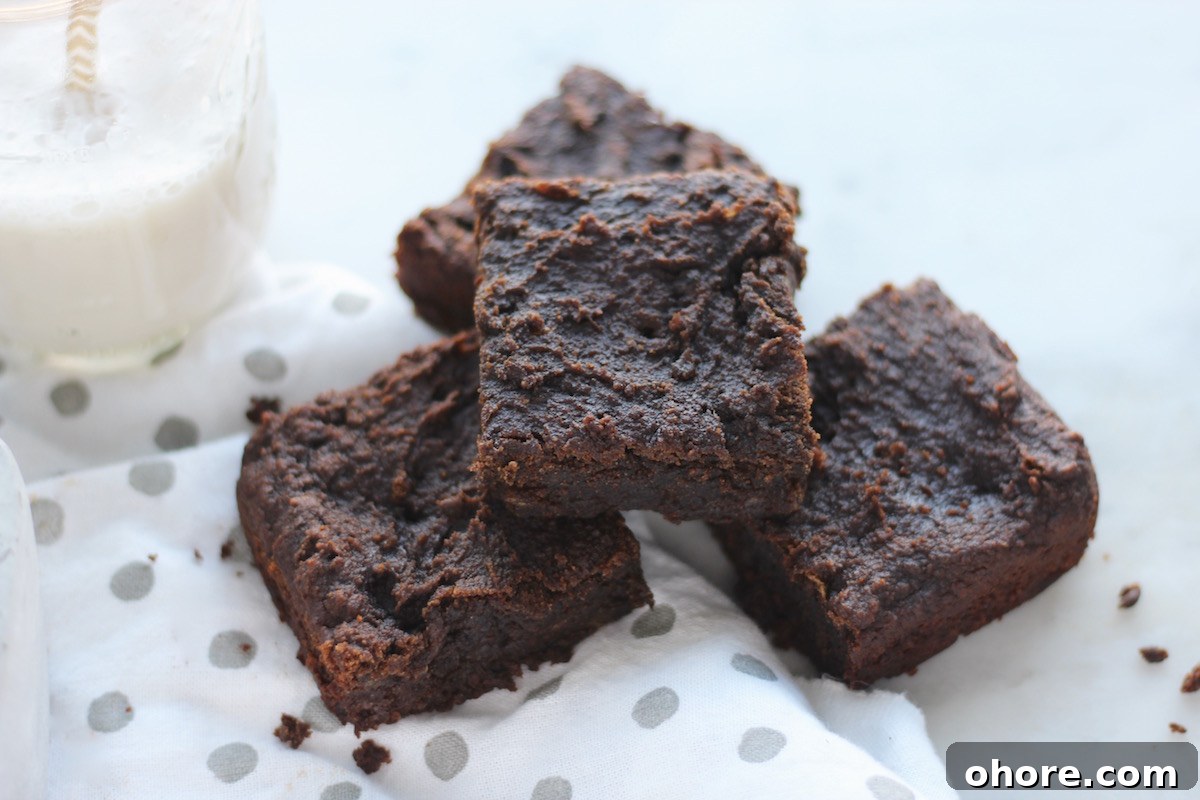
These brownies are great for back-to-school snacks, after-school treats, summer picnics, or casual dessert at a dinner party. Serve them plain with a glass of almond or coconut milk, or add a scoop of coconut milk ice cream for an extra indulgence. If you can tolerate cocoa and eggs, consider trying a classic flourless fudge brownie recipe as another Paleo-friendly option.
- 1.5 cups mashed banana (about 3 ripe bananas)
- 1/2 cup coconut butter, melted
- 1/4 cup coconut oil, melted
- 1/8 cup raw honey
- 1/2 cup coconut flour
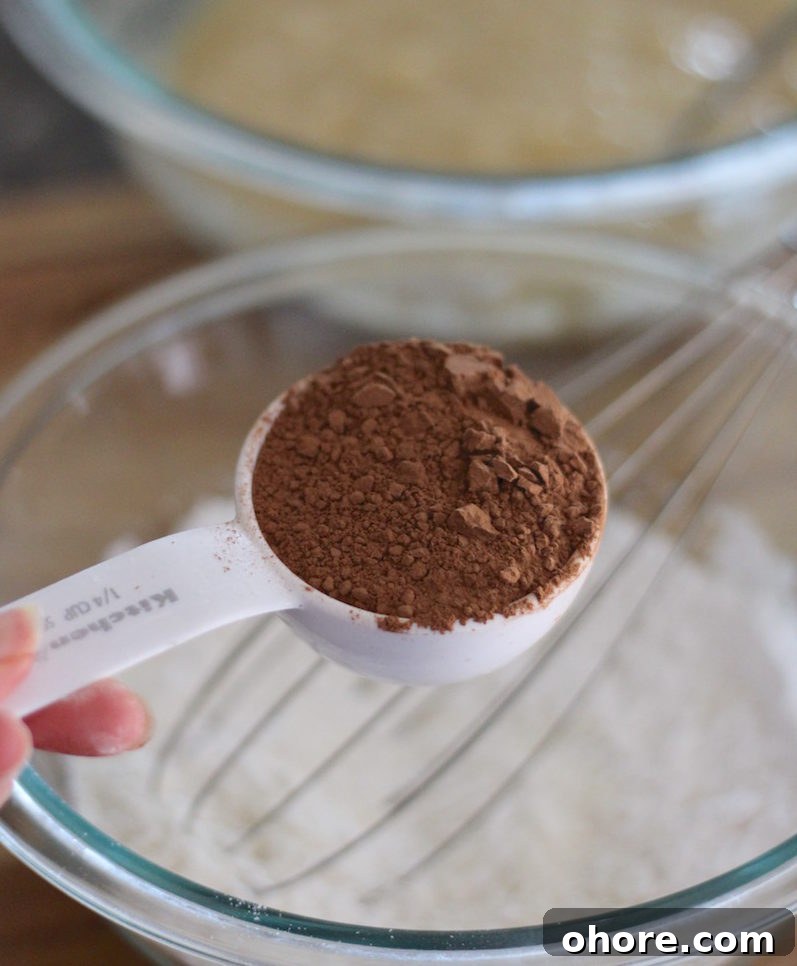
- 1/4 cup carob powder
- 1/4 cup arrowroot powder
- 1.5 teaspoons baking soda
- 1/2 teaspoon cream of tartar
- 1/4 teaspoon sea salt
- 1 teaspoon apple cider vinegar
- 1 gelatin “egg” (1 tablespoon gelatin + 4 tablespoons water)
- Preheat oven to 350°F (175°C). Grease an 8×8” square pan with coconut oil.
- In a large bowl, combine the mashed bananas, melted coconut butter, melted coconut oil, and raw honey. In a separate bowl, whisk together coconut flour, carob powder, arrowroot, baking soda, cream of tartar, and salt.
- Stir the dry ingredients into the wet mixture until combined. Add the apple cider vinegar and stir gently.
- To make the gelatin egg, pour 4 tablespoons water into a small saucepan and sprinkle 1 tablespoon gelatin over the surface. Let it sit for a minute, then whisk over low-medium heat until the mixture becomes foamy and well combined.
- Stir the warm gelatin into the brownie batter. The batter will be thick; spread it evenly into the prepared pan.
- Bake for 30–35 minutes, or until a toothpick inserted in the center comes out clean. Allow to cool slightly before cutting into squares.
**This post contains affiliate links; I may receive a small commission if an item is purchased. This does not change my opinions — I only share products I use and trust.**