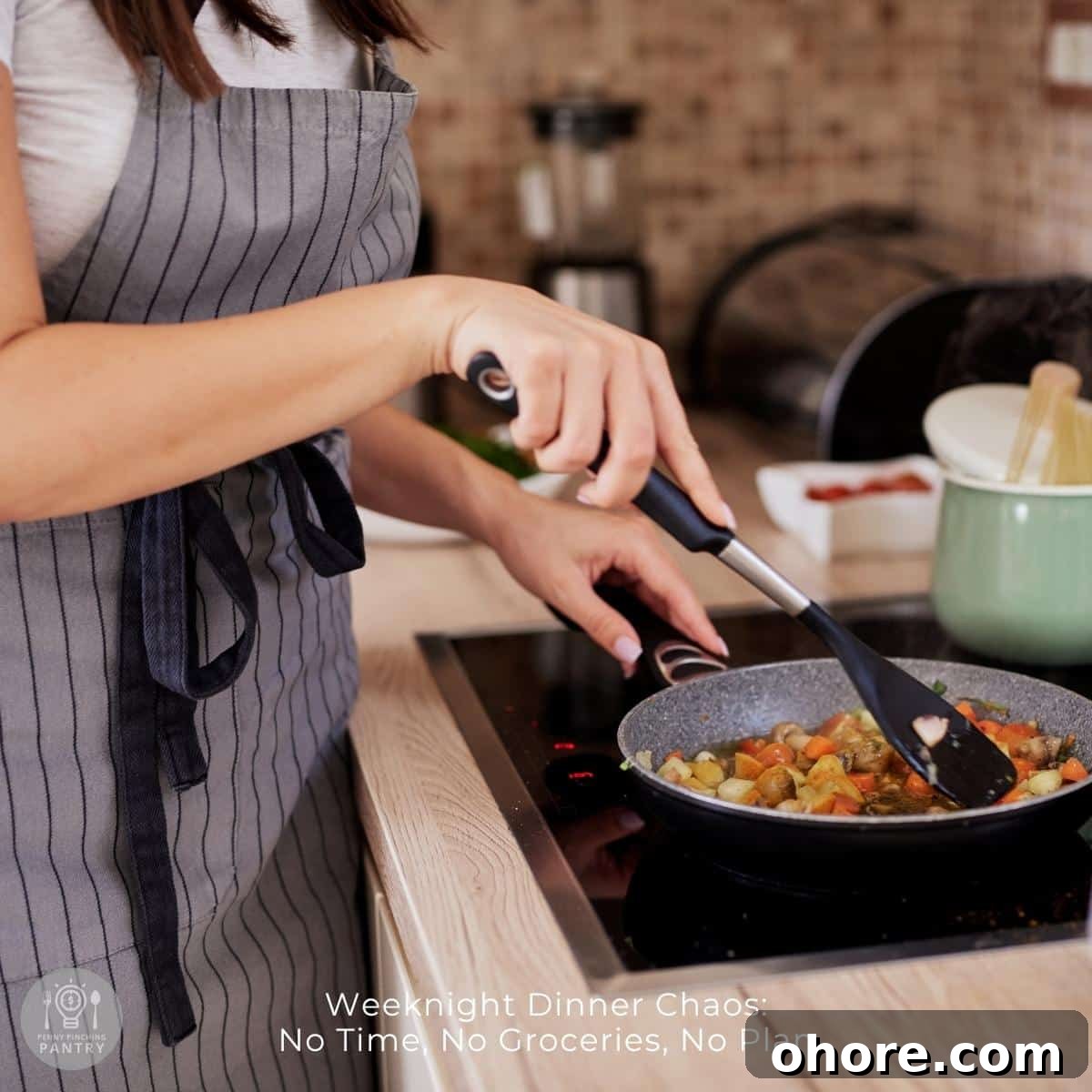
It’s 5:43 p.m. in suburban Georgia. One parent is stuck in traffic after soccer drop-off, while the other opens the fridge and tries to turn half a rotisserie chicken, a bag of baby carrots, and a nearly expired yogurt into dinner for five. The kids are hungry, there’s no time to shop, and the clock is ticking.
For many families, the real challenge isn’t the meal but the scramble that happens before it. What once felt routine has become a daily source of stress. Takeout can seem like the easiest option, and often it wins. But there are simpler, more sustainable alternatives.
That alternative is meal planning. Even a basic plan—like picking three dinners for the week—can transform weeknight evenings. Planning saves time, reduces food waste, and helps you stretch your grocery budget. When you plan ahead, you use what you buy, avoid extra trips to the store, and make dinnertime calmer and more economical.
The struggle is real
Families still try to make dinner a priority. A recent survey found that most parents value family meals, yet many dinners happen in shifts, on the go, or under stress. Some are homemade, but an increasing number of meals come from takeout, fast-food drive-thrus, or whatever can be tossed together in under 20 minutes.
The reasons are familiar: long workdays, late practices, rising grocery costs, and low energy by the end of the day. Even parents committed to family meals often find weeknights hard to manage.
Planning makes the difference
Dinner doesn’t start when the stove comes on; it starts with a plan. Without one, grocery shopping becomes guesswork, the fridge accumulates mismatched ingredients, and by 6 p.m. it’s back to takeout or cereal.
Even planning just three dinners for the week can take stress out of your evenings and help you save money by using what you already have.
A simple, visible plan removes decision fatigue from the most exhausted part of the day and provides structure for the whole household. Social media often showcases elaborate meal prep routines—rows of containers, color-coded charts, and long Sunday sessions—but for many families that level of prep isn’t realistic.
If your time is limited, choose recipes that need minimal prep and use pantry staples. One-skillet chicken, quick pasta dishes, or a simple taco skillet can come together in under 30 minutes with few dishes to wash. Having two or three reliable, quick recipes in rotation can greatly reduce nightly chaos.

Grocery prices don’t help
Food costs have risen in recent years, with meat, poultry, fish, and eggs among the items showing sharper increases. Cooking at home remains less expensive than eating out, but only when groceries are planned and used efficiently. Without a list, impulse buys and wasted ingredients can quickly erode savings.
This is where pantry-friendly recipes shine. Dishes built around canned goods, pasta, rice, and frozen vegetables are affordable, quick, and adaptable. Canned salmon patties or a simple tuna-and-noodles meal take under 30 minutes and can be modified based on what’s on hand, helping you stretch groceries when the budget is tight.
It doesn’t have to be complicated
Lowering expectations can relieve dinner stress without sacrificing nutrition or family connection. Meals that require minimal prep and cleanup are often the most sustainable. Sheet-pan dinners, one-pan sautés, and skillet meals let you set dinner in the oven or on the stove and focus on other tasks while food cooks.
Small strategies—prepping a few vegetables, cooking a grain batch to use through the week, or freezing sauce portions—make weeknights easier, but none of these need to be done every week. The goal is to build helpful habits, not create a system that adds more stress.
Kristin’s Kitchen Tip
Keep a running list of meals that use pantry staples and sale items. Planning around what you already have or what’s on special stretches your grocery dollars without sacrificing flavor.
What dinner looks like now
Dinner today often happens in different ways: eaten in shifts, at the couch, on barstools, or served straight from the stove. In homes with older kids, family members may eat at different times, but the intention to share time and food remains important.
Research shows that sharing meals, even just a few times weekly, correlates with lower stress, stronger relationships, and better nutrition. The food itself doesn’t need to be elaborate; it’s the time spent together that matters.

Weeknight dinner doesn’t have to be expensive or stressful. A little planning goes a long way: rely on a handful of trusted recipes, keep a few pantry staples on hand, and make a loose weekly plan. These small habits reduce waste, help you shop smarter, and let you serve meals your family will eat and enjoy. The result is less time worrying about dinner—and more time enjoying it together.
This article originally appeared on Food Drink Life.
Thanks for reading! Follow along on social channels to see more kitchen ideas and favorite tools. Happy saving!