Feeding a baby can be confusing and stressful. If you’re asking when babies can eat Cheerios, puffs, or other finger foods, this article will help. As a pediatric Registered Dietitian Nutritionist who follows current guidelines for infants and toddlers, I’ll share practical, evidence-based guidance.
Note: this post contains affiliate links. As an Amazon associate, I earn from qualifying purchases at no extra cost to you.
When should you introduce solid foods to baby?
Babies are usually ready for solids around 6 months of age. Key signs of readiness include:
- Sitting up unassisted
- Showing interest in food
- Bringing objects to their mouth
When babies first start solids they aren’t ready for small, hard pieces like Cheerios. Around 6 months they can self-feed soft solids cut into pieces roughly the size and shape of one to two adult fingers. Good early finger-food options include:
- Halved banana split down the middle
- Baby-friendly pancakes cut into finger shapes
- Avocado wedges coated in ground flax or baby oatmeal flakes
- Roasted sweet potato spears
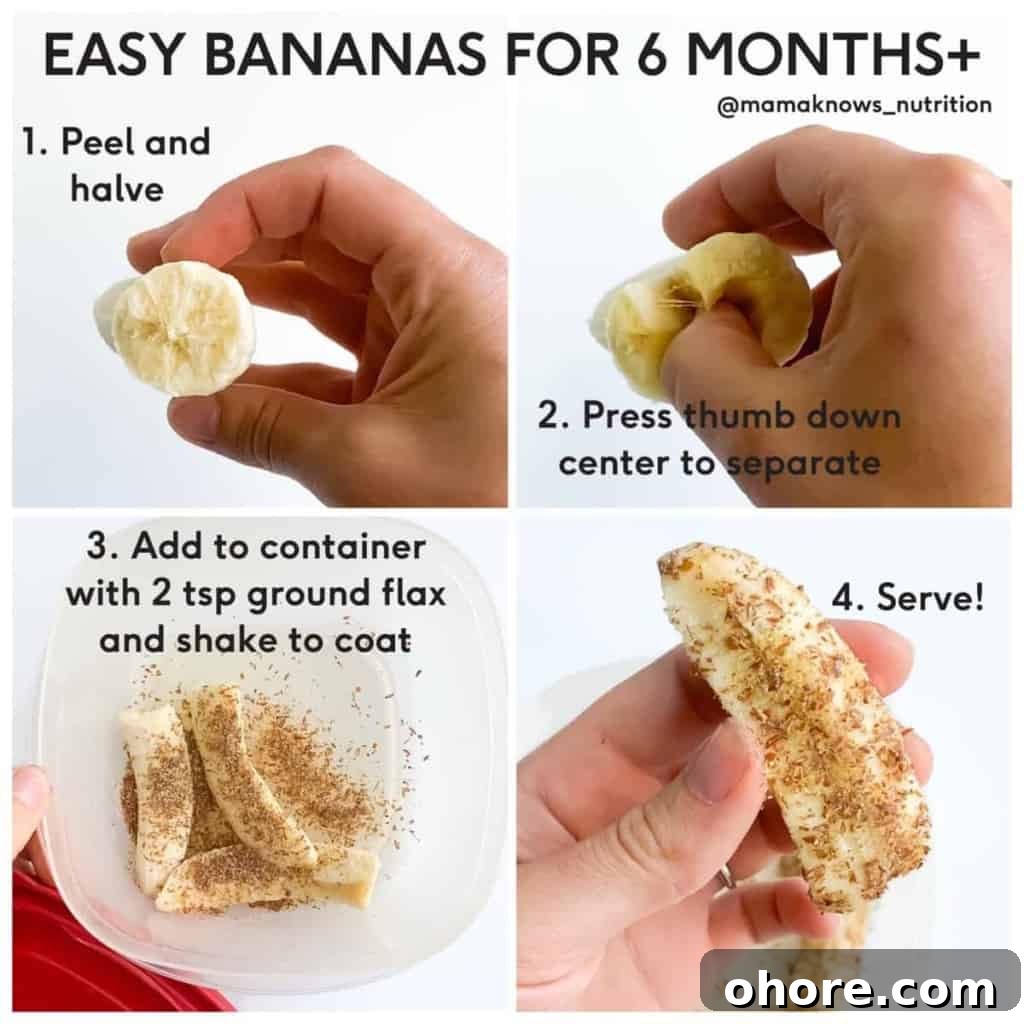
Avocado is a common and nutritious first food. There are many other simple first-food ideas in quick guides and resources for starting solids.
When can a baby pick up small pieces?
At about 6–7 months babies begin to use a raking motion to pick up objects with their fist. By around 9 months many develop the pincer grasp—using thumb and forefinger to pick up small pieces like a Cheerio. Fine motor skills then continue to improve, making self-feeding easier and more precise.
When can babies eat Cheerios?
Babies can typically handle Cheerios once they can bring the pieces to their mouth independently and have practiced with other soft finger foods. Cheerios dissolve relatively easily, so many infants can safely manage them around 8–9 months. Puffs dissolve even more readily, so starting with puffs can be a useful step before offering Cheerios.
It’s common for parents to feel cautious when moving beyond soft pieces—that hesitation is normal. Taking gradual steps and supervising closely helps build confidence for both caregiver and baby.
What type of Cheerios is best?
Original Cheerios (the plain oats variety) are the best choice for babies because they contain minimal added sugar. They are primarily whole grain oats and have only a small amount of added sugar per serving. Other varieties like Honey Nut, Multigrain, and flavored versions typically contain more added sugar and are not recommended for infants.
You can also look for other store-brand “O” cereals with low added sugar (under about 2 g per serving) as alternatives.
Do they need teeth to eat solids?
No. Babies don’t need teeth to eat many solid foods. Their gums are quite strong and can mash and dissolve soft foods. A simple test is to press a food between your tongue and the roof of your mouth—if it breaks down without teeth, it’s likely a suitable texture for baby.
Are there other easy foods like Cheerios they can have?
Yes. Nutrient-dense alternatives to plain cereal and puffs include fruit- and nut-based options that dissolve easily. Examples include:
- Freeze-dried fruit pieces (blueberries or strawberries) that dissolve quickly
- Dairy-free, sugar-free melt-style snacks made from fruit or plant-based ingredients
- Peanut butter–based puffs as a way to regularly expose babies to peanut protein (important for allergy prevention when introduced early)
- Grain-free or low-sugar puffs designed specifically for infants
What about other baby cereals?
Traditional baby rice cereal was once recommended because of low allergenicity, but current guidance supports early introduction of common allergens to reduce allergy risk. Rice cereal is low in nutrients, so there’s no need to rely on it for weeks or months. Baby oatmeal is a more nutritious option and is fine to include. Offer a variety of flavors and textures early on—it’s okay to introduce several new foods in a day and more than one food at a meal.
Guides that focus on safe introduction of solids can help reduce choking risk and make the transition smoother.
Can babies have toast?
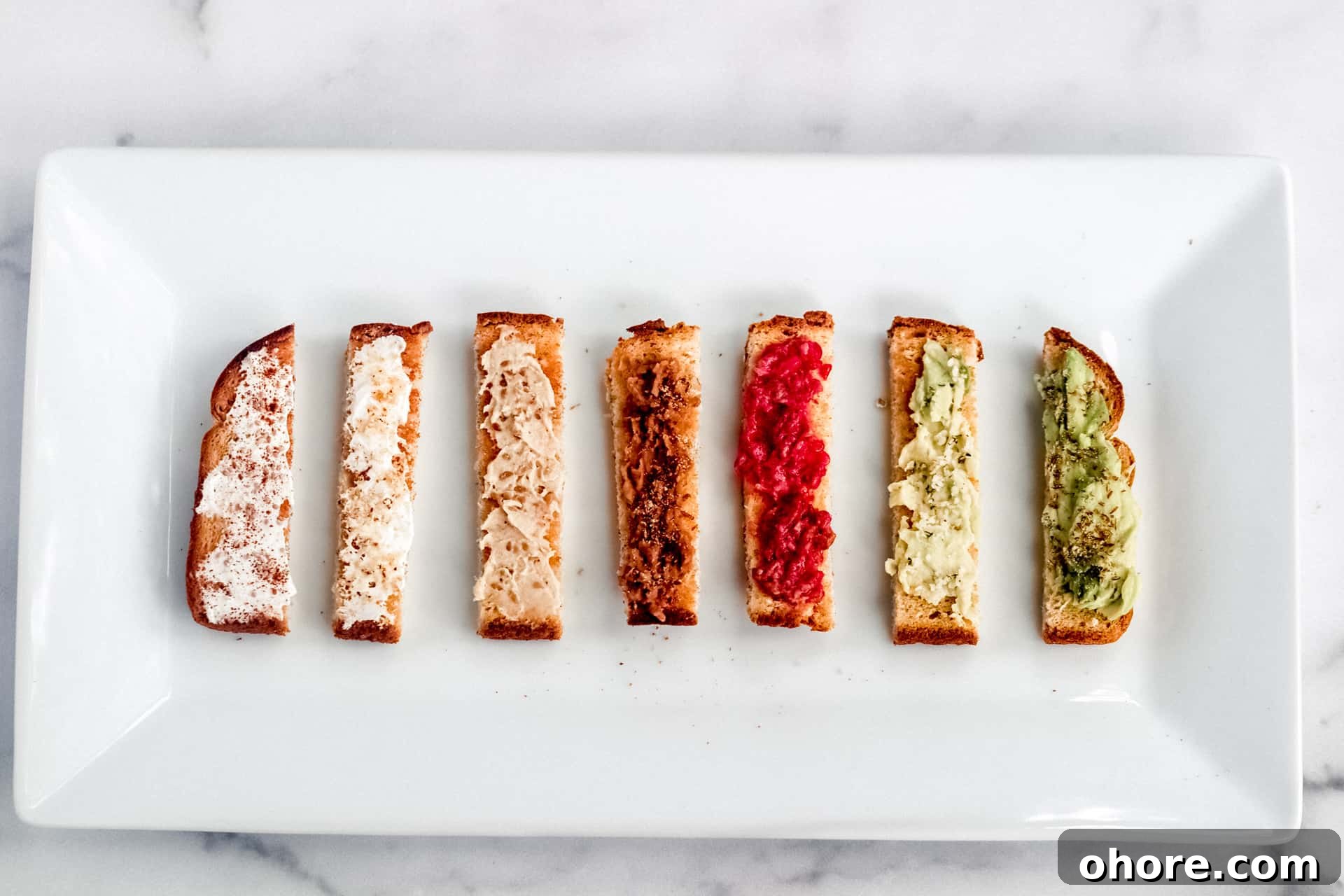
Yes. Toast can be a convenient base for nutrient-rich toppings that are soft enough for babies. Spread a thin layer of cottage cheese, plain yogurt, mashed soft beans, or a smooth nut butter to boost protein and calories. Be cautious with crusts and supervise while baby eats.
Important Safety Measures
All foods and small non-food objects can pose a choking risk. Always seat babies upright in a high chair and supervise closely during meals. Occasional gagging is a normal part of learning to eat; persistent gagging should prompt a discussion with your pediatrician.
Avoid hard, sticky, very chewy, or extremely crunchy foods. Cut finger foods to an appropriate size—about the size of a chickpea is a helpful guideline. Avoid serving whole grapes, hot dog rounds, whole baby carrots, or similar round and firm pieces that are high-risk choking hazards.